7 years ago I wrote one of my most popular blog posts: The Myth of the aging placenta, a lengthy article designed to support parents and birth professionals in understanding that the mainstream view that placentas “age” and stop functioning at the end of pregnancy isn’t based on logic or solid evidence.
Recently I was asked to be interviewed about this topic, something I’ve done a lot in the past. But when I listened to my body, it was a very clear no.
How I got there
I want to explain why I’ve moved on from this, and other topics.
4 years ago I stopped working as a doula. If you want to understand why I did that, you can read this article I wrote at the time.
After I stopped doula work, I was in a weird limbo for some time, and eventually something else showed itself, which led to the writing of my second book, The beat of your own drum.
As I stepped away from birth work, I started to see the landscape more clearly for what it was, because it isn’t always easy to see the water you swim in. I remember the realisation that, contrary to what I had been believing, the maternity care system wasn’t broken at all: it was functioning exactly like it was designed to function, to control women. That was a hard moment for me.
And then, after I navigated supporting my youngest child’s inability to function within mainstream education and the battle that ensued to get them the support they needed, it became clear that the pattern of control was not confined to maternity care: it was also there in the way we are told to parent, in childcare, in education, in healthcare, in the workplace, in politics…it was everywhere. And at every point it was designed to make people, and especially women, do as they are told, and never question things.
In the introduction of my The beat of your own drum, I wrote this:
“Since stepping away from doula work a couple of years ago, I’ve come to the stark realisation that not only is the current maternity care system beyond repair, but that the thread of disempowerment weaves through every stage of a woman’s life. Its pervasive narrative that begins in infancy, winds its way through our experiences of parenting, education and careers. This insidious message – that we are somehow ignorant of our own needs and should defer to those who ‘know better’ – isn’t confined to any one sphere. It permeates politics, the medical and education world and is woven into the very fabric of our society. From the moment we’re born, we’re subtly (and sometimes not so subtly) taught to doubt our own instincts, to question our inner wisdom. It’s as if society has conspired to whisper in our ears, “You don’t know what’s best for you.” This message echoes in the halls of schools, reverberates in workplaces and finds its way into the most intimate moments of our lives.
The result? A deep-seated, often unconscious belief that our own knowledge– especially when it comes to our bodies, our choices, our lives – is somehow inferior to the ‘experts’. This belief chips away at our autonomy, erodes our confidence in our own experiences and intuition. And it’s a belief that I’ve come to recognise as not just false, but deeply harmful to the wellbeing and empowerment of women everywhere.”
It was never about the science
And so this is why I’m no longer interested in debating the science behind whether placentas age or not-because it’s looking at the wrong problem. It’s a distraction.
As a doula, I always cautioned my clients against trying to argue their decisions by bringing scientific papers to meetings with healthcare professionals. Not because the papers were wrong, but because it was the wrong dynamic. They didn’t have to justify their decisions. And the health professionals would almost never be convinced by the papers anyway; they would just look for holes in the argument.
This is the same thing. Picking apart the science behind specific policies misses the point entirely. The same is true of debating the science behind ANY hospital policy. The main issue is control. You cannot oppose control by arguing with logic.
A system built on control isn’t interested in engaging in self introspection, it is only interested in doing what it’s designed to do: to manage women’s behaviour, under the false pretence of risk management. As Jane Hardwicke Collings says: modern maternity care is “Institutionalised acts of abuse and violence on women and babies masquerading as safety”.
In my 15 years in the birth world (I started training as an antenatal teacher and doula in 2008), it took me a good few years to understand that the people working within the system were victims of it too. As a scientist, I was flabbergasted when I encountered time and time again the lack of scientific curiosity in maternity care professionals. This was until I realised that the people who worked inside the system were actively discouraged from engaging in curiosity. It worked like a medieval church. Employees were expected to follow guidelines and hospital policies like if they were gospel. And if they engaged in questioning guidelines overtly, they were usually punished, or removed altogether.
So what can we do instead of arguing tiny details with authority figures who aren’t interested in questioning things? We focus on what we can control: ourselves and our power, which resides in our ability to listen to our inner wisdom.
We have spent a lifetime being taught to distrust ourselves. To defer to the expert, the system. Unlearning that is not a small thing. So how do we begin?
Enters the drum
This is where working with the drum offers a new way of being. I started drumming during births, instinctively, because something in me told me this would help women. Then the women for whom I had drummed all told me the drumming not only helped them manage the sensations of labour better, every single one of them told me it gave them their power back. You can download a PDF of the article I wrote about this in the International Journal of Birth and Parenting Education here.
Whilst writing my book I realised that birth was meant to be an altered state of consciousness, and that the reason modern maternity care actively prevents this from happening is because it’s very hard to control women who have experienced this. I explain this in greater details in my article, Forbidden trance, why medicine hijacks altered consciousness during birth.
You might think: What’s has such a hippy thing as a drum got to do with managin the pain of birth, or to do with power? You might even scoff. I get it, because I too, used to think it was bullshit. And yet the scientific evidence behind how drumming changes our brain, our physiology, our emotional wellbeing is so overwhelming that I had to write not one but two chapters solely dedicated to the science of drumming in my book, and I’m currently in the process of doing some research on how drumming supports women’s wellbeing with Prof Joyce Harper of UCL London.
Beyond birth, drumming offers something that most of us urgently need: a direct route back to our own inner voice.
Here is why it works: most of us live in our heads. We overthink, second-guess, and talk ourselves out of what we already know. Drumming shifts that. Within minutes it can move us from an overactive thinking state into a meditative state where the noise settles and the inner voice becomes audible again. And the beauty is that you don’t even have to believe in it for it to work.
This isn’t mystical. It’s how rhythm works on the nervous system, by entraining brain waves. This was already known in the 1960s. And it means that something ancient and simple can do what years of conditioning have made very difficult: help us trust ourselves again.
What I do now
My work has shifted. Where I once supported women through birth as a rite of passage, I hold a broader vision.
We are living in a time of profound imbalance. The world is burning, literally and metaphorically, because we have become so disconnected from nature, from community, from ourselves. We can no longer function within the patriarchal model our society is built on.
I believe that helping women find their way back to their own inner voice is not a small thing. It is a path toward a different world.
Drumming works like psychedelics, opening and rewiring the mind to a completely new way of thinking and seeing. And yet, it is legal, affordable, accessible, and the system has no fucking clue how dangerous it is. And I don’t think it will for many years.
It is dangerous because women who enter altered states of consciousness, access their inner voice and their power, and it makes them very difficult to control. People who experience these things do not do as they are told. They question things.
When women start drumming, and listening to the voice deep within, they can also imagine a new world, outside of the current system.
A world where belonging matters more than productivity. Where community is not optional but foundational. Where peace, nurturing, and mutual support are not ideals we aspire to but values to live by.
The drum is one of the oldest tools we have for this. It bypasses the thinking mind and speaks directly to something older in us. Something that remembers. When a woman picks up a drum and begins to play, she is not just making a sound. She is finding her voice, her rhythm, her power. She no longer needs someone to tell her what to do . She no longer abdicates authority. And it creates a ripple effect that attracts other women to do the same.
That is why I do this work. And that is why it matters now.
An invitation
I have started a movement called Women drumming for peace. It happens every Sunday night at 8PM UK time. You can just join by intending to, or if you want more direct connection, I hold 10 minutes of live stream for this in my Facebook group, The Women Drumkeepers Community.
For centuries, birthing women around the world have been supported through labour using traditional techniques that modern obstetrics is only beginning to rediscover. Among these, the rebozo—a traditional Mexican shawl—is one of the most versatile and effective tools for supporting physiological birth. As rates of medical interventions continue to rise globally, these ancient practices are more needed than ever because of their effectiveness in addressing common challenges during labour.
In this article, I explore the history, techniques, and growing research evidence behind the use of rebozo techniques during birth. As both a scientist and birth worker with over 15 years of experience, I have witnessed firsthand the remarkable effects these simple techniques can have, often transforming challenging labours and helping women avoid unnecessary interventions.
The rebozo’s effectiveness isn’t mystical; it’s based on sound biomechanical principles that facilitate optimal fetal positioning and maternal comfort. This article is both a personal journey and an evidence-based exploration of how a humble woven cloth can revolutionise birth support in modern settings
History & background
I feel it is important to start with a bit of history and background (and feel free to skip this and go straight to the analysis of the published rebozo research in the second part of this article if you prefer)
What is a rebozo
A rebozo is a handwoven shawl from Mexico, traditionally used as an item of clothing, for massage and support during pregnancy, labour, birth and the postpartum, as well as to carry babies.
What are rebozo techniques
Rebozo techniques are a mix of rocking, jiggling, and wrapping techniques, where the rebozo scarf is placed on specific areas around the body.
The techniques have 3 main aims:
To provide relaxation and comfort.
To support the baby to be in an optimal position for birth
To support moving out of a situation where labour is not progressing (caused by something in the woman’s body or the baby).
How are they used?
Rebozos have been used to support childbirth for hundreds of years, likely dating back to pre-Columbian Mesoamerica. The exact historical origins are unclear, but it became a versatile tool in the hands of midwives (parteras) in traditional Mexican cultures. Midwives used it for various purposes, such as aiding in fetal positioning, relieving labor discomfort, and offering emotional and physical support during birth.
There are tens of different rebozo techniques in existence. I personally know over 40 techniques, including several original techniques that were created by Mexican Midwife Naoli Vinaver.
Rebozo techniques have become known in the birth professional community because Mexican midwives started sharing them with an international audience.
Rebozo techniques have gained international recognition in recent decades as part of a broader revival of traditional and non-invasive childbirth techniques, because they have been shared with international audiences by Mexican midwives such as Naoli Vinaver and Angelina Martinez.
Midwives and doulas worldwide now incorporate rebozo techniques within their birth support, because they provide gentle yet incredibly effective alternatives to obstetric interventions, something that is more needed than ever before in the face of ever rising rates of induction of labour, and cesareans.
My story
I came to rebozo training out of frustration. During my first year as a doula, back in 2013, I witnessed many first time mothers have long labours lasting 30+ hours. At some point the woman would start to push, after a couple of hours of no baby, a midwife would do a vaginal exam and find the woman to be 6cm dilated with a “back to back” baby. Most of the time another exam later would reveal no further dilation. The midwife would then insist that the mother stops pushing, for fear of causing trauma to the cervix. The mother couldn’t stop pushing, by this time she was usually very tired and vulnerable, and the “lack of progress” aspect was very difficult to cope with. So an epidural was “offered”. She ended up in bed on her back. The baby could not rotate, and this was always followed by a trip to the theatre, with the baby being born by either forceps or a cesarean.
I became increasingly frustrated by this for two reasons; I felt frustrated on behalf of the mothers, because I knew that the intervention offered would only make things worse (how on earth is a baby taking a while to rotate in an optimal position for birth is supposed to be helped by making a woman lie on her back in bed?). And I also felt frustrated for myself, because this meant that I supported long, challenging births, that did not end up the way the mother wanted it, and also without me being able to support them when they needed me the most (my local hospital applied a strict one partner only rule in theatre-this is something I tried but failed to change, which never had anything to do with safety but with control-but this would be another blog post entirely).
I knew that there had to be another way, one that supported physiology and allowed women to remain in their power. That’s how I discovered rebozo techniques.
I started training in 2013, and trained with the following people:
Osteopath Teddy Brookes (he taught me what the techniques do to various joints and organs)
Francoise Freedman (One to one Rebozo techniques workshop & Birthlight workshop)
Jennifer Walker and Gail Tully (Spinning babies workshops, 2016 & 2017)
Doula Gena Kirby (Rebozo online course, 2017)
Midwife Molly O’Brien (Biomechanics for birth workshop 2019)
Midwife Naoli Vinaver (Rebozo techniques online from 2020 and 3 days in-person workshop 2022).
The women I’ve supported through pregnancy birth and the postpartum with rebozo techniques.
The professionals who have attended my rebozo workshops and rebozo for an easier birth online course (I started teaching these techniques in person in 2016 and online in 2018).
I also read the following books on rebozo techniques:
Le Rebozo: Bien l’utiliser au quotidien et dans sa vie professionnelle by Virginie Mandin
The rebozo technique unfolded by Mirjam de Keijzer , Thea Van Tuyl and Naoli Vinaver
The Easy Guide to Rebozo for Pregnancy and Birth: 3 simple techniques to increase your comfort by Nicola Nelson
Rebozo me mummy and Rebozo Basic book, by Gena Kirby.
“The rebozo is an extension of our hands, driven by our warmth, focus & intention” Naoli Vinaver
Witnessing Miracles
As soon as I started using rebozo techniques, I saw miracles happen. During pregnancy, the techniques often helped rotate a baby from OA to OP in a few minutes. But it was during birth that the effect was the most amazing. Where before the typical OP scenario I described above would unfold, this time, using the shaking the apples technique, combined with belly rocking during a few contractions would change things completely. I have more examples than I can count, but the three births below are the ones that stick to mind.
First time mother
After 24h of labour, the dreaded “stuck at 6cm” situation happened. The mother refused to transfer from the birth centre to the delivery unit for an epidural, but the midwife pushed hard for diamorphine to prevent the involuntary pushing (note: the issue here is with the belief within mainstream maternity care that this early pushing is harmful-this isn’t true, nor based on evidence Learn more about this in the book Birthing your baby-the second stage of labour, by Nadine Edwards). The mother was exhausted and agreed to the diamorphine. I explained that after receiving the drug she would probably fall asleep, and asked if she would be happy to try some rebozo (shaking the apples and belly sifting) whilst we waited for the midwife to prepare the drug. She agreed. Within 2 or 3 contractions I knew something had shifted because her contractions felt completely different, more powerful and productive. The midwife came back and explained that she needed to examine her again before administering the drug. She had gone from 6cm to fully dilated in less than 30 minutes. She never got the diamorphine and started to push and birthed her baby shortly after. To say that I was elated was an understatement.
Birth Centre VBAC
This mother had had the typical back to back labour scenario during her first labour, ending in a cesarean. SHe expressed that she was very worried about this happening again. When I joined them in labour at the birth centre, she was on her hands and knees, having the typical OP pattern of one long-contraction followed by one short contraction, and back pain during and between contractions. Knowing that letting her know that her baby might be OP would not feel good, I asked if I could try some rebozo techniques to ease her back pain. Within 3 contractions each of shaking the apples and belly sifting, her contractions were even and she no longer had back pain. She birthed her baby in the pool a few hours later.
In this home birth VBAC, after 4 long days of labour, the mother found herself with the “stuck at 6cm” scenario again (with no progress over a period of several hours), this time with an asynclitic baby as well. Having experienced this very scenario before and asked specifically what to do to Gail Tully at a Spinning Babies workshop, I knew exactly what to do. I helped the mother get into an inversion position, and shook the apples during 3 contractions. The mother said she felt the baby turn during the process, and when she came back up, her back was no longer hurting. She started to push soon afterwards, and had her baby in the pool in her lounge a couple of hours later. When the baby was born I was so exhausted and elated I cried and laughed at the same time.
The evidence behind rebozo techniques
Even though it is a traditional practice, there is nothing “woo” about the way rebozo techniques work. They simply work on the principles of biomechanics. When something is stuck, gently jiggling it will help it come unstuck. Jiggling helps move things when they are stuck as well as provide relaxation because it is impossible to stay tense when being jiggled.
Why there was so little research
Before I share this I feel it is important to address the elephant in the room: in our modern world, unless something is published about in a peer reviewed journal, people often believe that it is not “evidence based”. From this misguided viewpoint, people often assume that it is a proof that the untested techniques are ineffective. However, lack of evidence isn’t equal to lack of effectiveness, it just means that it hasn’t been studied!
There are three main reasons why rebozo techniques haven’t been extensively studied (until recently-read more below) :
1) We have an unconscious, biased, colonialist mindset which is very prevalent in modern science and medicine. This mindset assumes that what hasn’t come from modern science is both uneducated and ineffective. If the rebozo techniques were applied with a fancy piece of technology instead of with handwoven scarves, people’s reactions to it would be very different.
2) There is no financial gain in using rebozo techniques. Nobody is going to make big bucks from them and they cannot be patented.
3) There are tens of different techniques and each one would need to be studied individually. Dr Sara Wickham explains this well in her article, The evidence for rebozos.
“The rebozo evolved as a tool rather than being invented to solve a specific, measurable problem. But the difficulty in evaluating rebozo effectiveness isn’t a reflection of the inappropriateness of tools such as rebozos. It reflects the uneasy relationship that exists between the very rigid thinking and evaluation means of western medicine and the more fluid knowledge that exists within and around other healing modalities, such as traditional midwifery.”
Dr Sara Wickham
Rebozo techniques used in the research
In the research papers listed below, the 3 techniques most common techniques used are rocking the hips (lying down), shaking the apples, and bump rocking.
Hip Rocking (this can be done standing up or lying down)
This consists in gently rocking the hips of a pregnant woman with a rebozo. This can be used for comfort, to help labour start or to adjust fetal malposition by adding a tug in the direction desired.
This provides movement between the lower thoracic spine and the lumbar spine, and helps with the compression forces caused by postural changes during pregnancy. It provides a passive articulation, completely removes the pressure, especially in the thoraco-lumbar joint. This can have a positive impact on breathing too as it also releases the diaphragm. Using a faster movement makes it more of a fluid technique/viscera (which can direct movement into the uterus and its ligaments). Movement in the body causes pressure changes resulting in fluid pumping in and out of tissues and at cellular level, increased fluid movement leads to more healthy body tissues. Fascial tightness or looseness can govern the ability of fluid to move in and out.
Bump rocking
The mother is on her hands and knees, kneeling over a sofa or birth ball or chair, and the rebozo is wrapped around the bump and lifted gently, then rocked. As well as providing relaxation and comfort, this technique can help restore balance to the uterus and therefore the positioning of the baby during pregnancy or labour.
This loosens all the fascial tension: abdominal fascia and muscles, viscera (organ) ligaments, lumbar muscles and fascia. The vibration provides more movement into the uterus and uterine ligaments and helps to take the tension off it.
Shaking the apples
The woman is on her hands and knees (or standing up), kneeling over a sofa or birth ball or chair, and the rebozo is wrapped around her buttocks, applied tightly to the hip bones, and a jiggle is applied. This technique helps relax the pelvis ligaments and muscles (including the pelvic floor) and provide pain relief during contractions.
This provides a fluid vibration technique and helps with pelvic ligaments and to vibrate the viscera. The jostling can help resettle things and can encourage the baby to move.
Review of the research
Until recently there was almost no published evidence behind the effectiveness of rebozo techniques to support labour and birth.
The last time I wrote about this, there were literally 3 papers: one story of a midwife’s experience in using rebozo within the NHS, one that looked at how rebozo techniques could help turned OP babies (but this was a descriptive paper rather than an experimental one) , and one about the satisfaction of women receiving a rebozo intervention during labour.
However this has changed, with 11 new papers being published since 2022, and it is time for this evidence to be reviewed, so it can be shared, so we can help break the misguided belief that rebozo techniques are just not effective.
Below you will find a summary of all the published scientific papers (I have only included the papers in English) I have found about rebozo techniques, in chronological order, with a link to each of the papers, should you be a geek like me and want to read them.
Techniques : sifting, shaking the apples, and head massage.
Summary: The article explains what a rebozo is, how the author was introduced to rebozo techniques, and how she has incorporated them into her midwifery practice in the UK. The author shares her journey from being hesitant to use these techniques in hospital settings to eventually teaching them in active birth workshops. There is an emphasis on the fact that these techniques should be used appropriately and that any intervention is still an intervention.
Techniques: hip rocking lying down, shaking the apples, and belly sifting.
Summary and outcomes :The paper explains the background for the techniques and how to carry them out. The article outlines practical considerations for implementing rebozo techniques in a hospital setting. The paper includes a case study of a woman in labour with an OP baby for whom using the belly sifting techniques lead to a more comfortable and effective labour.
Techniques: Sifting and jiggling (both hips and belly, either standing up/ lying down or on hands and knees)
Summary and outcomes: Techniques were mostly used with suspected malposition. In more than half of the cases, the midwife answered that a change in the labour was observed after rebozo use. Most women reported positive bodily sensations, pain relief, and described the techniques as user-friendly and non-invasive. The techniques were well-received as a supportive measure during labour.
Study type: Multicenter randomised controlled trial
Location: Danemark
Number of women: 372 (women with a singleton breech presentation at 35-36 weeks pregnancy)
Techniques: Sifting and jiggling (both hips and belly, either standing up/ lying down or on hands and knees), combined with Spinning babies type positioning (open-knee
chest, breech tilt, and crawling on all fours).
Summary and outcomes: Techniques were mostly used with suspected malposition. Most women reported positive bodily sensations, pain relief, and described the techniques as user-friendly and non-invasive. The techniques were well-received as a supportive measure during labour.
This is the only published randomized controlled trial to date examining the effect of rebozo techniques as an adjunct to ECV. Contrary to expectations, the addition of rebozo techniques before ECV did not improve, but rather reduced, the likelihood of achieving a cephalic presentation at birth (51% vs 62%). The intervention was found to be safe, with no adverse events reported.
Note : the paper states that despite initial consent to refrain from performing rebozo, 32 women from the control group reported to have performed rebozo exercises at home or had consultations with a private provider outside the hospitals.
Techniques: Unspecified, but assumed to be the trio above, combined with light touch massage
Summary and outcomes: Before intervention, most women reported moderate (53.3%) or severe (20%) pain. Afterward, the majority experienced only mild pain (60%) or no pain (26.7%), with just 13.3% reporting moderate pain and none reporting severe pain. Every participant experienced pain reduction.
Techniques: Belly sifting, shaking the apples and double hip squeeze with rebozo
Summary and outcomes: Statistically significant reduction of both pain (a 20% reduction on average) and anxiety (average of 17%) in the rebozo group. The majority of the rebozo group reported a positive experience with labour, compared to the control group.
Summary and outcomes: The rebozo group had, on average, a shorter first stage of labour than the control group (measured by the number of women having a labour under 6h versus over 6h).
Techniques: not specified but assumed to be sifting and jiggling based on references, using either combined rebozo and hypnobirthing, or just hypnobirthing as a control group.
Summary and outcomes: The rebozo and hypnobirthing was associated with a shorter second stage of labour, and no difference in Agpar score.
Techniques: Shaking the apples or Zilgrei method (a breathing technique)
Summary and outcomes: Both the rebozo and Zilgrei interventions reduced the length of the first stage of labour, and the rebozo group had on average a shorter first stage of labour than in the Zilgrei group.
Techniques: Hip rocking lying down and shaking the apples with rebozo compared with oxytocin massage (light touch spine massage)
Summary and outcomes: Significant difference between the massage and rebozo group, with the rebozo group having a shorter average second stage of labour (58 min) than the massage group (67 min) .
Techniques: Rebozo techniques (not specified in the paper, but assumed to be the same as in the other papers) versus relaxing massage.
Summary and outcomes: Women in the rebozo group had lower pain levels during birth and greater birth satisfaction, as well as a shorter duration of labour.
Number of women: 1500 in prospective cohort (before the techniques were used) and 779 in retrospective cohort (after the techniques were used regularly)- 2279 in total
Techniques: Rebozo combined with Spinning babies techniques
Summary and outcomes: Reduction of persistence of OP position during labour. About 35% of babies in both groups started labour with an OP position. In the control group about 36% of those babies remained OP until birth. In the study group, only about 28% remained OP, a statistically significant reduction of 8%.
Summary of the research
Studies have been conducted in the USA, Egypt, Turkey, Indonesia, Italy, and Denmark.
Sample sizes are small (range from 14 to 2,279 women)
Techniques: Most studies used rebozo sifting (rocking/jiggling the pelvis or belly), sometimes combined with maternal postures or combined or compared to other pain-relief methods.
Outcomes:
Consistent findings of reduced perceived labour pain and improved birth satisfaction.
Some evidence of shorter labour and improved fetal positioning.
High acceptability and positive feedback from women using the technique.
No significant adverse outcomes reported.
Strength of the research:
Growing international interest with studies from diverse healthcare settings
Consistent positive findings for pain reduction and maternal satisfaction across multiple studies
Some larger sample sizes in more recent studies (notably the Italian study with 2,279 women)
Evolution from purely observational to experimental and randomized controlled designs
Limitations of the research:
Small sample size in most studies
Inconsistent methodology: Techniques vary significantly between studies, making direct comparison difficult
Many studies combine rebozo with other techniques (Massage, positions…) making isolating effects difficult
Limited blinding: Due to the nature of the intervention, proper blinding is challenging, increasing risk of bias
The current body of research evidence indicates that rebozo techniques are an effective, safe, and well-accepted non-pharmacological intervention for reducing labour pain, improving the birth experience, and potentially facilitating labour progress. The integration of rebozo techniques into modern maternity care is supported by both quantitative and qualitative evidence. Bigger and more rigorous studies would help to strengthen the evidence base and guide standardised practice.
Conclusion
As you can see, through both my personal account and emerging research, rebozo techniques offer a transformative approach to supporting physiological birth in an era of increasing medicalisation. The growing body of evidence, spanning multiple countries and methodologies, consistently shows benefits for pain reduction, maternal satisfaction, labour duration, and potentially fetal positioning.
What makes rebozo techniques particularly valuable is their simplicity, accessibility, and safety. Unlike many medical interventions, they work with the body’s natural physiological processes rather than overriding them. They empower both birthing women, their partners and supporters with practical tools that can be applied in virtually any birth setting, from hospitals to home births.
Ideally, there would need to be larger, more standardised studies. But we must also be careful not to fall into the trap of dismissing traditional wisdom simply because rebozo techniques haven’t been subjected to large double blind clinical trials. The absence of these does not indicate a lack of effectiveness : it reflects historical biases about which knowledge systems are deemed worthy of scientific attention. (And I also want to point out that a published review of UK maternity care guidelines showed that only 9 to 12% of them are based on this kind of evidence….)
As birth professionals and maternity care systems continue to seek balance between technology and physiological support, rebozo techniques are a powerful symbol of integration, honouring traditional wisdom while meeting contemporary standards for evidence-based care. Through this integration, my hope is that we may move closer to a model of birth that places the needs and experiences of birthing women at the centre.
If you want to learn more
I offer an online course called Rebozo for an easier birth, which contains written explanations of 25 rebozo techniques, with video tutorials and an explanation of what each techniques does to the body by an osteopath.
I offer one to one mentoring sessions. These sessions are ideal if you are a birth professional and want to extend your confidence and knowledge about how/when to use the techniques. I also offer a 3 months mentoring package for perinatal and holistic professionals. I create a space where your inner wisdom can emerge and be recognised. Through deep listening, embodied practices, and ritual, we’ll walk together on this path of discovery.
If you’d like me to come and teach these techniques to you, I am happy to offer training up to 2h from Cambridge, UK. I am especially keen to train more NHS midwives (I have already delivered several workshops within the NHS). Sharing these tools with healthcare providers creates powerful ripple effects, enhancing care for birthing families throughout the system. This allows us to re-integrate traditional wisdom into standard practice, benefiting both providers and the families they serve. Contact me to explore training opportunities for your team or unit.
Originally published in 2019, and updated in 2023 (see end of post for update)
I am a birth educator. I also have a PhD in physiology of reproduction, and 20 years of research experience and I have a confession to make: I get REALLY irate when women get given poor quality evidence (or no evidence at all) in support of a recommendation for inducing labour.
Whether I’m wearing my doula hat, or my scientist hat, I have to admit to getting really fed up with the growing epidemic of induction of labour for dubious reasons. This article is going to explore one of the most common stated reasons for induction of labour at term : The idea that labour should be induced before a certain point in pregnancy is reached because the ‘older’ placenta is not as efficient.
I want to clarify one thing before we start: I am NOT anti induction, when it is justified by solid medical evidence and when a woman weighs up the evidence and decides that the risk of continuing the pregnancy is higher than the risk of inducing labour (like for example pre-eclampsia or reduced fetal movements, or when there are psychological reasons for the woman to choose to be induced).
Over the last 15 years, between teaching antenatal classes and supporting women a a doula, I have heard and witnessed hundreds of stories of induction, the majority of which ended up being traumatic for the mother.
In my area of work we often refer to this as the “car crash”, which goes something like this: 3 days of prostaglandin induction (often made more stressful because the woman cannot be with her family for much of the time), followed by 24 hours of syntocinon and a caesarean at the end for either fetal distress or “failure to progress” (if only women were told : We’re really sorry, we didn’t manage to get you into labour with our drugs, so now the only option is a cesarean, maybe women wouldn’t feel as traumatised as when they are labelled a failure. Language matters).
I have listened and held women (and their partners) as they told me of their upset, their grief, their disbelief, lack of preparation and their feelings of failure.
One of the top quoted reasons for inducing women when pregnancy goes beyond 41 weeks is the idea that the placenta somehow stops working after pregnancy reaches a certain number of weeks.
The implication is that the placenta has a sell by date, like a piece of meat in the supermarket.
Recently yet more papers have been published claiming as a fact that placentas “age”, “degrade” and “fail” in older mothers and after a certain number of weeks of pregnancy.
I don’t normally like to write solely about science stuff these days. I like to write about how I feel about issues, and stick a few references in for people who want to read them. I spent 20 years doing scientific research in the academic and industry setting. I’ve moved on from this, I find most of the scientific world too dry and frankly, too blinkered.
But I’m losing patience with this so-called science causing so much damage to women.
I was very concerned a few weeks ago to watch a heated debate on social media about this topic; seeing many of my colleagues being gaslighted into believing the so-called science by people who claim to have all the answers, using jargon that they do not understand.
I believe that my scientific background combined with my experience as antenatal educator and doula gives me a unique, broad perspective on this topic.
So it’s time to put my scientific hat back on, analyse the papers in question, and offer my rather alternative interpretation of the current evidence, so that women and birth workers can make truly informed decisions, not one-sided ones based on the opinions of a few so-called experts whose views are based on their existing belief and opinion rather than a considered weighing-up of the evidence in this area.
I suggest you grab yourself a cup of tea, because this is going to be a long one!
Before I start I want to make an important point: even experts in a field often disagree with one another.
When I was working in the academic field during my PhD and 2 postdocs, working in a small niche area of biology research (clock genes, the genes which control rhythms, such as waking and sleeping), I published in fairly high ranking scientific papers, and became quickly perceived as an expert in my field. This led me to be invited as a guest speaker at conferences. I remember arguing until I was blue in the face about the interpretation of certain data with other experts in the field. It was done passionately, but it was entertaining, good humoured and fun. It happened because, as I will explain below, good scientists understand that science isn’t black and white.
The conversations I see on social media about this research aren’t like this. I see experts pretending to have all the answers, presenting themselves as the only ones who have all the knowledge, and frankly bamboozling and bullying non scientists with jargon.
In this particular case, they take the moral high ground, presenting themselves as saviours, as if stillbirths could be guaranteed to be prevented if only we induced all women at a certain number of weeks of pregnancy. They attack other people whose views are different, even when these people are equally or more qualified and hold PhDs in relevant fields.
This isn’t right. This harms women, and this harms the people who are supporting them too.
Even in science, things are never black and white. Nothing is guaranteed. There are many shades of grey. And pretending that things are this way isn’t science, it is delusion, and it is treating science as a dogma. If you want to find out more about this way of thinking, watch Cambridge scientist Dr Rupert Sheldrake’s banned TED talk on the topic.
Now that’s out of the way, back to the subject at hand: do placentas really age? Do they stop functioning correctly towards the end of pregnancy? And most importantly, are they solely responsible for the (let’s remember, tiny) rise in stillbirth towards the end of pregnancy? These are the assumptions that currently underpin our induction policies.
I feel I need to explain first that the risk of increased stillbirth at term, which is the main reason behind induction policy, is actually very small, rising from about 0.1% (1 in a 1000) at 40-41 weeks, to about 0.3% (3 in a 1000) at 42 weeks and about 0.5% (5 in a 1000) at 43 weeks (from this paper). The Cochrane review on induction beyond term , found that induction before 42 weeks reduced the risk of perinatal death from 0.3% to 0.03%, and that the authors of the review concluded that:
” A policy of labour induction compared with expectant management is associated with fewer perinatal deaths and fewer caesarean sections. Some infant morbidities such as meconium aspiration syndrome were also reduced with a policy of post-term labour induction although no significant differences in the rate of NICU admission were seen. However, the absolute risk of perinatal death is small. Women should be appropriately counselled in order to make an informed choice between scheduled induction for a post-term pregnancy or monitoring without induction (or delayed induction).”
In practice I almost never see the part highlighted in bold being presented as an option to women (read my previous blog about it here)
” A review of the available evidence indicates that the placenta does not undergo a true aging change during pregnancy. There is, in fact, no logical reason for believing that the placenta, which is a fetal organ, should age while the other fetal organs do not: the situation in which an individual organ ages within an organism that is not aged is one which does not occur in any biological system. The persisting belief in placental aging has been based on a confusion between morphological maturation and differentiation and aging, a failure to appreciate the functional resources of the organ, and an uncritical acceptance of the overly facile concept of “placental insufficiency” as a cause of increased perinatal mortality.”
Whilst I am fully aware that this paper is dated, having being published in 1997, and that much more research has been carried out since, I still believe his conclusion stands, the last sentence in particular.
I’ve heard many maternity care providers coerce expectant mothers to accept induction (remember, if you feel coerced, this isn’t consent) to the cries of “your placenta is failing right now”. Yet, even today, we do not know what accounts for the tiny rise in neonatal mortality after 40 weeks.
There seems to be a strong desire to prove the causality between placental aging and the increase in stillbirth and this desire is guided by a positive drive, which is to reduce stillbirth.
I empathise with this drive better than you know, because my younger brother was stillborn so I fully understand the devastating effects the death of a new baby has on a family.
But for the moment it’s just this: a theory.
And anyone can invent a theory about anything, but that doesn’t make it true.
We need to find a balance between the real statistics and women’s wishes for a positive birth experience. Because there is no doubt from the evidence in this area that, as long as mother and baby are well, it is better for all involved for labour to start on its own.
Because we mustn’t forget that inductions can be very traumatic for women and they can cause fetal distress in babies.
It’s quite simple, really: let the mothers decide what they want. And for this, they need real facts and numbers, not emotive coercion.
First, a bit of history
How did the whole concept of placental failure ever come about?
In her book “Inducing labour, making informed decisions” , Dr Sara Wickham explains that this theory came about first via the work of Ballantyne who described a wasting condition of the newborn in 1902, followed by Runge in 1958 who coined the term placental insufficiency. This became known as the Ballantyne-Runge syndrome, and led to the assumption of a relationship between the length of pregnancy and placental failure.
Dr Wickham goes on to explain that this theory has never been proven and that there is no evidence behind it. She explains that, while we know that some women’s placentas do sometimes fail to provide sufficient nutrients for their baby, this doesn’t mean that all women’s placentas routinely fail at a certain point in time. Further evidence of how much those who are challenging this theory really do care about the wellbeing of babies can be seen where Dr Wickham notes in her talks that the concern is not just about preventing unnecessary inductions for women who do not need them. By trying to make standardised, population-level recommendations (or a ‘one size fits all’ approach), we not only lead many women to have inductions that they do not need, but we may also fail to identify and help the small number of babies who truly do need help but at a point earlier than the current population-level cut-off point for induction.
Even in the papers claiming that there is a relationship between the length of pregnancy and the state of the placenta, when you dig into them, the conclusion reached is always that there is a “possible link” rather than a proven one.
And as I explained before, experts in the field do not agree with one another. In her book “Why induction matters“, Dr Rachel Reed quotes a couple of prominent papers, in particular a paper by Maiti et al which claims a direct link between placental aging and stillbirth, and a paper by Mazzurato et al ” Guidelines for the management of postterm pregnancy” which states that:
” Although the fetal, maternal and neonatal risks increase beyond 41 weeks, there is no conclusive evidence that prolongation of pregnancy, per se, is the major risk factor. Other specific risk factors for adverse outcomes have been identified, the most important of which are restricted fetal growth and fetal malformations. In order to prevent PT (Post term) and associated complications routine induction before 42 weeks has been proposed. There is no conclusive evidence that this policy improves fetal, maternal and neonatal outcomes as compared to expectant management.”
The nitty gritty of the arguments behind the aging placenta theory
Some of the technical terms I see bandied around a lot, and which bamboozle many of my colleagues because they do not understand their meaning, are morphological changes in the placenta such as apoptosis, autophagy, syncytial knots, reduction in telomere length and so on. In many papers, the authors claim that these are key features of aging, and observed in post-term placentas.
Yet there is more than one interpretation of these morphological changes so often lauded as proof of a placental ‘sell-by date’. They do not automatically mean that there is a problem. In many ways, our understanding of this area is in its infancy, and we would do better to take a position of scientific humility while we try to determine the meaning of these findings.
One of the most striking examples of a study which makes suggestions that aging of the placenta at term is a fait accompli is this study, with its sensational title: “Evidence that fetal death is associated with placental aging” by Maiti et al.
I find one of the statements in this paper extremely concerning:
” The known exponential increase in unexplained intrauterine death that occurs >38 weeks of gestation may therefore be a consequence of aging of the placenta and decreasing ability to adequately supply the increasing needs of the growing fetus. This knowledge may impact on obstetric practice to ensure infants are born before the placenta ages to the point of critical failure“
I fear such a statement will be used to pressure yet more women into being induced earlier, without any concerns for their personal decision or well being. And yet, as I will keep saying, this is still an unproven theory and different experts have different opinions about whether it is true or not. The medical profession is based on the tenet of ‘first do no harm’ and my understanding is that this means that we should not intervene unless we have good evidence to support doing so.
I will go through clarifying the differential interpretation of some of the changes observed in the placenta.
One of the changes they observe in this paper is decreased autophagy. Autophagy is a kind of cellular recycling system. The authors infer that these changes are a proof of aging. Yes, autophagy decrease has been associated with aging in some studies. Some other authors, however, are suggesting that the reduction in autophagy in the placenta may be part of the process that actually starts labour and so it may be a normal and important part of a physiological process rather than a sign that something is ‘wrong’.
Another placental change, quoted in the paper by Maiti cited above, is apoptosis (also known as programmed cell death). Apoptosis isn’t just a proof of senescence (aging). Apoptosis also happens during fetal development and during adolescence. It is as much as sign of change as it is a sign of ageing, and of course change and growth are very important at this time; the whole point of pregnancy is that the baby grows and changes
“The role of apoptosis in normal physiology is as significant as that of its counterpart, mitosis. It demonstrates a complementary but opposite role to mitosis and cell proliferation in the regulation of various cell populations. It is estimated that to maintain homeostasis in the adult human body, around 10 billion cells are made each day just to balance those dying by apoptosis (Renehan et al., 2001). And that number can increase significantly when there is increased apoptosis during normal development and aging or during disease.”
“Trophoblast apoptosis is a physiologic event in normal pregnancy, increases with advancing gestational age and is higher in post- term pregnancies and therefore is considered as a normal process in the development and ageing of the placenta.”
Again and again we see that the processes which are claimed by some to be evidence of aging could also be interpreted to be signs of the normal growth and change which are the very function of pregnancy.
Syncytial knots (SNAs, an accumulation of cell nuclei (the centre of cells) inside placenta cells) are another change quoted as a proof of ageing:
” SNAs may form to structurally reinforce the placenta and minimise damage from shear stresses or other mechanical sources, reduce the proportion of nuclei in highly active vasculo-syncytial membranes or result from cell turnover in the placenta without an apoptotic trigger or shedding process. Ultimately, a better understanding of the processes leading to SNA formation will give insight into their significance in pregnancy complications.”
So again, what we are seeing could just as well be an adaptation rather than a sign of ageing.
“Telomeres, the DNA–protein structures located at the ends of chromosomes, have been proposed to act as a biomarker of aging. In this review, the human evidence that telomere length is a biomarker of aging is evaluated. Although telomere length is implicated in cellular aging, the evidence suggesting telomere length is a biomarker of aging in humans is equivocal. More studies examining the relationships between telomere length and mortality and with measures that decline with “normal” aging in community samples are required. These studies would benefit from longitudinal measures of both telomere length and aging-related parameters.”
“Multiple studies have demonstrated that telomere length predicts mortality and that telomeres shorten with age. Although rarely acknowledged these associations do not dictate causality. In addition, the causality hypothesis assumes that there is a critical telomere length at which senescence is induced. This generates the prediction that variance in telomere length decreases with age. In contrast, using meta-analysis of human data, I find no such decline. Inferring the causal involvement of telomeres in aging from current knowledge is therefore speculative and could hinder scientific progress.”
What I find of particular interest, is that the authors of this paper also speculate that these cellular changes may form part of what starts labour:
” Placental senescence raises several important questions that need to be addressed experimentally. While fusion-induced senescence appears to be required for syncytiotrophoblast formation, it is likely that senescence of both fetal tissues and the maternal decidua play at least a part in determining timing of labour onset”
So what if what is seen in the placenta and interpreted as a sign of aging, are in fact normal, healthy changes, which are a sign of healthy growth and development and which may also play a role in the start of labour?
Another “older” sign of placental aging is calcifications. I’ve been guilty myself of believing people who told me it was a sign of ageing and it was good that the baby had been born because the placenta was “old”. I recently came across this blog (which has published references to back up all its claims):
“So while calcification of a placenta at term – around 39-42 weeks is part of the normal appearance of a full-term placenta and has no clinical significance in a healthy pregnancy, the appearance of significant calcification earlier in pregnancy is associated with risks to both the mother and baby. Just like we would be concerned about a very young person with wrinkles – it could be a sign of something significant happening (…) So, in essence, when a mother is healthy and full term, calcification and infarcts are normal features of a healthy placenta – just like your healthy mother has some wrinkles and a few grey hairs.
Yet another myth blown out of the water.
In conclusion, whilst there is evidence of cellular changes in the placenta throughout the course of pregnancy, there still isn’t any solid evidence to prove that it is indeed aging rather than an adaptation, or that these changes are truly accountable for the tiny rise in stillbirth when pregnancies continue beyond 42 weeks.
The concept of the aging placenta is still just that, a theory. Unfortunately the majority of the publications cited in this post fail to acknowledge this, and take this theory as proven.
What worries me even more, is that no consultation of women’s view on the induction process usually takes place, and these publications will form the basis of the new NICE guidelines, then the local hospital guidelines, and therefore more and more women will be induced needlessly, and have negative or traumatising experiences.
This is underpinning a current trend towards inducing women even earlier, at 39 weeks instead of the current 41 to 42 weeks.
I hope that reading this blog will help families and their supporters make informed decisions.
I also would like to encourage scientists and policy makers to stay curious about the wider picture and to engage more with pregnant women and their views on the induction process.
Update August 2023
Having reviewed more recent evidence since I published the blog in 2019, I still stand by what I wrote above. I cannot see anything in the more recent literature that has changed. What strikes is that all the research is looking at proving that placentas age, but no one is looking at it from another angle: the fact that it made simply be changes, a process of maturation, necessary as part of the birth process. This is a case of culture leading science. As Dr Sara Wickham says :
“our modern culture is not very tolerant of the concept of aging generally, especially in women, so it is not that surprising that we so easily accept the idea that the aging placenta is unwanted and problematic.”
“Given the close relationship between placental structure, cell processes and placental function these changes would be expected to lead to a reduction in placenta function. However, we have not been able to identify any studies which have examined this link.”
My review of the latest evidence led me to find a paper called Aging of the Placenta, published in the journal Aging in 2022. The paper contained the following paragraph :
“As gestation progresses, the placenta undergoes senescence. Generally, this process is necessary to detach the placenta from the uterine wall following parturition, eventually allowing blood vessels to close (to prevent haemorrhage) and the uterus to regain pre-pregnancy size and shape”
I researched this and found publications that show that the very processes that the publications that talk about aging describe: inflammation, apoptosis, may actually be part of the normal process the placentas need to do to detach.
Therefore my suggestion that what is interpreted as aging may be a normal physiological and maturation process now has some evidence behind it.
This also made me wonder: If we induce labour, may we be interfering with this maturation process, and would induction results in more difficulties birthing the placenta? Reading around this subject shows that induction of labour is a known risk factor for retained placenta.
Feel free to signup to receive my newsletters by using the signup form at the bottom of this page
A Note to Readers
Thank you for reading my article on The Myth of the Aging Placenta. While I’m passionate about sharing evidence-based information on this topic, please note that I cannot provide personalised support or respond to individual questions in the comments section.
For those seeking individualised guidance related to pregnancy and birth, whether you are pregnant or a birth professional, I offer individual mentoring sessions, as well as mentoring packages. During these sessions, I can offer more tailored information based on your specific situation.
Women sometimes get told that they cannot give birth at home with their first baby because they have an “untried pelvis”.
What if we told men they couldn’t have sex at home the first time because they have an “untried penis”
Just imagine a young couple going to see a health professional, to discuss their plan to have sex for the first time.
Doctor: Hello please come in, what can I help you with?
Couple: Hello, we have been together for a while now, and we feel ready to start having sex.
Doctor: That sounds about right, I will arrange for you to go to your local hospital.
Couple: Actually we were hoping to have sex at home
Doctor: At home!! For your first time?? This isn’t safe.
Couple : Why? It’s quite a natural thing isn’t it?
Doctor: Yes it’s a natural thing, but lots of things can go wrong, because you have an untried penis. When you’ve had sex at least once in hospital, and we know you can do it effectively and safely then we’re happy for you to have sex at home. But for your first time, it’s much safer to do it in the hospital
Couple: What can go wrong?
Doctor: Well we don’t know how long it will last, whether you’ll be able to get a strong enough erection, maintain it for long enough, that’s one thing. It can also be very strenuous for the two of you, so we will need to monitor your heart rate, temperature and blood pressure. People have heart attacks whilst having sex you know? And you are both nearly 25, the risk of heart attack doubles after 25. At least if you’re in the hospital there are doctors available to intervene quickly should anything bad happen.
Couple: This sounds very worrying, but we really don’t like hospitals, the environment is cold and clinical, it smells of disinfectant, whereas at home we have the right atmosphere, smells, and all the comfort that we need.
Doctor: Well you won’t need be there the whole time, you’ll get started at home anyway, we don’t really want you to come in until you’re past the established arousal stage. Plus it can be quite a messy affair, you don’t want to ruin your furniture, do you?
Couple: So we will have to travel to the hospital, like, in the middle of it? Won’t this disrupt things?
Doctor: A bit, especially if you come to the hospital too soon, before you have reached the established arousal stage. When you come in, an intimacy midwife will assess your arousal and the strength of your erection. If your erection isn’t big enough and you aren’t yet in the established arousal stage, we will send you home and tell you to come back later. But once you’re settled in the hospital, you should be able back into the swing of things quite quickly, especially as our staff is highly trained to support the intimacy process, and help you if you struggle. Also you need to know that nearly half of first time couples who are planning for home sex end up transferring to the Intimacy Unit anyway.
Couple: We’ve had a tour of the hospital and we really don’t like the Intimacy Unit. The rooms are tiny, the beds are high and narrow, there are only bright lights and thin paper curtains, and no en-suite bathrooms.
Doctor: well yes for your safety is paramount that we can see what you are doing, and access the bed quickly and easily, in case something goes wrong, you see. It’s also safer for you to be in the missionary position for that reason.
Couple: This really puts us off, and we’re worried we won’t be able to do it in there.
Doctor : Don’t worry if you fail to progress, we have a lot of technology at hand to help complete the process, like Viagra and penis substitutes.
I tell you what, since you’re both still kind of low risk, as long as you’re still under 25 by the time you have sex, we could let you go to our Natural Climax Centre, instead of the Intimacy Unit. It’s a home from home centre, with large rooms, double beds and mood lighting, and even one hot tub per room so you can get in the mood and relax. It looks more like a fancy B&B than a hospital! It’s staffed by experienced intimacy midwives, who are skilled in supporting physiological sex. So it will be just yourselves, a midwife, and a couple of reproductive students. They only use intermittent monitoring every 5 min during the established arousal phase. Of course if anything goes outside of the guidelines, we would suggest you transfer to the Intimacy Unit where we can monitor your heart rate continuously, as well as intervene with a penis substitute if you cannot finish by yourself. As I said before, as you have an untried penis, we don’t know which way it will go.
Couple: Regardless of the hospital location, we feel that having lots of people we don’t know watching us will be inhibiting. And we don’t want students!
Doctor: Oh don’t worry about that, all the staff are trained and completed used to it! They see it all the time, and you once you get back into the swing of things, you won’t be paying attention to what’s going on around you. Plus we are a teaching hospital, so we need to train our students.
Couple: We were also hoping to do it at a spontaneous time…
Doctor: Well yes, for low risk couples it’s ok to wait for sex to start spontaneously, but since you’re both nearly 25 your risk of heart attack is higher, so if we haven’t had sex by the time you are 25, we think it’s safer for you to come in at an agreed time so we can monitor your heart rate from the beginning, and intervene if needed. We start the process in the pre-intimacy ward, by giving you some Viagra orally, and if that doesn’t work we can give it to you via a drip which is more effective.
Couple: OK, doctor, we want to do what’s safest and not put ourselves in danger, so we will go for what you suggest.
Why did I write this?
Comparing childbirth to sex isn’t new.
The hormone that drives labour, Oxytocin, the hormone of love, is the same hormone that floods our system when we have fall in love or have sex, and because this hormone flows best in dark, private, unobserved conditions (think romantic diner atmosphere), it is generally understood that one needs a similar atmosphere to birth a baby that they needed to make the baby.
In the book “the function of the orgasms” Michel Odent wrote a “Dear John” wedding night preparation letter from a woman to her fiancé, where she talks about the wedding night educator she has been working with and the wedding night plan she has been writing.
There is a particularly clever satire video which depicts an Italian couple trying to conceive in an hospital, it’s called “The performance“. There is another one in English called “Push”.
I have this wonderful role play that was written by Jill Alderton & Jill Oliver, for a home Birth Conference. It depicts a couple going to see their GP because wanting to have sex at home. I have adapted and rewritten it with the untried penis scenario.
Reading an article in the press today triggered me to write this new analogy.
There was the following quote
” Why could Meghan not have a home birth?
Meghan’s reported decision to abandon her home birth could have been down to an number of factors, an expert claimed.
Consultant obstetrician and gynaecologist Peter Bowen-Simpkins, told the Mail: “When you have your first baby you essentially have an ‘untried pelvis’.
“You don’t know what’s going to happen when the body prepares for labour and birth.
“If a woman is on her second or subsequent baby and has had a normal delivery before then it’s likely there wouldn’t be any problem at all.
“But you don’t know that’s going to be the case until you have your first baby.”
I got very annoyed reading this, for several reasons.
First, because it’s yet another example of what is wrong with the current maternity care culture in this country. It’s a fear based culture, one that treats birth like an accident waiting to happen.
Second, because it’s a symbol of the patriarchal culture within the maternity system. Birth is a natural physiological function for women. For a male doctor to state “she has an untried pelvis” is implying that women cannot give birth well by default.
It’s a bit like saying to a man who is getting ready for his wedding night “Here’s a dildo, just in case you can’t get it up-no pressure”
Reading about the untried pelvis made me wonder what would happen if we told men who hadn’t yet had sex that they have an “untried penis”.
So I decided to write about this, just to illustrate how supportive it would feel for men if they were told this.
Now I need to give a disclaimer. I know birth and sex are different processes. I know that bad sex doesn’t have the same possible consequences as a birth that goes wrong.
I’ve also been a doula and birth educator for long enough (I started working in this field over 10 years ago) and seen enough births to know that nothing is ever black and white, and that things can go wrong. I’m not naive. And I’m not suggesting everybody should birth at home.
I am also a paid up member of the informed choices society so I am NEVER going to push homebirth on anybody, and I’m as likely to fiercely help a woman to have an elective cesarean if it is what’s right for her that I am to support a woman to birth at home despite “high risk” factors.
Also, language is important. The words we use can either inspire confidence (your labour is progressing really well) or cause anxiety and distress (you’re ONLY 3cm dilated).
This is why I dislike the expression “untried pelvis” so much. Because it implies that it won’t work. That we will let you “TRY”. It’s not very encouraging is it?
That’s why I wanted to make the analogy with the untried penis.
You probably have heard of a baby shower, but have you heard of mother blessing? It is a celebration and honouring of a woman’s transition into motherhood. A mother blessing is a celebration that takes place during pregnancy and which is designed to celebrate and support the mother and her upcoming birth and postpartum period. Contrary to a baby shower, where all the focus and presents are on the baby, a mother blessing places the mother at the centre of the attention and support. It is a gathering, usually of women, coming together to celebrate the expectant mother, to honour her and give her loving attention, good wishes and support for the birth and the postpartum period.
I wrote about this in the past but I want to expand and explain the process a bit more, as I have gained a lot more experience in running these rituals.
What happens during a mother blessing?
There is no prescriptive recipe. It is about having a gathering to celebrate the mother in a way that feels good for her. The most important aspect is that she feels loved and nurtured, and that the event is tailored to her needs. I used to think that mother blessings where always a hippy affair, but I have come to realize that, whilst they are powerful and spiritual in nature, it is not the way they look like that makes them special but rather it is the intention behind it and how people come together to hold it.
Offering mother blessings through the years has taught me a lot. For example I organized one for a mother who is Christian, and she was worried that the event would involve spiritual aspects that would be incompatible with her religion. I reassured her that this wouldn’t be the case and that we would make sure that what happened was in line with her beliefs.
A mother blessing is a gathering a friends and family of the mother. Here are some simple logistical aspects to think about:
Discuss the gathering with the mother
Plan the structure of the gathering, with a beginning, middle and end
Choose a venue and date
Invite the guests
Ask people to bring things to share such as reading a poem, or a singing a song, and meaningful gifts for the mother, and something to eat at the end
Run the event
Here are some of the things I like to do to make a mother blessing special:
Setting up the space
I like to make the space special with colourful fabrics, flowers, candles, and lovely smells and sounds, like a sanctuary. Be guided by what the mother likes and tailor the level of woo accordingly.
Starting the ceremony
I like to have a simple ritual to mark the beginning of the ceremony, such as smudging or ringing a bell. Start the process with a short sharing circle, for example, having everyone introducing themselves saying their name, the name of their mother and maternal grandmother (in my case: I am Sophie, daughter of Michelle and granddaughter of Jacqueline).
If it feels right, singing a short circle song can be lovely too. For example, I like the song The river is flowing.
The ceremony itself
Here are some simple ritual activities to build into the ceremony can involve:
Ask everyone to bring a bead to give to the mother. As each person presents her bead, they explain why they chose it, and what it represents. The beads get threaded on a string to make a necklace that the mother can wear or use like prayer beads during labour or the postpartum to remind herself of the circle of support around her.
Pass some wool or string around the circle and have everyone wrap it a couple of times around one of their wrists. Once everyone is bound by the thread, pass scissors around to cut it and have everyone knot the thread around their wrist or ankle and keep it until the baby has been born.
Gift a small candle (like a tealight) to everyone, and a bigger one to the mother. When the mother goes into labour, people will be notified (for example in a WhatsApp group) to light their candle and send love and good wishes for the birth.
Have guests read texts, poems or sing songs (some lovely examples here)
Do something nurturing for the mother, for example massaging her hands or feet.
Have people bring or pledge some gifts for the mother for the postpartum. For example vouchers for postnatal massage or closing the bones ceremony, postnatal doula vouchers, food delivery, feel good products like postnatal herbal baths or massage oils, promise to come and clean her house/hold her baby whilst she sleeps etc.
Have a final sharing circle at the end.
Finally, have some informal time afterwards to share food, some tea and cake (a groaning cake would be lovely) or a potluck meal. It is always lovely to have some informal chatting and eating time after the ceremony.
What are the advantages of having a mother blessing?
The main point of the mother blessing, besides making the mother feel loved and cherished, is to redirect the focus of the support towards the mother rather than the baby. Encouraging the mother to write a postnatal recovery plan, and/or using said plan to ask friends to provide pledges for the postartum is a good way to think ahead about what the mother might need after the birth (you can use my free postnatal recovery plan download as a template for this).
Beyond the mother herself I have found such ceremonies deeply moving for the facilitator and for all the people involved in the gathering. Western societies lack rituals to celebrate life transitions, and bringing this back into our culture is very powerful and meaningful. People often say that they had never taken part in something like this and how much they loved it, and wish they had one themselves.
I especially love to bring the whole process full circle, by bringing back the same group of people to honour the new mother a few weeks after the birth in a closing the bones ceremony.
In 2020 I have also participated in mother blessings over zoom. The process was the same e xcept that we sent cards and beads by post ahead of time. It was still very special and meaningful.
I’ve had so many positive experiences using rebozo techniques as a doula to support pregnancy, birth, the postpartum and beyond, I’m on a mission to pass on this skill to ask many people as possible.
Every technique is extremely simple to do, anybody can do it. Yet this humble tool provides an unparalleled a level of comfort and relaxation.
There are hundred of different things you can do with a rebozo (and it works with other shawls and scarves too). The techniques usually fall within a rocking or a wrapping technique.
Here I share 3 simple techniques you can use during pregnancy, birth, and the postpartum period
Pregnancy technique: Hip wrapping
During pregnancy the rebozo can be wrapped tightly around the hips to provide support to the pelvic girdle. The rebozo can be twisted and tucked at the front or at the back of the pelvis. Whether you are tying at the front or the back will have slightly different effects on the sacro-iliac joints. Try both version and be guided by the feedback fon what feels best.
Remember whilst this will provide support and comfort, this technique won’t ‘fix’ the underlying cause of the pain/discomfort and therefore won’t replace being treated by a skilled bodyworker (like an osteopath). In situations where pain is present, such as pelvic girdle pain (the Pelvic Partnership is an awesome resource), however it can provide support and comfort whilst awaiting treatment. It should be used mindfully, as a treatment, and not 24/7. You can also use the rebozo to hold an ice pack or a hot pack in place.
Wrapping the hips-supports and stretches the pelvic ligaments (the broad and the round ligament) and helps support weight from the bump on the abdominal muscles and fascia. Many women experience lower pelvic tension and discomfort and band like pain around the front of the pelvis during pregnancy. This technique may also help the ache or soreness in the genitals that can happen during to pregnancy. Wrapping from the back instead of the front provides a similar effect but might be better later on in pregnancy as it provides a broader contact, less pressure at the front and more opening at the back. Both techniques have an impact on the sacro-iliac joints by opening them in slightly different ways. The front tying opens the joints more posteriorally versus anteriorally for the back tying technique.
Rocking technique (for pregnancy and labour)
Jiggling the hips or abdomen (or any other part of the body) can relax tight ligaments and may help a baby rotate in pregnancy or labour more easily, as well as provide relaxation and comfort. Being rocked elicits a very primal feeling (reminding us of being in the womb) and it is very calming and soothing for anyone. It can help a pregnant or a birthing woman relax when she is tense or anxious. Generally, these techniques relax the body so that the baby is more likely to take a better position.
Here I show you how to rock the pelvis whilst standing up. This can also be done with the woman resting her back against a wall for support.
This provides movement between the lower thoracic spine and the lumbar spine, and helps with the compression forces caused by postural changes during pregnancy. It provides a passive articulation, completely removes the pressure, especially in the thoraco-lumbar joint. This can have a positive impact on breathing too as it also releases the diaphragm. Using a faster movement makes it more of a fluid technique/viscera (which can direct movement into the uterus and its ligaments) towards the front rather than the back. On the bump, faster movement again move the uterus rather than slower articulations.
Fluid health is about transition of fluids. Movement in the body causes pressure changes resulting in fluid pumping in and out of tissues and right down to the cellular level, increased fluid movement leads to more healthy body tissues. Fascial tightness or looseness (connective tissue) can govern the ability of fluid to move in and out.
Bump rocking on hand and knees
The woman is on her hands and knees, kneeling over a sofa or birth ball or chair, and the rebozo is wrapped around the bump and lifted gently prior to sifting. When lifting, ask for feedback from the woman so you can lift enough to take all of the weight of her bump from her spine. As well as providing relaxation and comfort, this technique can help restore balance to the uterus and with the positioning of the baby during pregnancy or labour.
This loosens all the fascial tension from the front to the back: abdominal fascia and muscles, viscera (organ) ligaments, lumbar muscles and fascia. The vibration provides more movement into the uterus and uterine ligaments and helps to take the tension off it.
All the techniques in this article are a taster version of my Rebozo for an easier birth course. The course contains over 25 techniques for pregnancy, birth and the postpartum.
I have also made this set of techniques available to download as a handy PDF, you can get it by scrolling to the bottom of the Rebozo for an easier birth course page.
Watch the video below, where I show examples of more techniques included in the course.
This article was written by midwife Jana Studelska, and originally published on the Mothering website. The original text is no longer available on the mothering website, so I have copied it here, as I like to share this text to my clients when they have reached their due date as it can help put soothing words on the complex feelings associated with waiting for birth.
“The last days of pregnancy are a distinct time of in between. It’s a tricky time for mothers, and these last few days are a biologic and psychological event.
She’s curled up on the couch, waiting, a ball of baby and emotions. A scrambled pile of books on pregnancy, labor, baby names, breastfeeding … not one more word can be absorbed. The birth supplies are loaded in a laundry basket, ready for action. The freezer is filled with meals, the car seat installed, the camera charged. It’s time to hurry up and wait. Not a comfortable place to be, but wholly necessary.
The last days of pregnancy — sometimes stretching to agonizing weeks — are a distinct place, time, event, stage. It is a time of in between. Neither here nor there. Your old self and your new self, balanced on the edge of a pregnancy. One foot in your old world, one foot in a new world.
Shouldn’t there be a word for this state of being, describing the time and place where mothers linger, waiting to be called forward?
Germans have a word, zwischen, which means between. I’ve co-opted that word for my own obstetrical uses. When I sense the discomfort and tension of late pregnancy in my clients, I suggest that they are now in The Time of Zwischen. The time of in between, where the opening begins. Giving it a name gives it dimension, an experience closer to wonder than endurance.
I tell these beautiful, round, swollen, weepy women to go with it and be okay there. Feel it, think it, don’t push it away. Write it down, sing really loudly when no one else is home, go commune with nature, or crawl into your own mama’s lap so she can rub your head until you feel better. I tell their men to let go of their worry; this is an early sign of labor. I encourage them to sequester themselves if they need space, to go out if they need distraction, to enjoy the last hours of this life-as-they-now-know-it. I try to give them permission to follow the instinctual gravitational pulls that are at work within them, just as real and necessary as labor.
The discomforts of late pregnancy are easy to Google: painful pelvis, squished bladder, swollen ankles, leaky nipples, weight unevenly distributed in a girth that makes scratching an itch at ankle level a feat of flexibility. “You might find yourself teary and exhausted,” says one website, “but your baby is coming soon!” Cheer up, sweetie, you’re having a baby. More messaging that what is going on is incidental and insignificant.
What we don’t have is reverence or relevance — or even a working understanding of the vulnerability and openness a woman experiences at this time. Our language and culture fails us. This surely explains why many women find this time so complicated and tricky. But whether we recognize it or not, these last days of pregnancy are a distinct biologic and psychological event, essential to the birth of a mother.
We don’t scientifically understand the complex hormones at play that loosen both her hips and her awareness. In fact, this uncomfortable time of aching is an early form of labor in which a woman begins opening her cervix and her soul. Someday, maybe we will be able to quantify this hormonal advance — the prolactin, oxytocin, cortisol, relaxin. But for now, it is still shrouded in mystery, and we know only how to measure thinning and dilation.
“You know that place between sleep and awake, the place where you can still remember dreaming? That’s where I’ll always love you, Peter Pan. That’s where I’ll be waiting.” -Tinkerbell
I believe that this is more than biological. It is spiritual. To give birth, whether at home in a birth tub with candles and family or in a surgical suite with machines and a neonatal team, a woman must go to the place between this world and the next, to that thin membrane between here and there. To the place where life comes from, to the mystery, in order to reach over to bring forth the child that is hers. The heroic tales of Odysseus are with us, each ordinary day. This round woman is not going into battle, but she is going to the edge of her being where every resource she has will be called on to assist in this journey.
We need time and space to prepare for that journey. And somewhere, deep inside us, at a primal level, our cells and hormones and mind and soul know this, and begin the work with or without our awareness.
I call out Zwischen in prenatals as a way of offering comfort and, also, as a way of offering protection. I see how simple it is to exploit and abuse this time. A scheduled induction is seductive, promising a sense of control. Fearful and confused family can trigger a crisis of confidence. We are not a culture that waits for anything, nor are we believers in normal birth; waiting for a baby can feel like insanity. Giving this a name points her toward listening and developing her own intuition. That, in turn, is a powerful training ground for motherhood.
Today, I am waiting for a lovely new mother named Allison to call me, to announce that her Zwischen is ended and labor has begun. I am in my own in between place, waiting. My opportunity to grow and open is a lovely gift she gives me, in choosing me to attend her birth.”
Consider induction of labour from 39+0 weeks in women with otherwise uncomplicated singleton pregnancies who are at a higher risk of complications associated with continued pregnancy (for example, BMI 30 kg/m2 23 or above, age 35 years or above, with a black, Asian or minority ethnic family background, or after assisted conception).
You read that right. The new guidelines propose that everyone whose body mass index is over 30, above 35 years old, who is black, brown or any non white background, who have conceived through IVF, should all be induced at 39 weeks of pregnancy. I couldn’t help but wonder: how many people does this leave, who do not fall in these categories?
I had a look at the office of national statistics, to check what percentage of the population these groups represent together. I haven’t been able to find detailed enough data to remove overlaps between the groups. However, I have found the following:
About 50% of pregnant women are classified as overweight or obese in the UK
Black, brown and ethnic minorities represent about 10% of the UK population
About 25% of babies born in the UK were conceived by IVF
About 25% of babies born in the UK are from mothers over 35
I know that some of these categories overlap, but I’m guessing that not many people will still fall within the “low-risk” people being “allowed” to go into labour naturally if this guideline passes at it is. Especially as, in my experience, few people question the “guidelines” and apply them as if they were the law.
Worryingly the rate of induction has already just gone through a major rise. Since March 2020 many trusts have seen steep rise in induction (and cesarean) rates. (this is easy to find in the infographics shared from various trust pages on social media). In my local trust, the induction rate has gone from being between 25 and 30% prior to March 2020 to 39% in May 2021. Doesn’t it feel extremely odd to you that nearly 40% of the population already needs to have their labour artificially started? Isn’t it possible that this rise wasn’t justified by evidence, but rather by a knee jerk reaction to the covid crisis?
If the above guideline goes ahead as it is, what rates of induction are we going to see? Are we headed towards in a situation where everyone has their labour induced? How is this logical? How is this balanced? Have we taken leave of our senses?
The draft guidelines are open for consultation until the 6th of July 2021. If you wish to comment, you are welcome to copy and paste some of my comments to issue your own reply to the NICE consultation. Just email InducingLabourUpdate@nice.org.uk
My name is Dr Sophie Messager. I am an ex biology research scientist turned doula and perinatal educator.
Over the last ten years in this role I have seen the rate of induction of labour in my local trust rise from 24% to 39% without an improvement in maternal or fetal outcomes.
What I have witnessed however, is that induction of labour often causes trauma for mothers and their partners. I have also witnessed time and time again that true informed decision rarely takes place because the majority of parents rarely get told what induction of labour entails (in primips often a 3 to 5 days process which ends up in a caesarean). They rarely get told that it is a choice (most get told “we’ll book you in for an induction”), and they also rarely get told of the risks that are involved in inducing labour (increased risk of caesarean birth and fetal distress amongst other things). I also see a lot of coercion in making sure people consent to having their labour induced, and in particular implying that the baby might die if they do not agree. I wrote in more details about it in this blog post.
Since March 2020, most hospitals trusts banned the access of partners to antenatal wards, only allowing them during established labour, I have witnessed women being induced for 5 days, alone in antenatal wards with no support from myself or their partners. This is dehumanising and traumatising for women and their partners.
Since March 2020, I have also seen rates of induction and caesarean rise by about 10% in many hospital trusts, with no evidence behind the change. In my local trust, the induction rates was 40% in May 2021, when it was between 25% and 30% prior to March 2020. Carrying out a survey of the rise of induction rates since 2020 across UK hospital trusts since March 2020, and the reasons behind them, and whether this rise improved outcomes or not would probably prove very informative. Surely the percentage of women who go into labour spontaneously has not decreased by 10% in less than a year?
I am worried that the people who are making the recommendation in the guidelines have no experience of supporting women and their partners in labour, and in particular, induced labour, or that if they do, they have no experience of what happens in the aftermath. Most health professionals only get to see people for a few days after birth, until they leave the hospital. Doulas and other private perinatal practitioners often support new families for weeks after birth, and they may be the only ones who truly understand how traumatising induction of labour can be, especially when the process hasn’t been communicated adequately ahead of time.
The draft guidelines state the following:
Consider induction of labour from 39+0 weeks in women with otherwise uncomplicated singleton pregnancies who are at a higher risk of complications associated with continued pregnancy (for example, BMI 30 kg/m2 23 or above, age 35 years or above, with a black, Asian or minority ethnic family background, or after assisted conception).
Yet the guidelines also state that “As there was no evidence to identify the optimal timing of induction in these groups, the committee made a research recommendation”.
I had a look at the office of national statistics, to check what percentage of the population these groups represent together. I haven’t been able to find detailed enough data to remove overlaps between the groups. However, I have found the following:
About 50% of pregnant women are classified as overweight or obese in the UK
Black, brown and ethnic minorities represent about 10% of the UK population
About 25% of babies born in the UK were conceived by IVF
About a quarter of all babies born in the UK are from mothers over 35
Which percentage of the population does this leaves that still falls within a low risk group? Has this been assessed as part of the drafting of the guideline?
If the draft guideline gets published as it is we are very likely to see a further rise in an already alarmingly high induction rate, and a concomitant rise in caesarean rate, as despite some flawed research claiming that induction of labour doesn’t increase caesarean rates, in practise (and according to some recent research), induction of labour usually leads to doubling of the rate of caesarean. See https://www.sciencedirect.com/science/article/abs/pii/S0301211521002463.
I am worried that we are headed for the same rates of caesarean as countries like Brazil or China (which are around 50%), without improvement in birth outcomes.
Experience and history (for example in the case of the Hannah breech birth trial) shows that when new guidelines like this one get published, they tend to get adopted widely without question within maternity care, and that, even when new evidence disproves the original results, it is very hard to get the system to change, because the belief about what is “normal” has become entrenched within maternity care.
The long term impact of a rise induction of labour on the health of the general population is this happens is greatly concerning. As concluded by the author of this study explains:
“IOL for non-medical reasons was associated with higher birth interventions, particularly in primiparous women, and more adverse maternal, neonatal and child outcomes for most variables assessed.“
More worryingly, there appears to have been no consultation of the interested party, i.e people having to undergo the actual induction of labour (women and their partners) in the drafting of this guideline.
I urge you to reconsider these guidelines, and in particular, ensure that a consultation of the experience of induction of labour for mothers and their partners takes place prior to any new recommendations being made. I would also like to see the long term physical and mental health implications for families and babies taken into account to balance the recommendation.
What if I told you that you always know what is right for you?
What if I told you that you do not need to outsource your wisdom, defer to other people, seek answers from outside sources, and that the answers, the real, true, optimal ones for you as a unique being, are already inside of you?
In my previous blog, I explained that you are the expert is what is right for you and I want to expand on the topic and go further, as well as present ways you can access your inner wisdom.
I believe that we are all born with inner wisdom and knowing and that we can originally access it easily. Babies and small children know what feels good and what doesn’t. They trust their inner compass. They express their bliss and displeasure loudly. It is very plain for all to see: when they are happy, their whole body is happy. When they are sad you can see it too.
But then, because we live in a society that expects us to obey and do as we are told, and because this is present at every level, whether it is parenting, education, or the corporate world, we slowly learn to ignore our inner knowing and trusts that authority figures know best what’s right for us. To be seen as lovable, acceptable, we slowly learn to fit within the constraints of what is seen as acceptable in our society. We learn to ignore what feels right, in favour of what is seen as right.
It can be hard to unlayer the learning of distrust of one’s instinct and to start accessing the inner voice inside. This is especially true when we enter an experience that is outside of our field of knowledge. And this is particularly true of the experience of pregnancy, birth and parenting. I see it a lot in my work as a doula. I see highly educated, intelligent individuals, who find it really hard to trust their instincts in the face of pressure from coercive maternity care policies.
The same is true when we become parents, and it can be tempting to choose to believe the opinion of so-called “experts” in parenting, rather than following one’s inner guidance. I wrote about this in my blog Why baby books and “experts” can really harm you after you have a baby . It is true for most new experiences in life, most choices, and most life transitions.
I see this being highlighted more than ever since the 2020 pandemic. There are so many conflicting pieces of information. Experts disagreeing with each other. Public health policies that treat people as a single entity and fail to take into account unique individual circumstances. Forever changing goalposts. Not knowing who and what to believe.
I am not saying that it isn’t worth consulting people who know more than you do about an area. But as I explained in my previous blog, they cannot make the decision for you, because they aren’t the ones who are going to live with the consequences of your decisions.
In navigating the perinatal period, and life changes, and for most of us in the current climate, learning to listen to our inner knowing can be a game changer, and bring out a sense of confidence and peace.
But how do you start to unlayer the belief that the answers always lie outside of yourself? How do you start listening to your inner voice if you have always let the opinion of others guide you?
There are many different ways to start accessing your inner wisdom. None of them is necessarily “right” or more powerful than the other. They are simply tools. The most important aspect is that you use one that works for you.
I have been on a massive journey myself to debunk what I thought I had to do. For example I use to believe I was shit at meditation because I thought you had to sit on a cushion in the lotus position, stare at a candle, and think of nothing. This cool little animated video went a long way in helping to undo this. It is surprising simple. All you need to do is have the intention to do so, and then start applying ways of accessing your own wisdom that work for you.
Here are some ideas to try to get you started. Remember, that, as with any new skills, the more you practice the better you become. After all, if you were going to run a marathon you wouldn’t expect to do it without training. Start small. Start with the method you feel most excited about.
Set an intention
The simplest way to access your inner wisdom is simply to set an intention to receive the guidance and see what happens.
Meditation
If trying meditation appeals to you, there are many apps, such as headspace (and plenty of others, some of which are free) around to guide you through the process in tiny, incremental steps. It doesn’t have to be a commitment to have 20 min a day, it could be as little as 5 min and still make a difference.
Checkout the one moment meditation video. https://www.youtube.com/watch?v=F6eFFCi12v8
Mouvement
Meditation does not even have to be a still process. One can meditate whilst walking, dancing, or other movement activities too. I am a fan of 5rhythms dancing (https://www.5rhythms.com/) and other conscious movement practices,These practises work much better for me than sitting still. I include my wild river swimming in my meditative practices.
When you feel stuck, try moving gently, or going for a walk. Bonus if you can get in nature, as it is extra grounding.
Grounding
Walking barefoot on the grass/ground is a super fast way to discharge stress and ground yourself. From a place of grounding it’s easier to access one’s inner voice.
Being in nature is generally grounding. I swim in the local river all year round and it is one of my favourite ways to de-stress and meditate.
Breathing
As with meditation, simply paying attention to your breath can help your mind quieten enough to hear the inner voice inside. Again there are many techniques available, but you already know how to breathe (after all you’ve been doing it all your life), and simply paying attention to your outbreath, and slowing it down slightly is all you need. Some meditation apps include breathing relaxation.
Heart centering
This is a quick and simple way to gain a more heart centered state. Breathe gently for a couple of minutes, then imagine that you are breathing in and out through the centre of your chest.
Some people find their inner voice communicate best with them via writing. Again it doesn’t have to be complicated. All you need is a notebook and a pen, and a commitment to start with free writing 5 min a day. One thing that can help is simply to state in your mind before you write “what does my inner voice/soul (or whatever other word resonates most with you) want to tell me today”.
Learning to recognise your body’s response
Did you know that you can use your body as a pendulum to get an answer to a question? Start by asking a very easy question, for example, do I like (favourite food or drink). Close your eyes and really feel inside your body. Feel your unique body’s response to the yes inside. Mine is a feeling of energy circulating in a circle around my heart, but yours might be completely different. Then ask yourself the same question for a food or drink you really dislike. Feel the response inside your body. Once you have familiarized yourself with your own response, you can start practicing with every day questions. The more you practice the easier it becomes.
Drumming
I cannot resist mentioning drumming because I love it. It is one of my preferred forms of meditation. You do not need to be musically trained. Research shows that drumming to a simple, repetitive, heartbeat like rhythms, causes the brain waves to slow down, which helps to get the mind chatter out of the way. I wrote a blog called Drum healing, bullshit? about my self-taught drumming journey. Over the last year I have drummed twice weekly in the local nature reserve first thing in the morning. It is the most nourishing spiritual practice for me.
You are the expert when it comes to making decisions in your life.
This is one of the most important points I share with my clients. I think it applies to many things outside of pregnancy and birth too!
It can be tempting to defer decisions to experts such as doctors and scientists, or anyone you perceive as an expert in the field, especially if you are trying to make a decision in a area of knowledge that is new to you.
But the role of the experts is advisory.
They cannot make the decision for you.
This doesn’t mean that the role of the experts isn’t valuable, because they can curate options that suit you when trying to oversee the whole picture might feel overwhelming.
I liken it to choosing dishes in a buffet. The role of the experts is to curate the buffet to your needs (for instance making sure there is no animal products if you are a vegetarian), but they cannot choose the dishes for you. You do.
Not the scientists, not the doctors, not the experts. You are unique with your own unique needs and you get to live with the decisions you make, not the experts. The role of the experts is to lay options in front of you. It doesn’t mean that the a coach isn’t valuable, because they can curate through a lot of options for you, but their job is to lay options in front of you and your job is to choose what’s right for you.
Because they aren’t the ones who are going to live with the consequences of the decision.

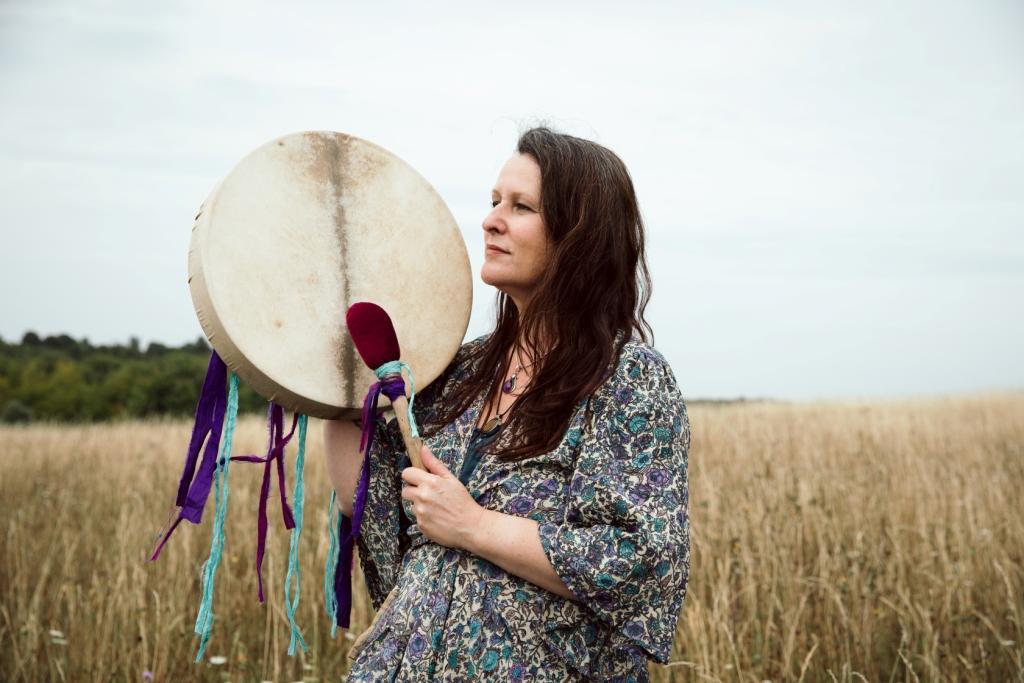
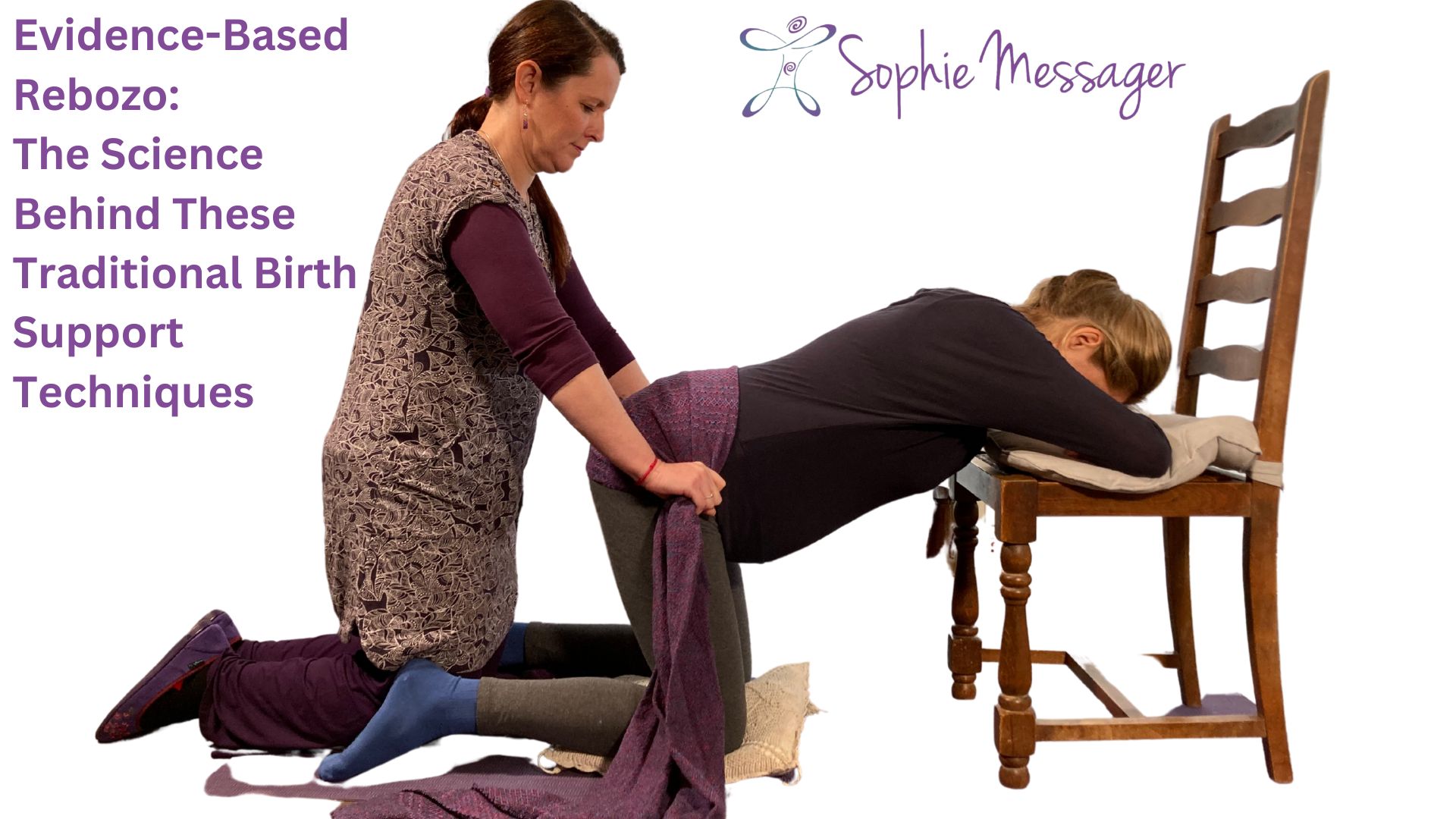






 I tell you what, since you’re both still kind of low risk, as long as you’re still under 25 by the time you have sex, we could let you go to our Natural Climax Centre, instead of the Intimacy Unit. It’s a home from home centre, with large rooms, double beds and mood lighting, and even one hot tub per room so you can get in the mood and relax. It looks more like a fancy B&B than a hospital! It’s staffed by experienced intimacy midwives, who are skilled in supporting physiological sex. So it will be just yourselves, a midwife, and a couple of reproductive students. They only use intermittent monitoring every 5 min during the established arousal phase. Of course if anything goes outside of the guidelines, we would suggest you transfer to the Intimacy Unit where we can monitor your heart rate continuously, as well as intervene with a penis substitute if you cannot finish by yourself. As I said before, as you have an untried penis, we don’t know which way it will go.