Tag: postnatal

  • How to normalise rest and support after birth

    How to normalise rest and support after birth

    One of the reasons I wrote my book, Why postnatal recovery matters, is because I got fed up of witnessing new mothers struggle and blame themselves for it.

    As a society we are blind to the needs of new mothers. When they struggle to adapt and adjust to the intense demands of new motherhood, new mothers tend to think that something is wrong with them, rather than placing the blame where it belongs, which is in a culture that totally fails to support them.

    We also place an abnormal value on independence, which means that new mothers often hide their struggle as feel shame and guilt, mistakenly believing that they are the only ones who struggle. It’s a vicious circle.

    Since I published my book, I have been heartened by positive stories about it. One second time mother in particular, said that because of the book she didn’t feel guilty letting other people look after her after the birth this time around. But there is still SO MUCH we need to do to change things. In my doula work I still witness new mothers blaming themselves for their struggles, and who feel guilty asking for help, who feel guilty at having me to supporting them even!

    We need to normalize rest and support after birth. I believe than when as little as 15% of new families get given the support they need, this will become. I need your help in doing this.

    Please share the message that resting and being looked after the birth isn’t selfish but that it is the norm for our species.

    Encourage expectant families to plan for the postpartum as well as the birth. It’s easier to have support when you put plans in place in advance.

    Play your part in the revolution by giving gifts that actually support the new family, like food delivery, vouchers for a postnatal doula or mother’s help, or voucher for a postnatal massage.

    The more people experience true nurturing postpartum, the closer we will get to the goal of transforming our culture.


    If you’d like to read more, I started blogging about this topic in 2016, and you can read more posts below:

    What new mothers really need

    Motherhood is fucking hard and you aren’t meant to be doing this on your own

    Have you heard of a postnatal plan?


  • Why postnatal recovery matters online course: what’s so special about it?

    Why postnatal recovery matters online course: what’s so special about it?

    My name is Sophie Messager and I am on a mission to revolutionise the postpartum.

    Everywhere around the world, there used to be a period of about a month after birth during which the new mother was taken care of completely. Family members, or members of the community, used to take charge of the household (chores, older kids etc), make sure the mother rested, provided specific nourishing foods, and well as give or organise some bodywork, such as postpartum binding or massage. It was a ubiquitous practice in every continent (and still is in many parts of the world today). In the Western world, we used to have this too in living memory.

    I do not know why we forgot, but I know that what we have isn’t adequate, and that our lack of understanding of this fundamental need puts new mothers under intense stress. As a doula I have been witnessing new mothers struggle alone, trying to meet their own needs and the intense needs of their newborn babies. Not only this, but there is also intense pressure for new mothers to ā€œgo back to normalā€ as fast as possible, which contributes to feelings of inadequacy and suffering. Because we have lost sight of the needs of new mothers, mothers often blame themselves for their suffering, wondering what is wrong with them, instead of seeing that their struggle is caused by a culture that fails to understand and support them.

    Having witnessed this struggle over 10 years, I have wanted to do something to change it.

    In 2020 I published a book called Why postnatal recovery matters, which is a call to action for a change towards a more nurturing postpartum. I wrote it because I wanted to provide knowledge and practical ideas for both new families and the people who support them.

    I decided to create an online course based on the principles highlighted in the book. The course provides more of a held experience, as it is divided into bite sized modules and lessons, and because in each module there is a video where I introduce the topic. I have also expanded on the knowledge I gathered over many years as a doula and perinatal educator, and expanded to write the book and which I have carried on acquiring since. As well as all the videos and text to read, one of the entirely new aspects that the course provides are questionnaires in each of the modules, which you can download and print. These questionnaires encourage you to explore your beliefs and your hopes and fears on each particular topic. You can then revisit the questionnaire after each module, to see if anything has changed. This provides a deep enquiry process which can be transformative.

    After completing this course you will have:

    • Learnt about traditional postpartum wisdom, and why we need it back
    • Gained a solid understanding of why preparing for the postpartum is essential
    • Learnt about your own beliefs and needs for the postpartum.
    • Learnt about the 4 pillars of the postpartum: Social support, rest, food and bodywork, and how to make them work for you
    • Learnt why hiring help, in particular a doula, can be a game changer
    • Learnt how to write a postnatal recovery plan
    • Learnt about preparing for every eventuality, including the unexpected

    By the end of this course, you will feel confident and armed with the tools your need to have a supportive the postpartum recovery, one that places the new mother firmly at the centre.

    This course is for you if you are an expectant or new parent, or if you are someone who supports expectant and new parents.

    What makes this course, and my approach, unique?

    • I have a unique blend of scientific, theoretical and practical experience. I was a biology research scientist for 20 year prior to reconverting to being a doula. What I bring is my unique signature mix of scientific, traditional, and practical knowledge.
    • The course is full of scientific references, with clickable links you can follow, and also full of traditional wisdom.
    • I have extracted the fundamental principles of what constitues a good postpartum recovery, looking at what is common between cultures rather than specific in each individual culture, and divided them into 4 simple principles which are easy to apply. This means that you can make it work for you and your unique family and circumstances.
    • The course is full of stories from my clients and from mothers and birth professionals, which help illustrate the topic with real life examples, as well as give you ideas that you may want to try.
    • As well as being a scientist, I have gained practical experience in many traditional techniques, such as wrapping the hips and belly, which I share with you in the course.
    • Having gained a DiPhe in antenatal education, as well as facilitating hundred of courses and workshops for expectant parents and birth professionals over 10 years, I know how present information in a way that allows students to learn easily and enjoyably.
    • The course has also been co-developed with a group of 85 birth professionals, so you know that the content have been tried and tested by experts in the field.


    What’s in the course?

    • The course is divided in 11 bite size Modules
      • Introduction
      • History
      • What we are missing
      • Social support
      • Rest
      • Food
      • Bodywork
      • Hiring help
      • Postnatal recovery plan
      • Special circumstances
      • Conclusion
    • Each module is presented with an introduction video, and a mix of text, pictures, videos, and questionnaires for optimal learning, and to investigate your own beliefs and revisit them as your go through the course.
    • The course includes access to a private Facebook group for sharing knowledge and ongoing support.

    FAQ:

    How long do I have to do the course?

    As long as you need. You get to do the course in your own time.

    In which order do I do the modules?

    As you prefer. You can go through the course in a linear fashion, or go straight to a particular module you are interested in.

    How much does it cost?

    £119

    How do I access the course?

    HereĀ 

  • A guide to postpartum recovery during lockdown

    Updated January 2021 (originally published in March 2020)

    The lockdown inspired me to write a mini emergency postnatal recovery plan, as for the foreseeing future, most new families in the UK (and in many other places in the world) are likely to be at home alone with their babies, with support from only a very limited number of persons (Doulas and certain therapists are still able to work during lockdown so do not hesitate to contact them for support).

    Traditional postpartum recovery the world around includes a period of at least a month during which the mother does nothing but rest and get to know her baby, whilst other people look after her, cook her warming, nourishing foods, massage and wrap her, and provide essential social support.

    After all, your body has done something truly amazing by growing and birthing a whole new person, so it makes sense that it needs some TLC to recover as well as possible. Even marathon runners take a couple of weeks off training after an event!

    I wrote my book, Why Postnatal Recovery Matters,Ā  to encourage a return of these practises to the Western world.

    But during lockdown I am aware that the full version of this isn’t going to be possible.

    So when we boil it down to its bare bones, what does a DIY postnatal recovery plan look like?

    The four pillars of postpartum recovery are social support, rest, food, and bodywork.

    Social support

    I hope you have a partner or another adult Ā with you. It is unlikely you’ll have much direct support from people face to face, however you can get a lot of online/virtual/video support. Many doulas have switched to offering remote support via phone or video calls (doulas offer postnatal support as well as birth support). You can find a doula here .

    There are online support groups, and you can find local or national ones on Facebook. If you search for something like mums in XXX (town’s name) or “XXX parents”, you’ll find groups, and from these groups and the people in them, you’ll be able to find out other sources of support. In fact the pandemic has seen the creation many new local support groups created to help support vulnerable people, so help is paradoxically easier to find than it was before. There are are also some apps such as Mush or Peanut which are designed to help mums to connect with other mums.

    Rest:

    Aim to stay in bed for a few days, or if being in bed drives you crazy, or if this isn’t possible, around the bed or the sofa as much as you can. Try to take at least one nap a day (early afternoon is the time that most people find that comes naturally), or if you can, a couple of naps a day, sleeping when the baby is sleeping. Even a 20 min power nap can make a world of difference. Try to go to bed earlier than you normally would a few times a week. If you cannot sleep, try to lie down and rest (some mums find it easier to drop off if they listen to a guided meditation. There are plenty of free apps for that). If you’re alone and have other kids to look after, drop your standard for a while and have lazy days around the sofa, making free use of screen entertainment.

    Food:

    If you can, batch cook and freeze ahead of time before the birth. Ideally you’ll want to have a mix of sources for food, from self prep, to food prepped for you by friends and neighbours, to food deliveries. You could organise a meal train or better still ask a kindly neighbour or friend to organise one for you (or use this website https://www.mealtrain.com/). Since there are many free support groups online now, including street whasapp group (why not start one if there isn’t one in your street yet),it that it might be easier than before to get the support.

    There are companies such as cook that deliver good quality frozen meals that you can just stick in the oven like lasagna (https://www.cookfood.net/). I am seeing more local delivery initiatives before so I’m hopeful that you’ll find them locally. Some local shops offering delivery services. As well as fresh food, get some easy to eat, stock on non perishable snacks if you can.

    Bodywork

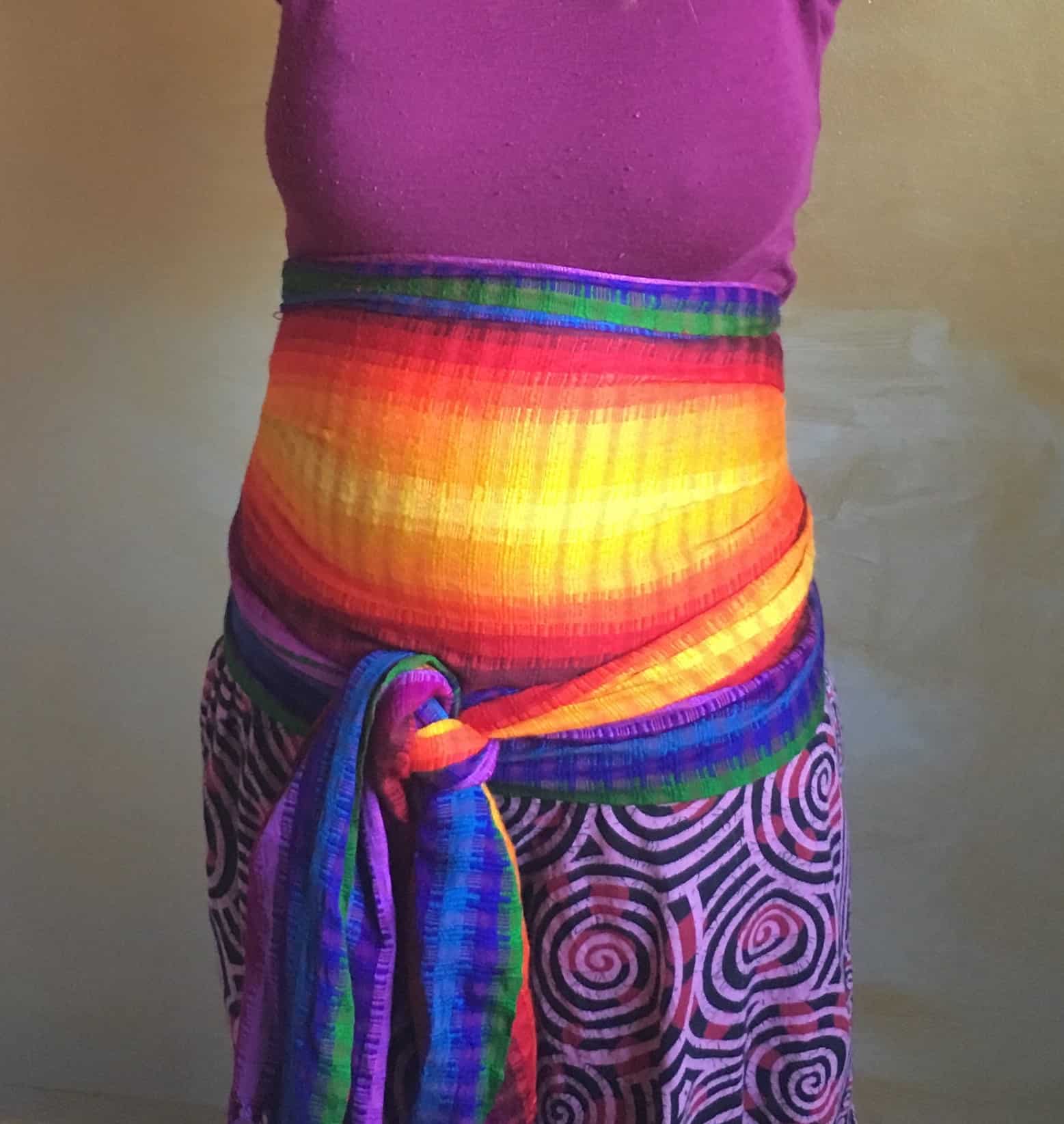
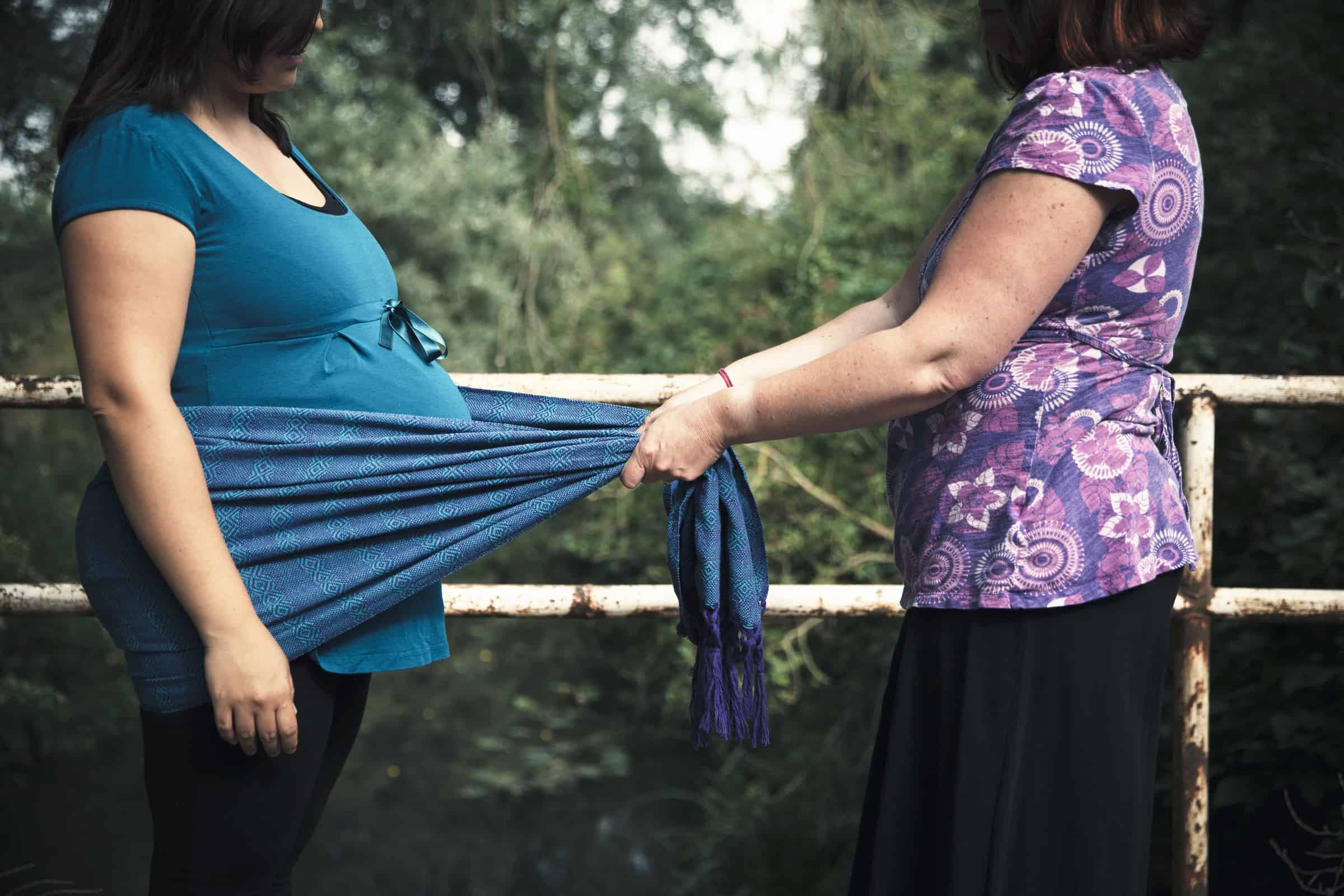
    Another ubiquitous practise is to massage and wrap the abdomen and/or the pelvis of the new mother. It is trickier than before as access to massage therapists is limited, however, such therapists are still allowed to practise when the clinical need is deemed sufficient (see guidance here https://www.fht.org.uk/news-item/fht-statement-on-coronavirus-covid-19). Manual therapists such as osteopaths, chiropractors, and physiotherapists are still open. There are things you can do for yourself, such a giving your lower abdomen a gentle massage, and wrapping your pelvis and/or abdomen with a scarf or a velcro belt. I’ve written a blog about how to do this, complete with some tutorials.


    Get yourself a sling or baby carrier. This will allow you to meet your baby’s needs for closeness whilst being able to relax and still have your arms available to fix yourself a snack or a meal. Carrying matters has just published a blog about babywearing during the pandemic, and they also run the sling pages directory (Babywearing consultants are able to support you remotely).

    Try and plan as much as possible whilst pregnant so you have support in place after the birth.

    I’ve made a free postnatal recovery plan PDF to download with prompts. You can find it here.

    If this inspires you and you’d like to find out more, you can buy a signed copy of my book, Why postnatal recovery matters, here, or find out more about my online courses, or the one to one sessions I offer.

  • Stretched between gratitude and grief. A review of 2020.

    Stretched between gratitude and grief. A review of 2020.

    At the end of each year I write a review of my year. I find it a helpful exercise to reflect. This year it feels more important than ever. I am doing it for myself, and I also hope it may inspire others who read it. Despite my being told that I do a lot of stuff, until I write it all down I tend to mostly focus on what I am not doing.

    I choose the title of being stretched between gratitude and grief because this has been a year of extremes on many levels, and that is how it has felt for me.

    I have this amazing book about grief called The Wild Edge of Sorrow. In his book, author Francis Weller explains that :

    “Sorrow shakes us and breaks us open to depths of soul we could not imagine. Grief offers a wild alchemyĀ that transmutes suffering into fertile ground. We are made real and tangible by theĀ experience of sorrow, adding substance and weight to our world. We are stripped of excess and revealed as human in our times of grief. In a very real way grief ripens us, pullsĀ up from the depths of our souls what is most authentic in our beings”.

    I started 2020 in a state of deep grief, due to a crisis that had happened in the summer of 2019. I was still seeing a therapist, and still on antidepressants. I was desperately trying to “fix” myself out of the darkness. Back then I could not have imagined how much personal growth and joy this year would bring me, despite the challenges that it brought.

    A bunch of things happened between January and lockdown that contributed to lifting me out of this state. I finished doing the case studies for my Reiki Drum teacher training, and managed to attend the actual training (despite the looming lockdown and a flat tyre). I had a family constellation session (the 4th one since summer 2019), and I had a 3h long massage and healing session with Claire at In well being somatic massage, all of which helped shift what had happened Ā out of my body. But the biggest change was oddly brought by the lockdown itself.

    As the announcement of lockdown loomed, I spent 3 days reading the news constantly. My anxiety skyrocketed as I started to imagine all sorts of worse case scenarios. I’m super grateful that a friend made me aware of a zoom workshop based on the work of Byron Katie, on the topic of anxiety during the pandemic. During the workshop, Cambridge coach Corrina Gordon-Barnes led us through an enquiry about our fear. Ā I had partially read Byron Katie’s book, Loving what is, before, but I had taken the questions at face value, and not got that they weren’t actual intellectual questions, but rather a method of self enquiry. The effect of this for me was extraordinary, and it moved me instantly out of my fear and anxiety into a state of peace. You can watch the video of this workshop, called Peace during a pandemic, here. I know it sounds too good to be true but the difference attending this workshop made to me was really night and day. In fact I found it so transformative that I attended another one and signed up for an online course around the Work and parenting later in the year.

    I’d be lying if I pretended that I didn’t drop back into anxiety at times. There were several moments during the year where I felt consumed by anxiety and anger about the state of the world, the unbelievable changes that were happening all around us, and projections into a bleak and scary future. When that happened, being in nature or dancing always helped bringing me back into my body in the now. It was an interesting realisation to find that even if the circumstances didn’t change, my mindset (or should say my heartset) made all the difference. This year I really learnt the meaning of staying into my business and accepting what I can and cannot change.

    The gift of time during lockdown

    Oddly, lockdown turned out to be mostly positive for me. As the first few days happened, I started taking my children for a daily walk in the neighbourhood, in a bid to keep them healthy. I felt annoyed and grumpy to be restricted to visiting the same boring spot everyday.

    A few weeks before lockdown I had started a gratitude practise called 111 happy days. So I decided to switch this to something called Gratitude in a Pandemic, which I did for 16 weeks. I chose to share my gratitude practise on Facebook to keep myself accountable. Every day or so I’d share, along with pictures, the stuff I felt grateful for. This is the first time in my life that I did this regularly and the first time I found out how effective it was. I started noticing a lot of things to be grateful for that I had never been even thought about before.

    It is said that where the attention goes, energy flows. This proved so true for me because not only this helped me shift my mindset towards more positive way of looking at the world. Because I shared on Facebook, friends pointed out how lucky I was to have such open spaces on my doorstep, and soon I stopped seeing the local nature reserves as boring places, but started to appreciate their beauty. I hadn’t expected this but a lot of people also told me they found my posts inspiring.

    Other magical stuff happened. As I took daily walks with my kids, whilst at first they were reluctant, they came to look forward to it, asking during lunch at what time we would go. Because of these walks and the forced slower pace of life, we spent more time together than we did before. We often had deep meaningful conversations during these walks. I also noticed that my kids also spent more time talking to each other. I noticed that the local nature reserve was actually a very beautiful place, that we were lucky to have it so close, and that it looked different every day, as nature grew and unfolded during Spring. We saw cygnets being born and then we saw them grow. The weather was unusually nice which made it all the more pleasant.

    It wasn’t all pink fluffy unicorns. Some of those walks were challenging, some days my kids were grumpy or quarrelled etc. One major source of frustration was navigating achieving balance for our kids between home learning and screen time whilst both myself and my husband worked. This also meant having complex conversations with my husband who had set up his home office in the lounge, whilst I was upstairs always the one the kids came to for school work help! In the midst of this, I felt utterly grateful that my children were older (10 and 14)Ā  and fairly self sufficient. I cannot imagine how I would have coped with the lockdown with a toddler and a preschooler. I saw the challenges some of my friends with younger kids went through, trying to work (some of them single parents) whilst meeting the needs of their children. They have my utter respect and admiration.

    The other major change that the forced slow down brought by lockdown brought me was that I became aware that I had been pressuring myself to be “productive” all the time. I thought I had come a long way from this already, starting with the coaching work I’d done with Bonny Chmelik Ā a couple of years ago (which led to my year round river swimming habit), but as the pressure eased for so long, I started to feel very appreciative of the slower pace of the day, and feel much happier and more relaxed for it. I spent more time doing activities like baking, gathering herbs and making stuff with them like bundles and oils etc, because I felt I had the time. It was no nice to enjoy these whilst not feeling rushed.Ā I remember one afternoon as I relaxed in the hammock in my garden, it dawned on me that I wasn’t feeling guilty of not working. I had several defining moments like this one, for instance one morning I ran through the local nature reserve and stopped on the riverside to watch the water and meditate, a voice in my head told me I should be getting back to work. I started to realise how much pressure I was putting on myself Ā to be productive all the time, and I hadn’t even been aware of it.

    Two other practises really helped me slow down and connect with nature and myself: drumming and dancing (as well as my previously existing practise of year round wild swimming). In November 2019 I committed to train to become a Reiki Drum teacher. This means I had to run 24 case studies in 2 months. I managed to finish and attended the training. I never got to teach it in 2020 as I had intended, but the benefits for me personally went beyond my expectations. In February I started running monthly drumming circles in Cambridge. I had assumed I’d get a handful of friends, but both times around 14 people attended, most of which I didn’t even know. Those drum circles were magical. During lockdown I carried on running them online, then ran them to outdoors when it became possible again.

    By April I felt well enough to come off the antidepressants.

    In May I turned 50. Whilst I was upset that I couldn’t see my family that day, in the grand scheme of things, it didn’t feel that important, and I also felt grateful that I did not mind so much.Ā  I started the day drumming in the woods, I went for 2 swims at my favourite spots, had a wonderful takeaway Chinese feast for diner and an enormous chocolate keto cake handmade and delivered by my lovely friend Alexa. I finished the day with party on Zoom that night and this meant that friends and family from Norway, the USA, France and Germany were able to join me, and this wouldn’t have been possible if it had been face to face. The party included a 5rhythm dance session led by the wonderful Ruth Hirst. Many of my friends had never tried this type of dance and where hooked instantly.

    The day I turned 50 I also started the day drumming in the woods at the local nature reserve with 2 other women. I have been doing this bi-weekly since. It’s a deeply spiritual, yet simple, practise that I love, in the connection with others, with nature and with myself that it gives me.

    In October 2019 I had joined Cambsdance , which is a conscious dance community in Cambridge. They host various teachers who run a range of conscious dancing classes from different styles ( 5Rhythms, Freedom dance, andĀ  open floor). I remember being amazed when I first went as I thought we were going to be taught steps! The first night I had one mind blowing moment after the other: I saw how my clubbing yearsĀ  had made me associate dancing with seduction and showing off, I found out that I could move my body in much better ways in my late 40s than in my 20s (because I inhabit my body more, but also because I care much less about what others think). I went home elated.

    This type of dancing is nothing like you may have experienced clubbing. There is no self consciousness, no judging, no “performance”. It’s simply a group of people who get together to move like their bodies want to. Jewel Mathieson’s sum “We have come to be danced” sums it up. This practise proved transformative for me whilst I was in the midst of a personal crisis. I discovered that this form of self-connection suits me better than being still. That I can move through feelings in minutes whilst moving my body through music, in what would take me 20 min or more of meditation.

    I attended the Friday night dance every week from October to March. When lockdown happened we carried on dancing with sessions run on zoom. I carried attending the sessions religiously during that time. I even signed up to an ongoing small group work with Freedom Dance teacher Alex Svoboda. I was dubious as to whether these would work online but they did. It wasn’t the same as face to face, but it was still powerful. In fact during lockdown I had a one to one session with Alex, when I was feeling stuck about the professional path ahead. Alex suggested I dance which element my professional past was, then my current path, then my future one. It was a truly mind blowing experience, and it shifted me out of being stuck instantly.

    When lockdown eased, small groups of us started meeting in the meadows near the river in Cambridge, and dance whilst streaming the live class on zoom with a speaker.Ā  I found it extraordinary on so many levels. Dancing to the setting sun with an owl flying on the background and the sky reflected on the river surface was magical. The small group meant that I got to know people really well, much quicker than I would have done in the large group that normally gathered indoors on a Friday night. Many of these people have become close friends.Ā  It also made chatting afterwards a lot more relaxed as we didn’t have to vacate a rented space by a certain time. We carried on dancing even when it became cold and dark, and sometimes wet, and it was still magical. There was a spiritual element to some of the gatherings, including ceremonies to celebrate the turning of the year. I realised that I had never been as in tune with the changing seasons at this year, and that it felt very good to be more connected to nature in this way. This week I also took part in the last event of the second small group Freedom Dance series I had taken part in, and I’ve already signed up for more. If this is something you have ever wanted to try, now you can participate with any teacher that you choose as online classes mean that the distance constraints are removed.

    The other practise that is majorly important to my wellbeing is year round swimming in the river. This year I swam a lot more regularly than before because the lockdown helped me with a shift of priorities. I gave myself a challenge to swim in 50 different swim spots before I turn 51, which has already led to some really cool swimming adventures, including swimming through Cambridge city centre twice, swooshing down a mile in the Ouse, and swimming in 6 different lakes whilst on holidays in France. I look forward to more swimming adventures.

    When lockdown eased, I started putting these practises in my diary as a priority over everything else, because I’d come to understand that they were not just “nice” things to do when I had time, but rather they were the foundation on which I built everything else. Next year I am planning to create an online course based to my experience to help others out of overwhelm.

    Work

    This year brought some great challenges in my work as a workshop facilitator and doula. Up until March I wasn’t in a particularly good place, so the announcement of the lockdown filled me with anxiety and dread, as well as fears for my little sole trader business. Interestingly, something had been preventing me from booking workshops. I had been putting it down to low mood and procrastination, but now that I look back it seems my intuition was on point. When lockdown came I only needed to cancel one workshop, which helped me not become overwhelmed with reorganisation and refunds etc.

    When lockdown happened I panicked thinking that I would not be earning any money at all. My main source of income was workshops, and I could no longer run those. I didn’t know whether I would still be able to work as a doula during lockdown. Yet the lockdown meant that I finished my book draft on time, and that first month when I thought I’d get nothing, I got the advance for the book from the publisher, which I hadn’t counted on. This was a nice, unexpected and reassuring surprise. Seeing small business owner friends struggle with no income also made me feel grateful that my husband still had part time salary.

    That theme of unexpected income carried on throughout the year. In April I got an unexpected last minute booking for a birth because this family could no longer have their relatives come to look after their older child. This birth (actually the only birth that I attended in person this year) was utterly wonderful, and gave me a lot of reassurance, as well as being a lovely reintroduction to birth work after a 6 month break. The lockdown and new rules, meaning only one birth partner was allowed in the hospital, brought new challenges to my doula work. Like many I had to adapt very quickly to move my support online. I was pleasantly surprised that it could still be very effective. Ā It did take some creativity, and I learnt a lot of new skills this year, for example teaching rebozo techniques on zoom, or learning to write and record custom relaxation scripts for clients in record time.

    There were moments of despair and utter frustration. Supporting women having their labour induced for days without the support of her partner or myself, or the lack of support in the postnatal ward, especially post caesarean, was hugely frustrating and stressful. In the summer I hit a particularly low moment when, having just finished to support such a long induction, I saw a woman I had supported has a doula 3 times already, walk alone to the hospital. I came home and told my husband I was done being a doula.

    But there were magical moments too. I learnt that I could still make a massive difference remotely and that my support was even more important in these challenging times. I was able to pull strings and help several couples achieve a wonderful births against many odds. I supported a lot of people over phone and video calls, and discovered to my surprise that it could still feel fulfilling. Recently I found out after supporting such a birth, that I felt just as opened energetically afterwards, the way I normally feel after being present.

    Whilst several couples, including repeat clients, got in touch but decided not to hire me as they didn’t see the point if I couldn’t be there in person, surprisingly many did still want to work with me despite the lack of guarantee that I could be present. In the end I was just as busy this year as the previous year. I have repeat clients booked for next year too. I still mentored new doulas, and I had the pleasure to support 4 doulas in completing their mentoring journey in 2020.

    Workshop wise this certainly was a very different year. In the past 3 years or so I usually taught at least a couple of workshops a month, travelling around the UK and sometimes abroad. This year I only taught 5 live workshops, and a couple of zoom ones. Whilst I did miss teaching, and especially when I returned in October after a 6 month long break, and realised how much I love teaching, I also feel that that the previous level of intense teaching is not longer suitable for who I am today.

    I had already planned to make 2 online courses based on my book. I signed up to Leonie Dawson’s course 40days to create and sell your ecourseĀ  (it’s fabulous, I love Leonie’s irreverent and empowering style, do get in touch if you’re interested to do this course, as Leonie has an affiliate scheme). I offered my upcoming courses to a group of early adopters and 85 people joined me on this journey. In parallel I had someone create me a new website with a built-in online course system. I also had some social media training, a logo, and some branding work done ready for the relaunch.

    When the new website was launched in November, Ā Ā I discovered that my existing rebozo online course hadn’t transferred across the new system properly. After a lot of stress I realised that rather than getting my web guy to fix it, it made sense to rebuild the course using the new system instead. This proved to be a godsend on several levels because not only did it meant that I got to grip with the new tech really quickly (I had been procrastinating), but I updated the course with new text, new pictures and branding, and added a quiz and automated certificate download at the end. Ā I was very proud of how the updated course worked and relaunched it in November, and I had more people sign up to this course in 2020 than in the 2 years since I launched it.

    I have finished creating the course for families based on my book, and I am 2/3rd of the way through uploading it on my website. I’m also about 1/3 of the way creating the second course for birthworkers, which will launch in the first quarter of next year. Once these are complete I have another 10 or so courses or so in the pipeline, as I want to make everything I teach available online.

    2020 saw the publication of my first book, Why Postnatal recovery matters. I finished the draft in April, and the book was published in July. I was incredibly proud when I received the first copies. I completely overwhelmed when I made it available to buy from me as all 80 copies I had sold within 24h and I hadn’t anticipated this! After a major flap as I tried to sign and post all the ordered copies the morning after the release, I realised this wasn’t possible, and went for a swim instead. Feeling much calmer, I ordered more books, reached out to a couple of experienced authors friends, who gave me great tips to on how sign such a large number of books in a way that still felt enjoyable. Since then I have signed, wrapped and posted close to 300 copies. When I asked a few weeks ago, the publisher told me that over 700 copies had been sold (though we won’t know the exact numbers until March next year). The book currently has 44 five star reviews on Amazon (if you’ve read it, I would love it if you could leave me a review here).

    I also wrote 6 press articles about the book in July. That was an interesting exercise, which took much of my time that month. Each article had to be written from a different angle, so after writing the first one, when I submitted the second the PR person told me I needed to rewrite it entirely as it was too similar to the first! I did get the hang of it eventually and can now add the ability to write press articles superfast to my list of skills. I did the book launch the book as a Facebook live. I was disappointed not to be able to have the real live launch at Pinter and Martin HQ in London, complete with glasses of bubbly. It didn’t feel as real, to do it on Facebook. However, I had a small gathering by the river with some close friends to celebrate the launch, complete with lovely food and a fire. Since the publication, articles about the book have been published in Juno and in the Green Parent magazine, andĀ  I have done 3 podcasts and 5 live interviews on Facebook and Instagram. I have also talked to a French publisher to get the book translated and published in France.

    As well as my book and all the press articles with it, I wrote 14 blog posts this year. Writing is one of aligned, flowing places. It makes me happy, it feeds my soul and I love knowing that my writing helps others.

    This year one of the major lessons I learnt in my work was that I do not have to work so hard, and that my income isn’t necessarily related to the amount of time I spend “working”. I used to think that I had to be at my computer from 9 to 5. This year has brought a lot more spaciousness and flexibility in the way I work and I am much happier for it.

    After doing an online course on to do list with productivity mentor Louise Miller,Ā  I’ve embarked on an amazing new group with her called Make it Happen. Louise’s approach towards goal setting and productivity is very much like being doulaed through a mindful, unique to yourself, goal setting process. It’s like having someone holding space for you to unfold in your own unique way. I am already certain that it will help me stay focused and balanced and in my happy place in the new year.

    This is what my year felt like. Stretched between gratitude and grief. But with more fulfilment and joy than ever before. I love the words of Francis Weller on the topic:

    ” The work of the mature person is to carry grief in one hand and gratitude in the other and to be stretched large by them. How much sorrow can I hold? That’s how much gratitude I can give. If I carry only grief, I’ll bend toward cynicism and despair. If I have only gratitude, I’ll become saccharine and won’t develop much compassion for other people’s suffering. Grief Ā keeps the heart fluid and soft, which helps make compassion possible.”

    I will finish this post with my answer to The Big Questions, which I saw shared on Facebook by Arvigo teacher and wise woman Hilary Lewin. I thought some of you might find them helpful too.

    2020

    What was your greatest success in 2020?

    • Publishing my book

    What word or phrase sums up your experience of 2020?

    • Embody

    What was your best decision?

    • Prioritising time in nature.

    What was the greatest lesson you learnt?

    • That prioritising time in nature allows everything to flow from it

    What was the most loving service you performed?

    • Supporting families through birth and postpartum during the pandemic

    What is your biggest piece of unfinished business?

    • The online course based on my book

    What are you most happy about completing?

    • My book

    Who are the people who had the greatest impact on your life?

    • My friends from the local dance and swim community. And spiritual healers Rebecca Wright and Lee Harris.

    What was the biggest risk you took this year?

    • Trusting into things unfolding by themselves

    What was the biggest surprise?

    • That things worked out and that I did not have to work so hard.

    What important relationship improved the most?

    • The one with myself

    What else do you need to do or say in 2020?

    • Thank you

    2021

    What would you like your biggest triumph to be in 2021?

    • Launching my new work as a soul doula.

    What advice would you give yourself for 2021?

    • Trust in soul time.

    What major effort are you planning on to improve?

    • Finding balance between being focused and not trying to work too hard

    What would you be most happy about completing?

    • Having launched a course on accessing personal heart wisdom.

    What major indulgence do you want to experience?

    • Connection

    What are you looking forward to learning?

    • More about myself

    What might your biggest challenge be?

    • Not trusting that I’m doing enough

    What are you most committed to changing and improving?

    • Using my time wisely, not getting lost in urgent but not important tasks

    What is your as yet one undeveloped talent you are willing to explore?

    • Channelling

    What brings you joy and how will you have more of it?

    • Time in nature. I’m already putting it at the most important task in my diary

    What is your one word to carry you through 2021?

    • Alignment


    I’d love to hear if my experience resonates with you.

  • A little bit of background about rebozos and their use to support women

    A little bit of background about rebozos and their use to support women

    I was introduced to the art of using the traditional Mexican shawl called the rebozo back in 2013 when I attended a workshop by doula Stacia Smales Hill on rebozo use for labour and birth. During the same year I also attended a workshop by Dr Rocio Alarcon, who taught a postnatal massage technique called closing the bones, some elements of which included rocking and binding with a rebozo.

    Over the course of the following years I pursued my knowledge further by doing several more workshops with Rocio, and several other rebozo workshops with different focuses, such as the rebozo for labour progress and malposition with Selina Wallis, micromovements with Francoise Freedman, 2 different spinning babies with Jennifer Walker and Gail Tully, and a workshop on healing diastasis rectiĀ  with Birthlight which included many rebozo techniques.

    I am also a babywearing instructor, and as such use rebozos and wraps to carry babies too.

    As I started teaching workshops around closing the bones and rebozo work as well as babywearing, the incredibly versatile use of the cloth really blew my mind.

    As I met people through teaching, I constantly questioned people I met about their culture’s practises, I started to build a picture in my mind of something much more universal than the rebozo.

    It seems that every culture had a piece of cloth of some kind, call it a shawl, a sarong, a scarf, or a wrap.

    Whilst the rebozo is a traditional shawl from Mexico and some South American countries, I found that other cultures used different pieces of cloths in the same fashion.

    Cold countries often us thick, woollen fabrics (think Welsh Shawl or Scottish plaid), and warmer countries, cooler, thin, cotton fabric (think African Kanga or Indonesian Sarong).

    There are almost too many fabrics to count, but one thing is for sure, women have used all sorts of cloths in incredibly versatile ways, and what I’m going to say below about the rebozo is true for many other cultures too. It’s a truly universal practise.

    I spent a few years believing that the use of the rebozo during labour was uniquely South American but I have since met a Somalian midwife who told me how they use their traditional shawl, called a Garbasar, in a similar way during labour. Supporting a pregnant woman from the same country confirmed this, and in fact her mother even showed me how it is used to bind the abdomen post birth.

    I trained a Moroccan birth worker in doing closing the bones, and she was surprised when she started offering the massage that women came forward and told her they’d had a similar treatment in the local hammam (Steam bath/wet room) after birth (using a traditional Moroccan cloth called a Mendil).Ā  Tunisia offers a similar practise called a fouta massage (the fouta is a hammam towel, which is very similar in nature to the Turkish towel-it has become a very popular alternative to beach towels in France recently).

    I am lucky to be part of a multicultural family, being French and married to a man from Hong Kong. In Hong Kong I’ve been told they use a long piece of muslin cloth to bind the woman’s hips and abdomen after birth, and my mother in law showed me how the midwifes taught her to wrap her belly with a towel post birth.

    It’s also quite fascinating to see how contact with foreign cultures can influence each other. For example I recently acquired a Dutch postpartum girdle called a Sluitlaken. I couldn’t help but notice how similar to Indonesian postpartum binding it looks, then a friend pointed out than Holland used to have Indonesian colonies!

    So, what can you do with a rebozo (or a scarf of shawl)?

    Pretty much all cultures on the planet, some kind of cloth is used to cradle and carry a baby. In some cultures is used to rock and soothe the baby too. Rocking is such a primal rhythm we all experienced it in our mother’s womb, that we find it soothing all through our lives. Ā Even in Europe there are pictures of women wearing their babies in Welsh shawls which dateĀ from the 1940s.

    Later, when the baby grew into a toddler and child, she would use the cloth to dress up, pretend play (including carrying toys and/or animals, pretending to carry a baby), make a den etc.

    As the child grew into a young woman she would use the cloth as a shawl to keep warm, as a clothing accessory, a blanket, to carry siblings ( in traditional cultures women learn baby care from a very young age as they tend to live with extended families), and to carry loads on her back or head.

    Later still when she became a woman, she might have been given her own shawl as part of a menarche ceremony. She might have worn a special cloth on her wedding day.

    When she became pregnant, she would have used the shawl to support her belly, and her midwives would have used it to alleviate the aches and pains of pregnancy, and maybe to help the baby move into the best position for birth.

    During labour she would have used the shawl to hang from, to pull on, and her birth attendants would have used it to provide comfort measures, such as sifting, rocking, shaking, and wrapping.

    After the birth she would have had a “baby moon”. Again this is something pretty much universal in the world-women the world around have been alleviated from household tasks and cared for by family members for the first 30 to 40 days postpartum. During this time they would rest so they could recover from growing and birthing their baby and get to know their baby and learn to care for them. Her birth attendants and the community of women would have come to feed her nourishing food, and help her body heal from the pregnancy and birth by using Ā a combination of their hands, massage techniques and using the cloth to help move and bind her hips and abdomen to help them back into place. In the West we used to have this practise called “churching” whereby the new mother was expected to rest for a month before rejoining the community and be welcome back during a special blessing at the church (you can read about it here). The research I have done for my upcoming book “Why postnatal recovery matters” has also shown me that the rest AND the binding still used to be part of the UK culture, less than 70 years ago.

    She then would have start to use the cloth to carry her baby and start the cycle all over again.

    Later as she grew old, her family members would have used the cloth to rock and soothe aches and pain.

    Women would have been buried with their shawl using it as a shroud.

    So you see, a traditional cloth, rebozo, shawl or cloth can be used to support a woman throughout her whole life. It is a universal phenomenon on our planet.

    As the shawl came out of fashion and modern practises like using pushchairs became seen as more fashionable and desirable, this skill was soon lost, and because like most traditional women-only practises, it was just passed on orally rather than written about, the knowledge was lost very quickly, in one or two generations. We also tend to embrace “modern” practises mindlessly, seeing traditional ones as backwards and old fashioned.

    Mexican and Chinese friends tell me that nobody wants to use the traditional shawl or carrier these days as only remote farmers or beggars still use them.

    This is Ā something that we need to reclaim and teach all women, as it is part of the essence of women circles and supporting women through life transitions.

    This is why I am so passionate about passing this skills to both expectant and new mothers, and to anybody who works with expectant and new mothers. It is our birthright!

    You can learn more about the Rebozo and its many wonderful uses to support pregnancy, birth and the postpartum in my online rebozo course.

    (This is an updateĀ  from a blog I published originally in 2018)

    If you have found this blog helpful and would like to support my work and help me continue provide valuable free information to birthworkers and expectant and newborn families, you can donate to my paypal account paypal.me/SophieMessager.

  • Online services-why should you pay for them?

    Online services-why should you pay for them?

    It’s a very strange and stressful time we are living right now, especially if you are pregnant.

    There is, understandably, a lot of anxiety about the unpredictable and fast changing nature of maternity services.

    I am seeing a lot of comments on social media about people wanting free antenatal classes (because their hospital ones got cancelled), and also questioning why people should still charge for online work, as well as accusing people who charge for online services of taking advantage of vulnerable people

    So I wrote this blog to explain, and debunk myths.

    I have written in the past about why doulas charge for what they do , and also the amazing lengths they go through to help their clients . The same rules apply here.

    Those “free” NHS classes were not actually free. The people delivering those classes were paid to teach them. Whilst the NHS is free at the point of contact, it isn’t “free” (because you pay for it with your taxes) and the people who staff it aren’t volunteers.

    Whilst I understand that many people might be struggling financially, many are also still employed and earning a salary, or at least 80% of it.

    Most of the people who provide perinatal education and support are self employed and run micro-businesses. I’m talking about doulas, independent midwifes, antenatal teachers, antenatal and postnatal exercise instructors, manual therapists etc. These people are it, i.e. their whole business is composed of one person. If they do not teach or do what they normally provide paid services for face to face, they don’t earn any money.Ā  Zip, nada. Right now, most of them are also trying to juggle doing this whilst having kids at home full time.

    I am one of those people. My income has almost entirely disappeared. I still feel grateful, because my husband is working part time in an employed position and working from home. Still, this crisis means that my little, successful-ish, micro business, which took me 7 years to build up, has been reduced to nearly nothing. But at least I know I don’t have to worry about having food on the table. Many of my birthworker and perinatal educator friends aren’t so lucky, because they are single mothers, or their partner also runs a self employed micro business.

    Yet I am also seeing that most of these people (myself included) are still giving a lot of their time for free right now, running free Facebook groups forĀ  pregnant women (believe me these are busy right now), answering worried messages, speaking to anxious women on the phone, running free zoom drop ins etc .

    It is the same as in real life: people should run free/charity stuff if they can and want to, but it shouldn’t be a obligatory or expected thing. If people cannot earn a living, they simply will not be able to carrying providing these services.

    So why should you pay for antenatal education, birth support, or postnatal education/support, if it’s moved online? For the same reason as when would when you pay for support : you pay for the time and money the person supporting you has spent training, the time they have spent prepping the class or one to one, and the years of knowledge and expertise they have built.

    Right now the people delivering these online classes are spending a lot of time thinking and prepping for these to make sure they work online (because making it work online isn’t the same as making it work IRL).

    They are also spending a lot of time self teaching themselves how to use online delivery systems they had never used before (like Zoom), without any support through it.

    Many are also spending money buying extra equipment (like video cameras and microphones or even laptop computers etc) to allow them to run their online services.

    They are all having to manage this whilst having to deal with their own anxieties about the unusual situation we are all in, their own families’ needs, and worrying about their client’s well being.

    I’m an experienced doula, and since I have been working in the birth and postnatal education for ten years, I feel confident and competent in delivering this to families. Yet, at the moment providing Skype or Zoom support to my clients is taking A LOT more time than when I’m doing it face to face.

    This is because when I’m face to face I no longer need to prepare much ahead. I have enough knowledge to deliver at the drop of a hat, I have a small bag of props than I can use to deliver almost every aspect of birth and postnatal education, and I can react to my clients feelings and adapt accordingly.

    This isn’t the case with the Skype or the Zoom stuff, because not only do I have to think and prep in advance how to deliver stuff that is easy face to face but much more complex online (for example teaching someone how to use a sling), but I also have to constantly keep up with the forever changing medical guidelines (the Royal College of Obstetrician has published 8 updates to their guidelines since they published the first one on the 9th of March, that’s 2 to 3 updates a week!). I am also having to keep up with local trust changing guidelines, as well as rake my brain to think about how my clients can support themselves after the birth in the hospital when I know I won’t be able to be there with them physically. Believe me this takes a lot of head space.

    I am not complaining, mind you, because I love learning new skills and this sure is keeping my brain on its toes!
    But if I wanted to be totally fair, I should actually be charging MORE money for all of my time, to reflect all the extra time spent preparing. Instead because most of us want to support women regardless of their circumstances, many of us are offering discounts, payment plans, pay what you can, or indeed free services.

    I am worried that some of these valuable micro businesses, run by passionate people who do it because they care rather than wanting to make a quick buck, will simply disappear.

    Yes, many celebrities are offering free online classes, but these celebrities are likely to have plenty of money. They are also likely to receive revenue through advertisement, so, again, these free classes may not be actually “free”. Whilst their offer is laudable, is it also sadly contributing to the idea that all online stuff should be free. You simply cannot extrapolate what celebrities are doing to micro businesses which are only known to their local community.

    Another thing I have seen is that people say you don’t need the paid services, because you can teach yourself, with these free/cheap resources. Whilst this is true : you can indeed learn from a book, free courses etc, this isn’t the same as getting into a live course or one to one work with an expert in the field. The main ways you can educate yourself about anything fall into 3 categories: DIY, group courses, and one to one tuition. Each one of them has pros and cons, but it isn’t necessarily fair to compare the DIY approach to what you’ll get if you hire someone to work with you one to one. I have explained the pros and cons of this in a previous blog called three ways to educate yourself about birth.

    So if you still have a salary, please consider paying for support rather than just doing free classes. If you are doing free classes with a micro business person and enjoying it, consider giving them a donation, or hiring them for their paid services.

    I promise you that you will still get value for money and incredible support. You will also contribute to keeping someone’s only way of earning a living afloat. And if you worry that online support doesn’t work, I have addressed it in this blog (along with plenty of free classes links). My blog is also full of free recently added resources for pregnancy birth and beyond, including a recent post on how to have a positive birth in unpredictable times.

    I wrote this blog to explain, and debunk the myth, please feel free to share it widely.

    If you have found this blog helpful and would like to support my work and help me continue provide valuable free information to birthworkers and expectant and newborn families, you can donate to my paypal account paypal.me/SophieMessager.

  • Rebozo techniques for relaxation during uncertain times

    Rebozo techniques for relaxation during uncertain times

    I’m seeing a lot of understandably anxious pregnant women since the beginning of the Covid-19 crisis. What will happen to my appointments and when I go into labour? Will I have to give birth alone? What will happen after the birth?

    I’ve tried to address as many of these questions in this blog about pregnancy and the pandemic, this one about postnatal recovery, and this one about online support.

    But I’d also like to offer a simple practical way to relax that you may not know about.

    A rebozo is a traditional Mexican shawl, which, besides being used as an item of clothing, is use to provide great comfort by rocking, jiggling and wrapping a woman’s body, especially during pregnancy, birth and the postpartum.

    I’ve been using rebozos for 7 years, as well as teaching the techniques to parents and birthworkers.

    I have had so many mind blowing experience using rebozos shawls and scarves in my work to support women through pregnancy, birth, the postpartum and beyond, I’m on a mission to pass on this skill to ask many people as possible.

    What the rebozo does, by gently rocking and wrapping you, is calm you right down and bring you back to you body.

    As a species we exist in two extreme opposite states: the fight or flight, and the rest and relaxation stage.

    Right now, understandably, many of you are stuck in the fight or flight state. It’s made worse by the fact that you literally cannot “flight” because we are all stuck at home.

    The simple techniques I describe in this blog are incredibly effective, yet super simple to do, and anybody can do them. You don’t even need a rebozo to do them, something simple like a scarf or a pashmina will do.

    Here are 3 simple relaxation techniques you can use during pregnancy, birth, and the postpartum period (or at any other time! These aren’t limited to pregnancy-anybody regardless of gender or age can benefit from their relaxing effect).

    Self-care technique

    • A quick 5 min “reboot” to get you out of your head and into a more relaxed state
    • This is an easy routine to warm and loosen your muscles. It is especially helpful if your energy could do with a boost or if you feel stiff from having sat down for too long (especially after working at a computer), or if you feel anxious or stressed. The technique starts with some shoulder stretches, followed by a shoulder, back and buttocks rub, and finishes with a foot rub. After doing this quick and easy routine you may find that you feel happier, warmer, more relaxed, and more energised šŸ™‚

    Play

    Wrapping the shoulders

    • Wrap the rebozo or scarf around the shoulders, cross the ends, then gently tighten and hold. This can be done standing up, sitting down, or lying down. It is a very calming and grounding technique, because the gentle tightening around the ribcage encourages you to breathe deeper into your belly.

    Play


    Rocking the pelvis

    • This consists in wrapping the rebozo or scarf around the pelvis, then Ā gently rocking the pelvis. This can also be done with the woman resting her back or arms against a wall for support, as well as lying down on the floor, or sitting on a couch.

    Play

    This is a taster version of the full version of my self-study rebozo ebook, or in my rebozo online course. If you would like to buy a rebozo, I have them in my online shop.

    If you have found this blog helpful and would like to support my work and help me continue provide valuable free information to birthworkers and expectant and newborn families, you can donate to my paypal account paypal.me/SophieMessager.

  • Online learning and support for pregnancy, birth and beyond-how does it work?

    Online learning and support for pregnancy, birth and beyond-how does it work?

    Online learning and support for pregnancy, birth and beyond-how does it work?

    As we navigate the unexpected and unstable changes happening in our world right now, a lot of peoples are moving from offering them face to face to online.

    Some of these things that may feel normal and already be part of your life for example you might already be doing some exercise using online programmes or youtube videos.

    They are things that you may never have experienced online and cannot quite get how they are going to work.

    I get that.

    Years ago I was made redundant from a biotech company I worked for. As part of my redundancy I got a package to support me in finding another job. I choose to hire Suzanne Doyle Morris, a female coach I had met through a women in science network I belonged to, and who specialised in supporting women in male dominated fields. I was unpleasantly surprised when she explained that we would be working over the phone, because I didn’t believe it would work as well as face to face. Boy was I wrong! The sessions with Suzanne were extremely powerful and helped me not only see what I wanted to do, but also helped me shift out of the frozen feeling I had, and develop a way of being that had positive impact way beyond the job finding process.

    Fast forward to today-I can imagine if you were looking forward to face to face group classes such as antenatal classes, or had hired a doula, how too may believe that it is not going to work and that there is no point in continuing.

    I get it. I am having doubts too.

    On a normal week I sing in a choir, and I go to a 5rhythms dancing group. These are moving online and I haven’t experienced them yet so I’m feeling a mix doubtfulness but also some of curiosity about how they are going to work online. I have already heard really positive stories from people who have taken part in such groups.

    What I am also seeing however is that pregnant women are really worried about what is going to happen when they give birth, and that the support is needed more than ever.

    As a doula I am used to support people with a mix of face to face and remotely via email, texts, whatsApp and phone calls. I have even supported people through several births over the phone.

    What I can tell you is this: whilst some things cannot be done remotely (such as massage), and face to face support offers something unique, many aspect of support can be provided remotely (for example, I am able to teach techniques to help turn a breech baby or carry a baby in a sling, online), , remote support is still extremely helpful.

    At a time of uncertainly, when things are changing daily, having someone who understands and knows the system, can find information for you, and simply be a listening ear and help you navigate your worries and concerns is invaluable.

    So if you are pregnant or a new mother right, and you are worried or scared, please consider hiring someone who can support you through it.

    Here is a list of people and organisations that can offer remote support:

    One advantage is that you are no longer constrained by distance, so you can lookup antenatal and postnatal classes nationally and pick the ones that suit you best.

    Here is a list of organisations you can get support from:
    Find a doula at Doula UK, the non profit associations for doulas in the UK. Having a doula will help you navigate your birth and postnatal options whilst things change in the maternity services right now, and also guarantee that you have someone to talk to when you need to. I have blogged several times about what doulas do, both to support birth and the postnatal period, feel free to scroll through my previous blog posts to read these.

    Independent midwives

    Antenatal and postnatal education

    Babywearing support:

    Pregnancy/postnatal exercise classes

    Mental health

    Free meditations/relaxation tracks/relaxation techniques

    Mental health professionas/organisations

    • ZoĆ« Tolman Ā counsellor & psychotherapist specialising in perinatal mental health.
    • Alex Kremer fertility support, birth trauma, hypnobirthing and parenting support.
    • Traumatic birth recovery : practitioners trained in a fast birth trauma release technique called the Rewind technique
    • Make birth better: A collective of parents and professionals working together to end suffering from birth trauma.
    • Mind is a mental health charity, they have a section on postnatal depression
    • Mia Scotland is a perinatal psychologist
    • Saveria EFT birth trauma and birth anxiety sessions
    • Spiritual Health Programme (free)
    • Jo Rogers doula and spiritual companion
    • The Pandas foundation for perinatal mental health
    • SHaRON is a peer support based ehealth system, available via a mobile phone app and associated website.

    Breastfeeding support organisations

    So you see there are a lot of options available, from one to one to group classes, to charities. Do give a try to at least some of the free resources, you might be surprised by how helpful you find them!

  • Nurturing postpartum recipes-Chicken and red date soup

    Nurturing postpartum recipes-Chicken and red date soup

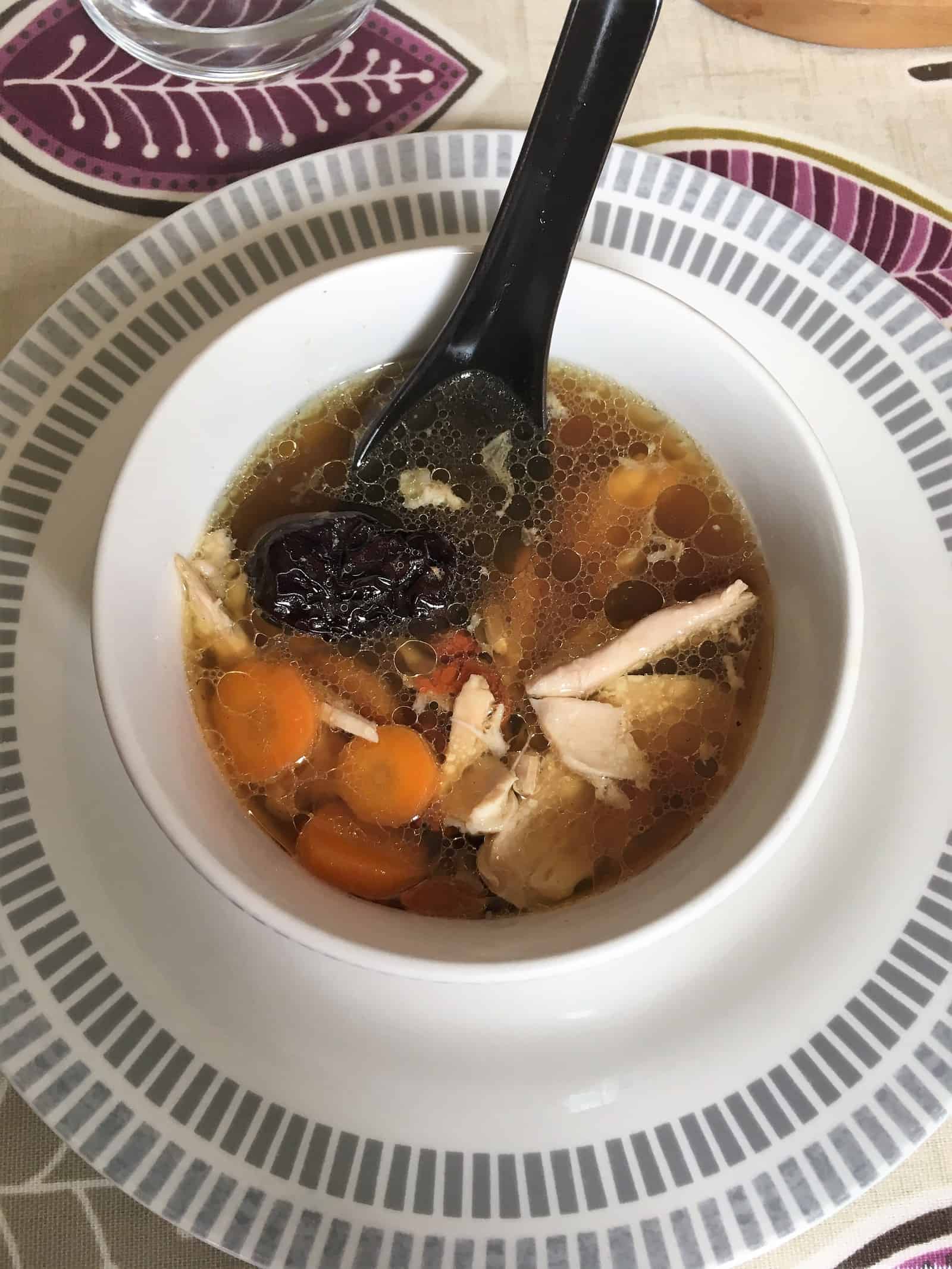
    Yesterday I cooked and delivered a traditional Chinese postpartum dish called chicken and red date soup to a new mother.

    It is a tradition I started a few years ago when I supported my first Chinese client as a birth doula. She found me by asking if there was a Chinese doula in the local community, because she wanted to follow the traditional Chinese postpartum tradition, known as “doing the month”.

    There was no Chinese doula in Cambridge, but someone told her there was a doula who was married to a Chinese and she found me.

    My Chinese husband proved unknowledgeable when it came to the dishes in question, so, in my usual birth and postpartum geek fashion, I set out to read as much as I could on the topic, and taught myself to cook a whole new bunch of traditional Chinese recipes (much to my husband’s delight).

    The first time I made the soup, my husband tasted it, looked delighted, and declared that it was “proper soup”. Then my client told me that it tasted just like what her grandma used to make. This felt like the ultimate compliment.

    I have been making that soup for some years now. I’ve made it for several new mums, who have all loved it. I’ve made it for friends post surgery as well as it’s very good for recovery and healing.

    As I made it again yesterday, I thought it would be nice to share, so others can benefit too. I also experimented for the first time making it in my instant pot (an electric pressure cooker), because it normally takes a couple of hours to make and I was pressed for time. I’m pleased to report the instant pot version tastes just as nice, so I’ll be sharing how I made that too.

    It’s made from very simple ingredients, yet it tastes delicious, and feels cleansing too.

    It has 6 ingredients: Chicken, onion, carrots, ginger, red dates (also known as jujubes-you can find these online or in Asian supermarkets), and goji berries.

    In my usual fashion, I also set out to find some science behind the ingredients, especially the red dates and goji berries. My research left me somewhat disappointed because I’ve found lots of references to traditional Chinese medicine, and also some published research showing what nutrients are available in them, but nothing bridging the gap, i.e. explaining how those nutrients affect hormones and blood flow and healing.

    The Chinese medicine states that red dates are known to increase Qi (life energy), and help nourish  the blood and bring relaxation. Another important aspect of the Chinese postpartum (which I have found to be a worldwide practise), is to keep the new mother warm, and the ginger, red dates and goji berries do just that, as they are considered to be warming to the body. The traditional Chinese postpartum guidelines stress the importance of avoiding cold (literally, no cold drinks), as well as foods considered “cold” after birth.

    Here is an article explaining their health benefits from the Chinese medicine perspective

    I’ve also found some published research that red dates are sedative, anti-oxidant, and anti-inflammatory

    How to make the soup

    I use a modified version of the recipe from the book “The first 40 days” by Heng Ou.  You can also find it in my book Why Postnatal Recovery Matters

    Ingredients

    • 2 pounds whole chicken or chicken parts (I like to use thighs as they are easier to shred than drumsticks, it’s best if they have bones)
    • 1 onion, peeled
    • 2 inches fresh ginger, peeled and halved
    • 3 medium carrots, peeled and thinly sliced
    • 5 Chinese red dates (you can find these online or in Asian supermarkets, you need these to get the benefits as normal dates do not have the same medicinal properties)
    • 3 tablespoons dried goji berries
    • salt to taste

    Preparation (the slow, stovetop way)

    1. Place the chicken in a medium pot, and add enough cold water to cover the meat. Bring to a boil over medium-high heat, uncovered.
    2. Once boiling, add the onion and ginger. Season to taste. Reduce the heat to medium, cover, and cook for 40 minutes. Remove the lid occasionally to skim any foam off the top and discard.
    3. Remove from the heat. Move the chicken to a plate to cool. Shred the chicken meat with 2 forks. Place 1-2 cups of the shredded chicken back in the pot.
    4. Add the carrots and dates to the pot, and simmer over low heat, uncovered, for 45 minutes. Add the goji berries and cook an additional 15 minutes. Season with salt to taste.
    5. To serve, remove the chicken, shred the meat, discard the bones and return the shredded meat to the pan. Serve in bowls

    Preparation (the fast, instant pot, or pressure cooker way)

    1. Put all the ingredients in the pot, cover with water
    2. Cook (using soup mode on your instant pot) for 35 min
    3. Do a quick steam release.
    4. Shred the chicken meat, and place back into the soup.
    5. Taste for seasoning as add salt as needed
    6. Serve in bowls, making sure each bowl has a red date in it

    I had a go at making a veggie version too :

    Whilst you cannot quite replace chicken in terms of taste, I experimented with adding several ingredients I knew would add umami flavours so the soup, so it still tasted nourishing and delicious:

    Ingredients (feel free to use diffferent vegs):

    • one leek
    • 3 medium sized carrots
    • 2 onions (1 red, 1 yellow)
    • a few cabbage leaves
    • a tablespoon of miso paste
    • a tablespoon of dark soy sauce
    • a tablespoon of marmite
    • a dash of Worcestershire sauce
    • 5 Chinese red dates
    • 3 tablespoons dried goji berries
    • salt to taste

    Preparation

    1. Peel, prep and chop veggies
    2. Add all ingredients together to a saucepan
    3. Cover with water
    4. Heat up until boiling then cook covered on low for 40 min
    5. You can either serve as is, or you could strain and just serve the broth (in this case put one of the red dates in each bowl)

    If you are a new mum, and you’d like the benefits of the red dates without the time prep of the soup, you can also make red date tea, by placing 2 or 3 red dates (you can add goji berries and ginger too) in a cup of boiling water, and steeping for a few minutes. You can eat them afterwards too.

    It is also supposed to be a good support to menstruation.

    If you are vegetarian or vegan and fancy trying this soup, you could replace the chicken by some tofu or vegetables of your choice.

    I have found that traditional postpartum practises the world over include rest, support, good nutrition and postpartum specific bodywork. One of my goals is to try and find out what traditional English and French dishes would have been served to new mothers, so please comment if you know, and I’d love to hear about any traditional dishes from around the world too.

    If you would like to learn more about preparing for the postpartum, as well as my book, Why postnatal recovery matters, I have created an online course called How to prepare for a nurturing postpartum.

    Here’s what’s included in How to Prepare for a Nurturing Postpartum:

    • Understanding the postpartum period – Why this time is crucial for long-term well-being.
    • Essential postpartum needs – Learn the key elements that support deep recovery.
    • Practical planning – How to create a postpartum plan that truly nurtures.
    • Food & nourishment – Discover the best foods and drinks for healing and energy.
    • Physical recovery & rest – Tips for supporting the body’s healing journey.
    • Emotional well-being – Strategies to navigate the emotions of new motherhood.
    • Support network – How to ask for and receive help with confidence.
    • Honouring cultural traditions – Insights into postpartum care from around the world.

    This course gives you everything you need to feel held, nourished, and prepared for a truly restorative postpartum.

  • Why I want to change the nature of postnatal support

    Why I want to change the nature of postnatal support

    [et_pb_section fb_built=”1″ admin_label=”section” _builder_version=”3.22″][et_pb_row admin_label=”row” _builder_version=”3.25″ background_size=”initial” background_position=”top_left” background_repeat=”repeat”][et_pb_column type=”4_4″ _builder_version=”3.25″ custom_padding=”|||” custom_padding__hover=”|||”][et_pb_text admin_label=”Text” _builder_version=”3.27.4″ background_size=”initial” background_position=”top_left” background_repeat=”repeat”]

    Earlier this week I wrote a blog that’s been playing on my mind for many years. It’s called “why I wish I had hired a postnatal doula

    In this blog I explain how challenging I found new motherhood, how lonely and upset I felt through those early weeks and how I longed for some support but failed to reach out because of a mix of shame for not loving every minute of being a mother, and feeling like I couldn’t justify the expense.

    As a doula, I witness the same challenge in new mothers. Sometimes I do not even know they are struggling until weeks later, because, whilst they sit in the same pit of discomfort and shame as I did, thinking they are the only one that struggle, they don’t usually reach out for help do they?

    I have written before about the topic of making a postnatal recovery plan, and about what new mothers really need, and you’re not meant to be doing this on your own (hint: it’s not flowers or stuffed bears).

    The wisdom in traditional postpartum practises around the world is very simple really, it boils down to 4 main elements of support for the mother:

    • Rest (someone takes care of the chores)
    • Food ( someone takes care of cooking good, nutritious meals)
    • Social support (the new mother is never alone at home with a baby)
    • Bodywork (someone massages the new mother, along with wrapping her hips/abdomen)

    I have a strong urge to write more about this, to spread the word further, I have a list of blogs as long as my arm about this topic, and in fact I now am thinking I need to write a book, or possibly more than one book, about this topic. Something easy to share, I might start with an ebook, like the one I have already written about rebozo techniques.

    I’m a knowledge junkie, so since I started learning about some postpartum practises, I’ve asked everybody I’ve met about the traditional practices from their country, and you know what, every continent in the world has some form of specific nurturing, specific foods, and bodywork and wrapping.

    After all, you’ve not only grown and birthed a whole new human, your body has accommodated this through tremendous changes.

    During pregnancy, the uterus grows from the size of a pear to the size of a watermelon (pushing abdominal organs out of the way, changing the shape of your muscles, ligaments and spine as it does so), then back again after birth.

    It seems crazy to me that nobody makes sure that all the organs, muscles, joints and ligaments have safely returned where they belong.

    I bake a groaning cake for all mothers I support, and sometimes make a traditional Chinese chicken soup too (my husband is from Hong Kong, and there is still a very strong postpartum nurturing culture there)

    Learning to massage and wrap new mothers had lead me onto a journey of discovery about postpartum practises, got me to work closely with an osteopath, create a new type of massage, and develop my skills in an apprenticeship manner. The two combined led me to develop a deep practical knowledge of what happens to women bodies after birth.

    This has fuelled a fire that makes me want to shout from the rooftops that what we get in the Western world just isn’t good enough, and want to work hard to change that.

    If this resonates with you, and you would like to learn some of these nurturing skills, I am running some Rebozo and Postnatal Recovery Massage courses in July-see https://sophiemessager.com/workshops-birth-professionals/

    [/et_pb_text][/et_pb_column][/et_pb_row][/et_pb_section]