Category: Pregnancy

  • Three ways to educate yourself about birth

    Three ways to educate yourself about birth

    wedding

    One of the side effects of the viral gentle caesarean video I shared last week is that I have been contacted by many women wanting to find out how to have such an caesarean, and I also received many unrelated questions from anxious pregnant women.

    It has been quite an eye opener for me, because normally I work with women who have chosen to have me as their antenatal educator or as their doula. This means that I rarely interact with women who have no such support in place.

    I know that statistically, less than 20 % of all expectant couples attend any form of antenatal education. This includes free NHS classes.

    I find this very odd, because it is a most important and one probably one of the most important transition of a couple’s life. Yet for most very little time or money is spent on preparing for it.

    I wonder if this is linked to the lack of value our culture places on parenting, but, hey that’s the subject of another (or many other blog posts) altogether.

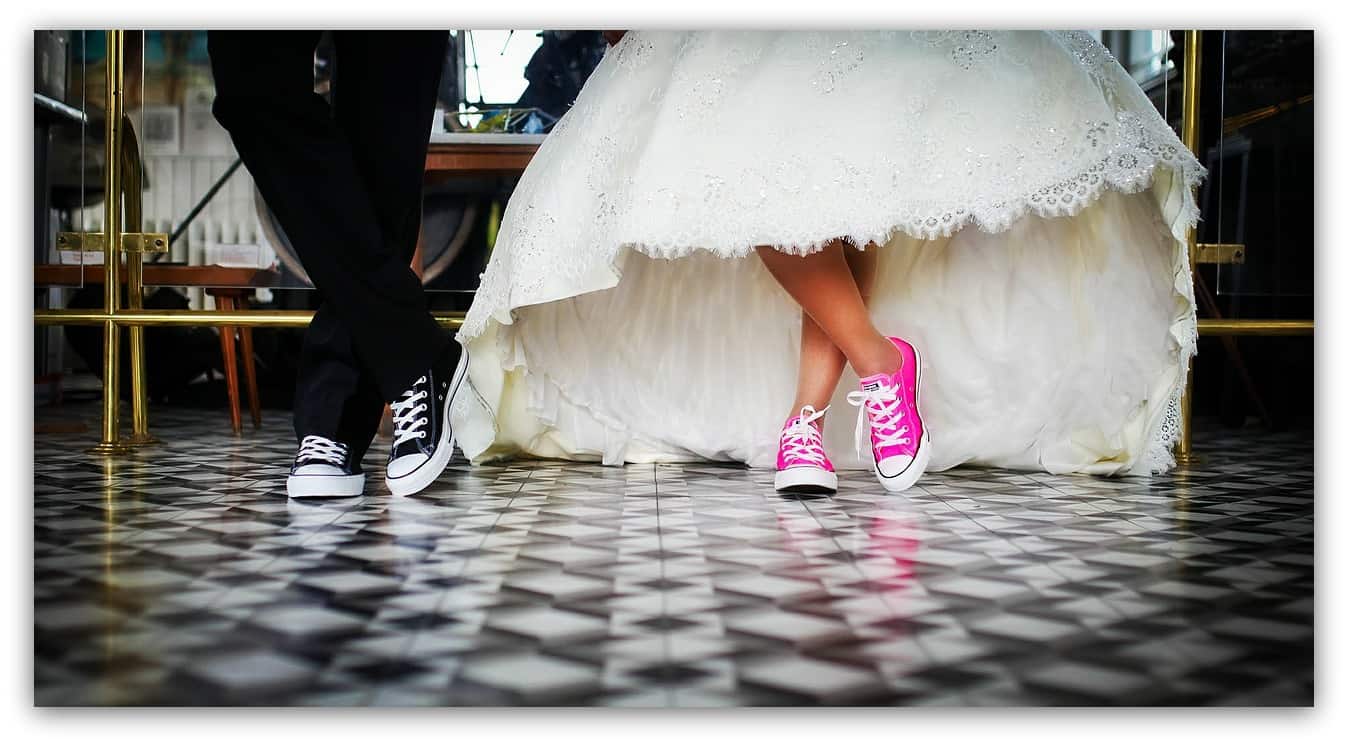
    Compare to what the average British couple spends on a wedding (£20K according to Money Saving Expert…). Yet which of the two events is going to have the biggest impact on the rest of your life? I know people think of medical staff as the experts in childbirth, so they think it’s ok to just turn up and “go with the flow”. But wedding planners are the experts in weddings, and you wouldn’t just tell them “just decide everything for me”, or you wouldn’t say about your wedding “I’m just going to wing it”. Would you?

    If you want what is right for YOU, you need to find out what’s out there, what the options available are, what the stats for your local hospital are (you can find that here by the way), and much more.

    Imagine for a minute if expectant couples in  the UK spent only half of what they spend on their wedding on preparing for their births?  Or even a quarter? The world of childbirth would change. People would be so educated, there would be more classes, more doulas, more support, everybody would find it normal, heck even maybe the NHS would get more funding if expectant couples demanded it!

    But back to the topic of this post: If you want to educate yourself about the birth (and the postnatal period too-that’s just as important), there are three main options: The DIY version (teach yourself), the group version (antenatal classes) and the one to one version (hiring a doula).

    By the way, when I am talking about preparation here I am thinking both birth and preparation for postnatal life/parenthood.

    1) The DIY option:

    glasses-and book

    What is out there if you choose to teach yourself? Well , there are countless books, scientific and lay articles, blog posts, social media groups, and so on, on the topic of birth and parenting. You can pick and choose, read at your leisure, exchange ideas with people online, the list is endless. There is a lot to read. All you need is time and dedication. There is nothing inherently wrong from this approach, and it also complements well the other two approaches below. Coming back to the wedding analogy, “DIY” weddings can be quirky and wonderful. It’s going to be the right approach for some people. But for others, it won’t be. The tricky part with self learning is that, at least at the beginning, you might not be able to discern between what is based on facts and what is merely an opinion, or just plain untrue, or not right for you. Because you do not know what you don’t know, you might miss out on important facts that you didn’t know about, or were relevant to your particular situation (the “I wish I had known…” situation). What your friends rave about may not suit you, but you may not know that until you try it so you might end up spending  your money on books and equipment for nothing, or you could end up buying into ideas that will actually turn out to be wrong for you and your family. The opinions you’ll get from exchanging knowledge with others are also unlikely to be unbiased, because people will tell you what worked for them or what didn’t. It might not be true for you and your baby. The costs range from free (reading online, getting books from the library etc), to quite a bit if you end up buying a lot of books and equipment. You will also need to invest a lot of time-which you may not have.


    2) The group approach

    classroom-group

    What about antenatal classes? These tend to be done in groups of various sizes, which means you might get a great social support network out of them (which is I believe one of the top reasons people sign up for them). There is a whole range out there, from NHS classes to various private classes like those provided by the NCT (which are free for low income couples by the way) and various other organisations. Some classes are generally birth and parenting knowledge based (a mix of physical emotional and practical knowledge), some focus more specifically on some aspects of birth preparation (like Hypnobirthing classes), and some are exercise and/or relaxation based (like pregnancy yoga). The exercise based classes also usually incorporate an element of discussion. Partners usually accompany you to the group classes. Private classes are usually facilitated by people who are knowledgeable about birth and parenting, and passionate about empowering parents. There is a chance to ask questions and find out about a whole bunch of information you didn’t know existed, and build your confidence. Coming back to the wedding analogy, this is the equivalent of booking in a venue that provides all the catering under one roof-there will be choice, but from a limited list. You just need to make sure you pick the right venue. Because the classes are group based, there may not be enough time to address your individual concerns and needs in the depth that would suit your needs. Your teacher might be available to answer your questions by email between classes , but won’t be available 24/7 when you need support. You can also book one to one antenatal classes. Prices range from free (NHS classes) to about £200 to £400 for knowledge based group classes. The time is usually something from around 6 to 16h for a course.

    3) The one to one approach

    IMG_5186 compressed with background

    What about hiring a doula? A doula is like having your own birth coach. A doula will provide truly individualised support, and guide you through the maze of conflicting information, using her intuition and the information you give her so suggest links, articles, books etc which are more likely to float your boat. She will be there to hold you and your partner’s hands every step of the way, making sure you have all the information you need, all the emotional support you need (she will always be there for you-if you have a questions or a wobble, she is only an email, text or phone call away), that you and your partner feel confident and prepared for the birth and postnatal period (out of the three options above she is also the only one who can be there to support you both DURING and AFTER the birth as well as before). She will help you write your birth preferences. Your doula will meet you in the comfort of your own home at least a couple of time during your pregnancy so you get to know her and become comfortable with her, and there is no limit on email and phone support. This is truly one to one tailored to you need support in every sense of the way. In wedding analogy terms this is like hiring a wedding planner, and everything being bespoke. I have written a specific blog about that-Ten things a doula does to prepare you for the birth of your baby. What about the costs? Hiring a doula ranges from free (couples in receipt of benefit can apply for the doula UK access fund) to around £300 to £400 for a mentored (newly qualified) doula, to £600 to £2000 for a recognised doula. The time involved is usually at least 4h to 6h of antenatal face to face time, as well as unlimited email and phone support, and support throughout the whole of your labour and birth, be it 3h or 3 days long.

    So there you have it-three options to prepare for birth and parenthood-they aren’t mutually exclusive either. But it’s good to know what is available, and what you get for your money 🙂

    I know I’m biaised because I am a doula. And I also know I haven’t written any disadvantages of hiring a doula, but this is because I genuinely cannot think of any! I once was that pregnant mother myself, and I had a doula, and I know how much of a difference it made. It is difficult to describe with words, and often, mothers don’t really understand the full value of their doula after they have been doula’ed themselves. This is what led me on this path. I feel very strongly that every woman deserves a doula.

    If you feel drawn to working with me as a doula, look here. If you are a birthworker and this resonates with you-you can find the workshops I offer here.

  • Why you may want to have a plan C (for caesarean) in your birth preferences

    Why you may want to have a plan C (for caesarean) in your birth preferences

    right way

    When I support couples antenatally, I always encourage them to write a birth preferences document. I do not like the word “plan” because if a plan goes to pot, then you’ve left with nothing (I love this article on the topic).

    I liken writing your birth preferences to going out for diner in a restaurant: you need to see what’s on offer before you can decide whether you fancy a set menu, a la carte, or just a starter and a pudding. If you don’t see the menu, you just get given the dish of the day, which might not suit your tastes at all.

    Similarly, I like to remind parents that the people working in the restaurant are there to serve them, not to serve themselves.

    I sometimes meet resistance from parents who say that you cannot plan birth, and that they would prefer not to have one in case they end up disappointed. I understand that point of view, which is why I like to suggest to parents that they have a plan A, a plan B, and a plan C, as part of their birth preferences. It isn’t a box ticking exercise by the way, it is the process of thinking about all the options and writing them down which is useful. The midst of labour, when you might have been awake for hours and maybe stressed as well as tired, isn’t the best time to weigh up options about interventions you have never heard about.

    menu

    It also helps your medical caregivers, who you will be meeting for the first time during your labour, to establish rapport with you and know how best to support you.

    Again going back to the restaurant analogy, if you came to dinner at my house and you hadn’t told me you were vegetarian, and I had cooked a beef stew, this wouldn’t be great for you, but this wouldn’t be comfy for me either.

    So plan A might be your ideal birth scenario: for example a natural birth, in a low key tech environment (home or a birth centre), using a birth pool and/or relaxation and breathing techniques for comfort (this is just an example by the way-I have been in the birth field long enough to know that birth prefs are like marmite and that one woman’s dream plan may be a low key vaginal birth and another a planned caesarean, and this is totally fine by me).

    Plan B might be looking at things like: what if your labour is induced, what if you have complications that require you to be in the obstetric unit and have constant fetal monitoring, what if you need an epidural, what is your baby needs instrumental help being born. By looking at the interventions and the scientific evidence behind them you will truly be able to make an informed decision about what is right for you.

    Plan C covers what you might want to think about if you baby needs to be born by caesarean, be it planned or during labour (the term “emergency caesarean” is the biggest misnomer of all times-it conjures an imagine of blue lights flashing and medical people running down corridors, when most of the time(crash sections are very rare) is it decided calmly and takes more than 30 min or so to setup-it should really be called an “in labour ” caesarean), what may happen in the few hours after birth and what recovery might look like. Again there are many options, for example you can ask for the cord clamping to be delayed so that your baby received an optimal level of blood, you can have skin to skin in theatre and even feed your baby then if you want to. This is known as a “natural caesarean” (watch the video here, and here is a brilliant natural cesarean birth preferences blog post by doula Lindsey Middlemiss) and if you do not know about it then you might be given the type of caesarean that your obstetrician is used to performing, which might be different.

    It is something I find tricky to navigate and completely follow the couple’s lead, because I am also aware of the school of thought that by talking about interventions, you are also prepping your mind for it (if I say “don’t think of a tree-what pops into your mind?), but I am also aware that our current maternity statistics have very high intervention rates (the UK caesarean rate for 2014/15 is 26.5% which means that 1 in 4 woman is likely to have a caesarean), and that it is therefore realistic to prepare for this eventuality.

    I remember supporting a couple who had planned a birth centre water birth. When after pushing for a long time there was no sign of baby and it became obvious baby needed to be born by caesarean, they had a part of their birth preferences covering that. They had the kindest doctor, who took the time to read their preferences and facilitated most of it. Later on the mother told me how much she had hated writing this part of the document because she didn’t want to entertain the idea that her baby would be born by caesarean , but that when it came to it, she felt that she had a positive birth experience because of it.

    The main reason behind the planning and the thinking is that research shows that it isn’t how the birth unfolds, it isn’t how the baby ends up being born that makes a positive birth experience or not. It is HOW THE PARENTS WERE MADE TO FEEL during the experience. The parents who feel respected, treated with kindness, and with whom the decision making process is shared with their medical caregivers, tend to have a positive birth experience regardless of the process.
    idea

  • The slow disappearance of homebirth services,  the erosion of women’s choices and the need for respect and kindness.

    The slow disappearance of homebirth services, the erosion of women’s choices and the need for respect and kindness.

    change-

    This week I received an invitation to a group called “save our homebirth team”.

    It broke my heart, because this a campaign against the disappearance of the dedicated homebirth team in Peterborough.

    Peterborough is one of the few trusts in the UK that still has a dedicated homebirth team.

    This means that there is a group of midwives there who are not only confident and skilled at supporting homebirths, but when a couple books a homebirth, the team arranges for them to meet every single one of the midwives in the team. This ensures that they actually know the midwives who are going to come and support them during their birth. How awesome is that?

    Nowadays in my antenatal classes, I mostly hear stories of women telling me that they rarely see the same midwife twice during their pregnancy. They say the appointments feel like box ticking exercises, and that they don’t trust the midwives they meet. Why would they? How do you trust someone you don’t know?

    It didn’t used to be like this.

    Ten years ago when I was pregnant with my son, Cambridge used to have a caseloading community midwifery team. During my pregnancy I saw the same midwife at every appointment (and the appointments were about 20 min long). She came to visit me at home a couple of times, and when I was in labour, as she was on call then, she came and supported me through the birth. I didn’t quite realise how lucky I had been to have this kind of continuity of care. My midwife was also very experienced, reassuring, and confident enough in her own practise to fully support my decision to refuse an induction (My son was born at home 16 days after his “due date”).

    Three years later when I was pregnant with my second child, I had started my childbirth educator and doula journey and I felt I couldn’t take the risk of having a stranger turning up at my birth, so I hired independent midwives. It makes me so sad to think that not all the women who psychologically need this kind of care can afford independent midwives.

    We know for a fact that continuity of care leads to better outcomes for mothers and babies. Beside the science backing this up, it makes sense, right? How on earth is a midwife going to know a pregnant mother is out of sorts, or more swollen than usual, or any other mental or physical signs are off, if she has never met her before?

    We know that mothers prefer it, and that staff prefer it too, if they are adequately supported, with caseloads that are appropriately sized.

    The trend towards team midwifery and lack of continuity of care is worrying enough, but I am now seeing a more worrying trend: the looming disappearance of homebirth services.

    Kings Lynn’s hospital stopped providing a homebirth service a few years ago – this has been the object of a campaign called Birthplace Matters (the brainchild of doula Paula Cleary)  which has resulted in the Trust being criticised by the Ombudsman for its inadequate provision for choice of place of birth but has sadly not yet resulted in the reinstatement of services.

    In Cambridge, where I live, we used to have a higher than average homebirth rate. When I started working as antenatal teacher in 2010 it was 6%, well above the 1% national average. In my antenatal classes, I used to have a homebirth couple in almost every class. Now it’s more like one or two per year (running monthly classes).

    Since the local birth centre opened in 2012, the homebirth rate has steadily decreased to about 1%. This is partly due to the birth centre attracting potential homebirth couples, but I believe it’s also down to a lack of commitment to promoting homebirth from the local NHS trust.

    Until last year we were lucky enough to have a fairly healthy homebirth service; whilst we heard stories of women being refused a homebirth in other parts of the country, it didn’t seem to happen here.

    It all started to change last October, when a pilot was put in place at the local hospital. Instead of having two community midwives on call for homebirth at night, there is one, working an ordinary shift in the hospital.

    Since then, several things have happened.

    Couples planning homebirths have received letters telling them that the trust cannot guarantee a midwife will be available to support them at home. Whilst I understand that the hospital needs to be honest with women so they can make informed decisions, women booking hospital births are not being officially notified that the hospital may be short staffed or even closed when they go into labour.

    The trust even has a statement about this on their website

    The maternity service at the Rosie supports home births however it is acknowledged that at times this will not possible due to staffing and/or workload both within the hospital and/ or community. Should it not be possible to support a homebirth then a woman in labour will be asked to attend the Rosie(or if on divert to a neighbouring unit ) where there is a midwife available to care for her. In the event of a labouring woman being unable to make her way in or declining to attend and the unit is unable to attend the birth at home then an ambulance will be sent to facilitate transfer to a unit where a midwife is available to provide care.”

    As you can imagine the recipients of this letter were very distressed, and the statement above doesn’t exactly inspire confidence to potential homebirth parents. You can read more about that here.

    Since the change has happened, I have heard several stories of births for which a midwife wasn’t available and how distressing this was for the mother in labour.

    In my antenatal classes, I have also heard stories of disgruntled couples who were in the birth centre, then their midwife told them she had to leave because she had to attend a homebirth. This gave parents the impression that a homebirth was more important than them.  I wish different language had been used. For example, the midwife could have explained that she was community based and if a call came from the community she may have to go.

    I just do not understand the logic.

    I know the NHS finances are in a terrible state, but when the Birthplace study shows us that homebirths are significantly cheaper than hospital births, (and also that homebirth is very nearly as safe for healthy first time mothers at home than in hospital, and safer for second time mothers), that homebirth are less likely to result in costly interventions, when the NICE guidelines were changed last year to reflect this, surely there should be a concerted effort to INCREASE the homebirth service and to actively promote it rather than trying to scrap it?

    Yet it seems that the opposite is happening.

    I am by no means trying to say that everybody should birth at home by the way. I have been in the birth field for long enough to know individual perceived safety is, and that women should birth where they feel the safest. For some it’s at home, for some in a birth centre, for others in an obstetric unit. I have no issues with that.

    What I have issues with, however, is that women appear to be having their choices restricted.  It is paramount that these choices are respected, not just because many women prefer to birth outside the hospital but because for many women, it really is the only psychologically healthy option for them.

    Asking some women to go to hospital is like asking a soldier to return to the battlefield that caused his shellshock.

    I believe that women cannot make fully informed choices when they aren’t informed of all the options, their pros and cons (teaching antenatal classes for the last 5 years have showed me how many misconceptions people have about the safety of homebirth), and also being confident that the option they choose will be available.

    For homebirth to become normal like it is in some countries like Holland, or even some parts of the UK where the homebirth rate is closer to 10%, there needs to be a concerted effort from the NHS to promote it as a valid choice.

    Legally, where we choose to give birth in the UK doesn’t fall under the remit of maternity care, it falls under the remit of human rights.

    Some countries in Europe, in particular Hungary, have banned homebirth. In 2010, a Hungarian homebirthing woman called Anna Ternovsky challenged her country in the European court of human rights, and won the case. The court ruled that meaningful choice in childbirth is a human rights issue, and that birthing women are the ultimate decision-makers regarding the circumstances in which they birth their babies. You can read more about women’s rights in childbirth on the Birthrights website.

    Beside the decrease of women’s birthing options, I am also seeing a worrying trend towards disrespect of women’s choices within the health system in general. I see a lot of coercion. I hear a lot of “do as you’re told, or else”. This week I was told of a new mother who was threatened with a report to social services when she tried to discharge herself from the hospital against medical advice. Earlier this year a client of mine chose to go home to wait for labour to start on its own rather than consenting to induction, and was told by the midwife as she left “I hope you don’t have a stillbirth during the night”. Another one wanted to wait for labour too and was also told “your baby might die”.

    Health professionals, I just don’t get it.

    I know you want what you think is the best for the mother, but do you think for one second that the mother doesn’t have the best interests of her unborn child at heart?

    Do you think there is any mother in the world who is going to put her unborn baby willingly at risk of injury or death?

    Do you realise you are in breach of your own code of conduct?

    The code of conduct of doctors and midwives in this country is very clear on consent. The GMC guidance states that:

    ” You must respect a patient’s decision to refuse an investigation or treatment, even if you think their decision is wrong or irrational. You should explain your concerns clearly to the patient and outline the possible consequences of their decision. You must not, however, put pressure on a patient to accept your advice.”

    doctor

    Very clear right? Only I wish I witnessed it more often. From time to time I meet a refreshing doctor or midwife who really gets it. But they are a minority. It’s so unusual that I am in awe of them. I always mention it to the person in question how impressed I am by their bedside manner. What I see, most of the time, are various shades of coercion. Sometimes it’s gentle and well meaning, but it’s still coercion. What I believe happens is that most patients are compliant with medical advice and do not question things. Therefore I assume that medical professionals are used to this behaviour, and few get to hone and practise informed decision making on a regular basis. I also believe that the fear of judgement from peers and the fear of litigation, has a lot to answer for.

    The other problem is that clinical guidelines and hospital policies are based on a population. They have to be. But you, an individual pregnant mother, are not the population. You are an individual, and as such you deserve an individualised plan of care.

    I appreciate the words above are potentially upsetting. I am not writing this to cause upset.

    I am writing this because I hope expectant and new mothers read this  and that it helps them make more informed decisions.

    I am writing this because I hope more expectant and new mothers can receive nurturing, individualised care.

    I am writing this because I want to see more respect and kindness within maternity services.

    kindness-620

    I do not believe the system will change through people like me. I have been trying to make positive change happen for the last 5 years, by being a lay member of my local maternity liaison service committee and bending the ear of every health professional who will listen, with little results.

    What I have seen however, is system changes happening when the people who use it (pregnant and new mothers) demanded it.

    If you are pregnant, attend antenatal education, inform yourself about your birth and postnatal options, reach out to other mothers and to birthworkers and build up your knowledge so you can make the truly informed decisions that are right for YOU.

    If you work with expectant parents, help them feel empowered enough to challenge the decisions that don’t feel right for them.

    The more people challenge things, the faster it will change.


  • Head versus hands knowledge

    Head versus hands knowledge

    I’ve just realised that I don’t value my “hand knowledge” enough

    We live in a culture which values and glorifies “head knowledge” over any other of kinds of knowledge. Intellectual knowledge, academic knowledge, whatever you call it. This is the type of knowledge you get from getting a degree, from getting formal education ,from reading books etc. And it also happens to be the type of knowledge upon which our society places the highest value.

    For years, I also thought about it in this way, that it was the only type of knowledge worth having. I thought that I had to read papers, and cram my head full with facts and figures. I thought I had to know everything, and that if I didn’t, I was incompetent. It wasn’t actually spoken, but it was implied as a rule during my years as a biology and PhD student. Because I was new, I was treated like a young ignorant person (something I often refer to as the ‘young grasshopper’ attitude) by my supervisor and by the other scientists in my PhD lab, and the message implied that I didn’t know enough. This feeling stayed with me for years, so much so that when I was speaking at conferences, it wasn’t delivering my talk that filled me with anxiety, but the questions asked at the end of my talk: what if I couldn’t answer them?

    Yet I wasn’t aware of this, but all this time there was always another kind of knowledge, even in the field of biological research: I did a lot of practical work in the lab, and to become good at it, I had to learn with my hands, with my body. This wasn’t an intellectual process. And yet, although this wasn’t spoken, it was implied that this knowledge was less valuable, because that the people in the lab like technicians, who only did benchwork where considered less valuable than the ones working at their desks. I remember really enjoying switching between bench work  and desk work as a student scientist.  It gave me a good balance of using my hands and using my head. I would have loathed spending all my time at the computer.  I loved spending time at the bench, using my hands, it felt very similar in a way to cooking. I guess I always had that need for that balance in me. But I wasn’t conscious of it, or didn’t put words on it, that realisation came much later.

    The intellectual knowledge came easily to me, so I didn’t value it. I have noticed that we don’t tend to think much of what we can do effortlessly, as if effort and value go hand in hand.

    It was only after I quit science to become a birthworker that I realised I had the same hang up in my early days in my new career as I did in my early days as a scientist. The young grasshopper feeling came back, along with impostor syndrome.  When I started teaching physical skills in my antenatal classes, and also the closing the bones massage, I felt particularly uncomfortable when massage therapists and bodyworkers turned up to learn from me. I felt like a fraud, like a home cook showing a Michelin Star chef their favourite dish. Who was I to teach them anything, and what were they going to think of it? I guess I just didn’t value much of my hand knowledge at that time.

    Interestingly, everyone I taught gave extremely positive feedback. And antenatal classes assessors told me that I was a natural at teaching physical skills.

    Now I realise that I just assumed I was crap at doing stuff with my body, because this isn’t what I had been trained to do, and because the way I learnt it was completely different from my scientific training. The rebozo techniques, the birth positions, the massage, the breathing and relaxation techniques, I learnt them by either teaching myself or from other people, through an informal, apprenticeship type of approach. It wasn’t ratified by a university degree, and often, gasp, horror, there wasn’t even a certificate to prove I had learnt stuff!  So surely this couldn’t be good?

    Interestingly, as part of training for my university diploma in antenatal education, I learnt that we are all kinaesthetic learners : we learn by doing, rather than by listening or watching. Research is clear about this:  for instance, attending a lecture has a learning retention rate of 5 to 10% whereas practising things lead to a retention rate of around 70 to 80%.

    It took a couple of conversation with a massage therapist friend, Stephanie, and my osteopath friend Teddy for me to start shifting my thinking. Within a short time I practised the closing the bones massage on them, they both enjoyed it a lot and praised both the technique and my skills. Only then did I start to reflect on the idea that maybe I was actually ok at doing this stuff with my hands.  I realised I hadn’t reflected on it much until then, and that I had just assumed I wasn’t particularly good at it.

    The crunch came when I told Stephanie that head knowledge came easily to me and hand knowledge didn’t. Stephanie told me she was the opposite. This was a light bulb moment: I had been dismissing my new skills because of how I looked at them through the filter of what I considered to be valuable knowledge. Only then did I start thinking that I could do good things with my hands.


    The shift from scientist to birthworker gave me an very interesting insight on my scientific years. As I trained to become a doula, I learnt a lot about signposting and being non judgemental and positive in my interactions with others. I changed the way I was answering questions as conferences-when asked something I didn’t know about, instead of feeling defensive and uncomfortable, I acknowledged the pertinence of the question and threw it back to the audience-this caused such a positive shift in energy in the room!

    When faced with something we don’t know we can react in either of two ways: defensiveness, or admission of lack of knowledge followed by an expression of wonder. Defensiveness (I’ve never heard about this-therefore it isn’t true), is a fear response. It is a reflection of the recipient feeling incompetent, often followed by dismissing the point of view that is being put forward. Amazement, or wonder, on the other hand, is a love response. “I’ve never heard about this-how interesting” . Guess which of the two attitude fosters connection?

    Today in my work as a doula, I sadly observe many medical professionals behaving in the defensive way described above. I understand that this is the product of education and culture but I wish for more enlightenment and desire for connection.

    This brings me to the third kind of knowledge-that my change of career has taught me much about: heart knowledge. This is more difficult to explain and capture, but I guess some of the concept above illustrate it-connection is key. Heart knowledge is deep knowing. It is compassion, love and connection. I would say head knowledge comes first, then body, then heart, heart being the deepest of the three.

    It is said that knowledge is like the layers of an onion. In my work as a doula I have been humbled to move on from stuff I knew in my head, to stuff I knew in my body, to stuff I knew in my heart. That is what the essence of what the work of a doula is. Heart knowledge.

    True, connected support isn’t about head knowledge, it isn’t about the facts (though this is sometimes important too), and it isn’t about how good you are at giving a massage. It is about how present you are, how you are holding her, with your heart wide open.


  • Doula myths series part 1 "I don’t need a doula because I have my partner"


    There are several myths/misconceptions are doula support. One of them is “I don’t need a doula because I will have my partner to support me through the birth”.

    Sometimes, the partner themselves feels concerned that the doula is going to take their place/make them feel redundant.

    It couldn’t be further from the truth.

    So why do you need a doula even if your partner is there during your labour and birth? Here are my ten reasons why:

    1) Think about the doula like a coach, or a sherpa: if you were going to climb mount Everest, you would take your partner with you, but you’d also hire a guide. Someone who has done it several times before, who knows the mountain inside out, who knows the easy route and the scenic route, who knows how to navigate unexpected weather changes, who can help cheer you on and help carry your bags etc.

    trekkers

    2) During the pregnancy a doula can help you both acquire the knowledge you need to plan the birth environment and location etc that suits you best. Knowledge is power! You wouldn’t turn up at an important business meeting thinking you’re just going to wing it! So having some thinking about the options beforehand will help you and your partner feel more prepared and confident.

    3) Many pregnant women and their partners have fears and anxieties about the birth and about becoming a parent-a doula will help you identify and talk through these, help you find ways of alleviating them, work your way through conflicting advice, and debunk myths.

    4) A doula can help your partner feel more relaxed and safe : having someone you know and trust present in the room, someone who has seen it all before, who isn’t freaked out by it, someone you can ask questions to (“is this normal?), who can reassure you that things are progressing as they should (especially during the earlier part of labour when you are alone at home-this can take up to 2/3 of your labour by the way) can make a world of difference to how calm and confident you both feel. You’ve probably heard that adrenalin and stress are contagious, but so are calm and oxytocin! Having a calmer and more confident birth partner, can in turn help you feel calmer and confident, and can have a significant positive effect on your labour.

    5) Doulas are skilled at providing labour support. So we can help your partner support you better during your labour and birth. We can suggest comfort measures for labour, like breathing techniques, movement, positions, massage and more. We can show your partner how do them during labour, so your partner can support you better, building even more into this confidence thing. This also help increase the feeling of connection between you. Nothing makes a doula happier than hearing a couple say something like “we did it together”.

    relaxation

    6) Team work: birth can take a long time and be a tiring affair for a single birth partner. Having more than one partner in your birth team means that we can tag team, giving each other a break and time to grab a nap, a snack or a drink, or simply time to go for a wee without leaving you without support during a contraction. Sometimes a labouring woman may like to hold onto her partner’s shoulders during contractions, but also needs her lower back massaged at the same time-that is something rather difficult to do on your own!

    7) We know how to pace ourselves-we’ve been there before many times and we have learnt from it. Again back onto a coach analogy, we know how to navigate a long labour, keep both of you as comfortable, rested, relaxed, fed and hydrated as much as possible. We can suggest more restful positions for both of you, feed you snacks and give your drinks, keep you cool, suggest breaks etc.

    8) Doulas are helpful advocates for the two of you. We know the maternity system in and out-so if a curve ball get thrown at you-something unexpected happens, an intervention you didn’t want gets suggested-we’ll help you navigate it, make sure you have asked the right questions, make sure you have all the information you need so you can make the right decision for you.

    9) Doula are impartial-we are often the only person in the room who isn’t bound by other professional obligations than to serve you. We have no clinical responsibilities and no agenda, other than making sure that you are unconditionally supported.

    10) After your baby has been born, we stay for a while and look after the both of you, help you bond and establish feeding with your baby, and make sure you are comfortable and safe and feel ready before we leave.

    father and baby

    And I know that’s ten, but I want to add something else :  when you get home with your new baby-and you’re freaked you out because this feels like a huge responsibility and you don’t feel “qualified” to look after this baby on your own. And then everybody is giving you conflicting advice so it’s hard to listen to your heart and trust yourself? Your doula can come to your home and help you find your feet, and is often the only person listening to you without an agenda, hence helping you find your own ways of doing things.

    If you this resonates with you and you feel draw to work with me- head over here

  • The taboo of the first trimester of pregnancy

    pregnancy test

    We have this weird taboo in our culture about the first trimester of pregnancy. The first rule of the first trimester is you don’t talk about the first trimester. We just don’t tell people we’re pregnant. I don’t know how it started. Before the advent of medicinal chemistry and pregnancy tests were available, I believe we were more in tune with our bodies and had other ways of knowing, so I don’t think it came from “not knowing” with a medical proof that we were pregnant. But these days, it’s like we’re going to jinx it somehow if we tell people. We have to hide it and worry about people guessing because we are no longer drinking alcohol. It’s one hell of a big taboo.

    It doesn’t make any sense to me now and it didn’t make any sense to me when I was first pregnant. I wanted to tell people. Sure I didn’t tell my boss and every acquaintance, but I told my close friends and family pretty much the day I knew.

    I’m really glad did because, when, after trying to get pregnant for 18 months, I found out I was finally pregnant I was overjoyed. But when I was told at the 12 weeks scan that my baby had died, nothing could have prepared me for the raw grief I experienced. I really needed my loved ones’ support. I am so very grateful for the support I received from the Miscarriage Association. When everyone else was feeding me unhelpful platitudes (“You can have another one” “It wasn’t a real baby yet” “It’s for the best, there was probably something wrong with it”), they understood my grief and provided much needed soothing words of support. My first miscarriage was and still is today one of the hardest grieving experiences of my life.

    I discovered a whole new world of grief and silence after my miscarriage- when I burst into tears in a GP surgery after seeing a newborn baby-a kind receptionist accompanied me to another room, and told me she had lost twins herself. As I told my story, more and more women came forward with theirs-I was so shocked to hear how common it was (1 in 4 women people!). Yet until I spoke nobody else did. So we all suffered in silence and lack of sisterhood until we secretly admitted to being part of the club.

    Then I went on to have 3 more miscarriages (with a live baby in the middle and another one at the end), I still needed support. Heck I needed a hell of the lot more support than the first time I was pregnant, when I was so blissfully unaware that my baby could die. I was so scared I would lose this baby again. I never experienced the relaxed bliss I experienced during my first pregnancy again. When I had a big bleed at 11 weeks during my last pregnancy and I was petrified with fear that my baby had died-I was extremely grateful for the support of my doula who accompanied me and my husband to the emergency scan at the hospital. Having her there made me feel safe and loved. It felt validating too.

    Today, I feel very lucky to have 2 healthy children.

    But do I feel that the beginning of pregnancy should be hidden? Hell no!

    Let’s look at several different scenarios:

    If you’re healthy and your pregnancy is progressing well and everything is as it should-you might still feel extremely tired during your first trimester. You might feel nauseous. You might be sick. You might experience dizziness and blood pressure and blood sugar drops, and just generally not feel great. But because at this time you have no visual signs of pregnancy then you get no support. No jumping queues, even if you feel faint, nobody giving you their seats in public transport, no extra rest breaks at work. No extra kindness, no sympathy. That just sucks! I had several experiences like this during my pregnancies- I felt exhausted, had mild to severe nausea at times, felt faint without warning etc. Shouldn’t we have something in place to give women the support they deserve there? Shouldn’t we be treating them like the amazing, special goddess they are? They are growing a new human being!

    When I was only 7 weeks pregnant with my daughter I felt so tired and sick that I had to tell my boss because I had to go and lie down in the sick room at work for a while at lunchtime. I was shit scared to tell her (She was a childless woman and I had only been in the job for 4 months) but luckily she reacted very positively (in fact I recall being so relieved and surprised that I burst into tears!) and I was able to get my breaks without looking suspicious. Funnily enough, once I was told I could have the breaks, suddenly I found I needed them less-because the worry of what people where going to think had been lifted.

    If you’re healthy but there are fears around losing your baby; you have a history of miscarriages, your baby was conceived through fertility treatment, then you need some extra emotional support around this time a lot more than you will once the first trimester has passed and once you can start feeling your baby move. If your loved ones know, then they will be able to support you more readily. Similarly, keeping it secret in a bid to protect yourself (to avoid “jinxing” it), means that you may miss out on expressing those fears and having loving people acknowledge and validate them.

    If you aren’t healthy during your pregnancy-if you have a chronic illness which is exacerbated by pregnancy, or if you have hyperemesis-you are going to need some extra support too as soon as you find out you are pregnant.

    I wish our culture was more supportive of expectant and new mothers in general-and I feel that we need to lift this first trimester taboo-and encourage women to ask for the support they deserve-as soon as they are pregnant.

    If you work with pregnant women-please please please consider offering support during the first trimester. Please tell women that you know why they need it. That you understand. That they deserve it. Please explain to them why they might need it. That is isn’t selfish or indulgent. Please signpost women towards sources of support-from specialist groups to alternative practitioners-and if nothing can help-well just know that having our feelings heard and validated can make a huge different. Please spread the word. I am hoping that if enough of us break the silence around this, and more and more women realise that they need support during this special and vulnerable time, then this will help break the first trimester taboo.

    PS:

    Several women contacted me after reading this blog post, telling me they didn’t want to share their news during their first trimester. I want to say that this is totally fine. It would be just as bad to force women who wish to keep their pregnancy secret to be obliged to do so, as it is to force women who want to share not to. I just wanted to express that I wish that women would choose to keep their pregnancy to themselves do so for the right reasons for them, not because of cultural expectations.


    pexels-photo-54289 drop shadow

  • Weaving the cloth of support through a woman’s life, part 3: Using the rebozo to support and comfort through pregnancy and birth.

    CTB sophie drop shadow

    If you’re a birthworker, you will no doubt have heard of the rebozo, this mystical scarf that can be used to support women in all sorts of ways during pregnancy, labour and birth.

    What is a rebozo? It is a traditional Mexican shawl/scarf that women use for all sorts of purposes: to keep warm, to carry loads, to be supported with during pregnancy and birth, and to carry their babies. I’m going to keep calling it a rebozo because this is the most known term in the birth world, but it is much more universal than that. In Ecuador it is called a Manta, and I have found accounts of cloths used all around the world for similar purposes. Often they don’t even have a name. People just use whatever fabric they happen to have.

    So, what can you do with a rebozo?

    First and foremost, the rebozo can be used to support and promote relaxation. By wrapping the fabric around someone’s body and using it to provide a rocking motion, we are tapping into the most primal rhythm we experienced in the womb, gently rocked by our mother’s hips swaying, by her breathing rhythm, by the beat of her heart. Rocking is universally soothing to all ages.

    During pregnancy, a simple sifting (rocking movement) of the back/shoulders, hips or bump can provide a wonderful and easy relaxation for the mother. It works in a manner similar to a progressive muscular relaxation, only it is more powerful because someone is doing it for you. Another reason is it so efficient is that it is impossible to remain tense whilst you are being jostled. When you are heavily pregnant and feeling tired and achy, it is simply wonderful to have someone wrap a rebozo around your bump whilst you are on your hands and knees, and gently lift the weight of the bump off your spine, then gently rock your bump. Similarly, having your hips gently rocked is also deeply soothing and relaxing at the end of a long day.

    It is easy to do and the woman’s partner can learn to do this in a few minutes, and can then do it regularly, which is an awesome way of connecting and relaxing and preparing for the birth together. At the end of the pregnancy, when the mother is impatient of waiting for labour to start, it can work wonders in helping her feel more patient and relaxed as she waits for her baby to arrive.

    You can also use a rebozo to support your hips before and during pregnancy.

    The rebozo can also be used in pregnancy or during labour to help a baby get into an optimal position for labour. By rocking the bump in a hands and knees position, the rebozo can help relax tight ligaments and achieve a more balanced uterus, as well as helping gravity to move baby in an anterior position (see http://spinningbabies.com/learn-more/techniques/the-fantastic-four/rebozo-sifting/ and http://www.ncbi.nlm.nih.gov/pubmed/26255805)

    During labour there are many ways a woman can use a rebozo to provide comfort. The mother can knot it and stick it in a door frame for something to pull on, she can use it to cover the windows, cover the hospital bed or equipment and make the room more homely, she can cover her ears or eyes with it to provide a dark, private cocoon. Her birth partners can use it to provide gentle rocking or vibrations on her body, wherever it feels good, for example around her thighs, hips, back, bump etc,  to soothe and relax her both during and between contractions, or to provide counter pressure on her hips or lower back.

    I offer “mindful rebozo” workshops in Cambridge for doulas and birthworkers. I am also happy to travel and run the workshop in your area.  See dates of future workshops here and get in touch if you would like to organise one near you.

    rebozo pic