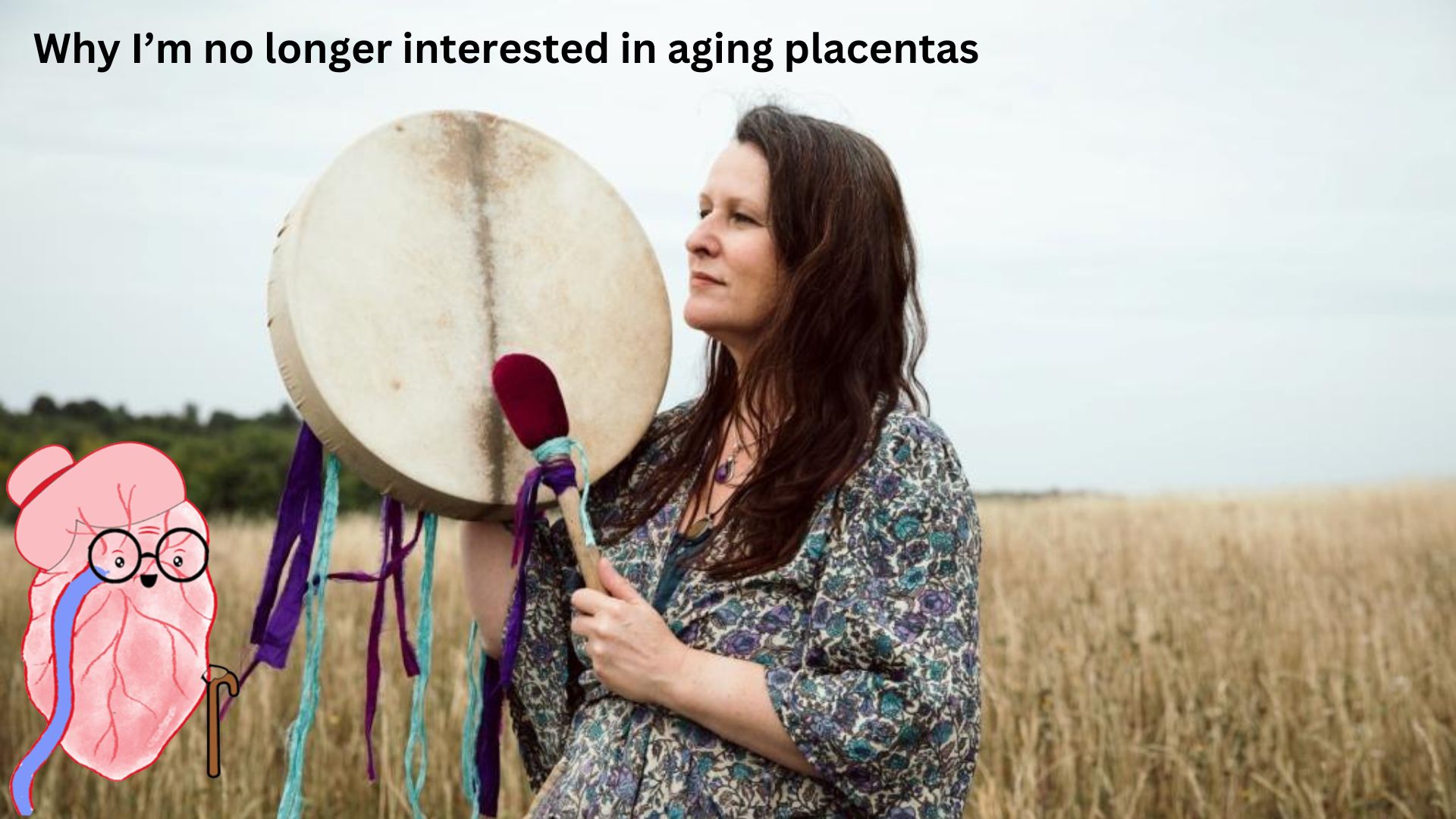
This Sunday is Imbolc, marking the beginning of Celtic spring – that threshold moment when winter hasn’t quite let go but spring is already pushing through.
Tomorrow I’m co-leading a community ceremony centred around the shift from Cailleach (the winter goddess, which I’ll embody) to Brigid, goddess of spring and midwife of new things. It’s a powerful symbol of transition, not a competition or a fight, but of of one energy bowing out gracefully so another can arrive.
The symbol that captures this time of year for me? Snowdrops.
These delicate, tiny flowers, push through dark, cold, frozen ground when nothing else dares. In French they’re called perce-neige (snow piercers). That’s exactly the energy of Imbolc: gentle but coming through anyway.
I’ll be bringing potted snowdrops to gift to people at the ceremony, I’ll bring some snowdrop essence too, and we’ll do a meditation with the drum connecting with the courageous “I’m emerging whether the conditions are perfect or not” snowdrop energy.
Here’s what I’ve learned from 6 years of co-creating Wheel of the Year ceremonies:
It’s changed how I experience the passing of time. Instead of fighting the seasons (I used to really hate winter) or barely noticing them pass, I’m actually in them. I know the wisdom of winter’s rest. I recognise spring’s emergence. I can feel the turn.
This isn’t about being more spiritual, it’s about being more present. More connected to the natural rhythms happening around and inside us. Learning from them, especially in a world that never seems to restā¦.
If bringing ceremony into your own life speaks to you:
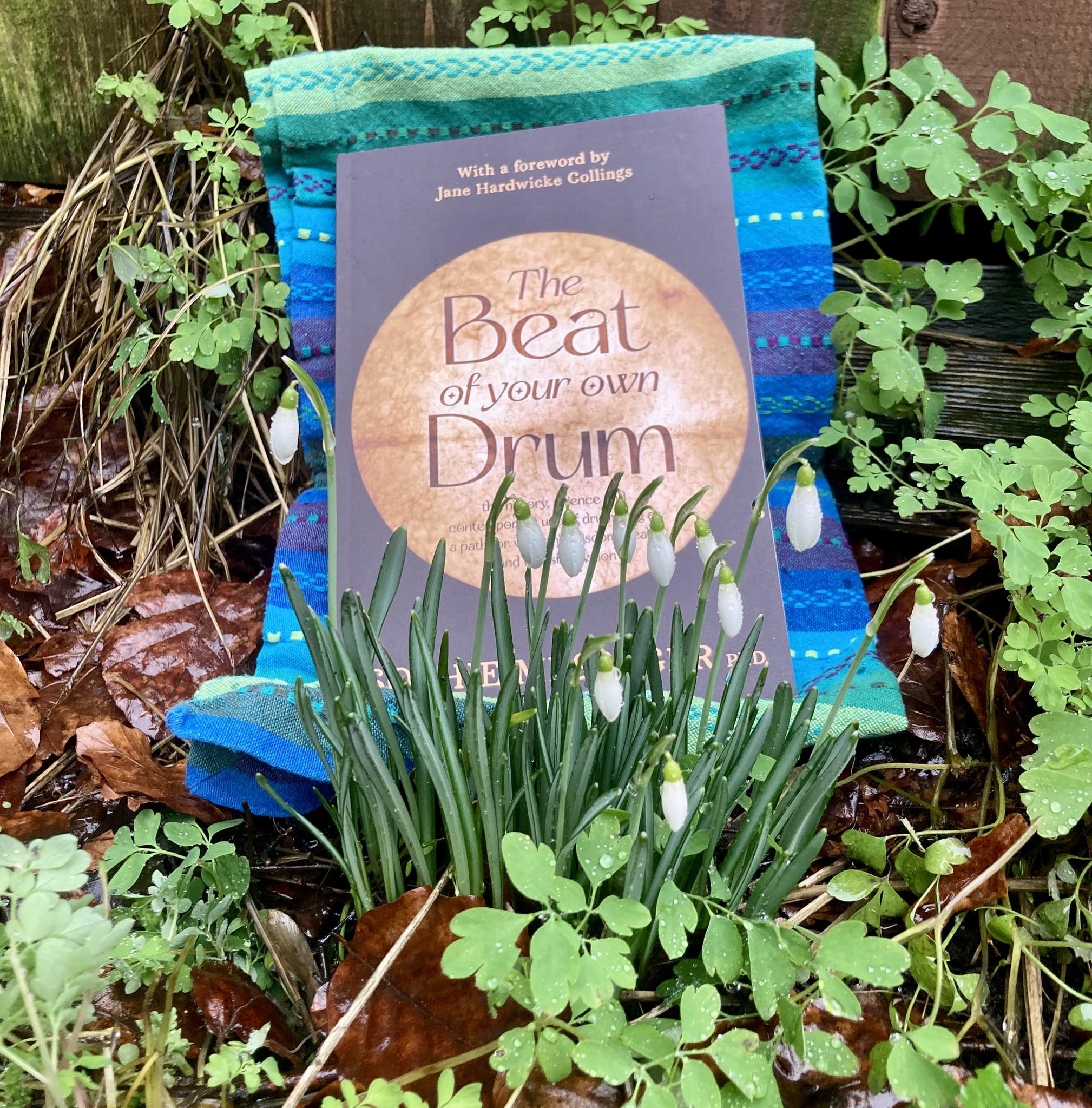
There’s a whole chapter in The Beat of Your Own Drum on drumming and ceremony – including Wheel of the Year rituals, stories, and a blueprint for creating your own ceremonies, whether you are on your own or with others.
You can attend gatherings, or you can mark Imbolc (or any threshold) with a small altar, a small ritual, a drum, five minutes, and your own intention.
What’s trying to push through for you this Imbolc? What’s your snowdrop?
For over a decade, I’ve been teaching closing the bones, a traditional postpartum ritual involving rocking, massage, and wrapping with rebozos. I’ve worked with hundreds of women, trained over 1,000 students both in person and online across 30 countries, and continuously evolved my practice through experience, training, and intuition.
Now, I’m making a significant shift. I’m moving away from teaching the full traditional sequence and focusing on what I’ve discovered is most powerful: the wrapping combined with drumming. I’m calling this new approach Wrapped in Rhythm.
This isn’t abandoning the ritual, it’s distilling it down to its most accessible, intuitive, and transformative essence. Here’s how I got here.
The Evolution: From Complex to Simple
I started teaching closing the bones in 2014. Since I first started, the way I teach has evolved continuously, not only because I trained with a wide range of people, but because my own practice evolved over time, and is still evolving.
In the early days I taught a simple hip rocking, abdominal massage, and hip wrapping process. Over time I learnt more massage techniques, and adapted some of them to make them more effective, and learnt to wrap the entire body rather than just the hips.
By practising this ritual with hundreds of women, teaching it to over 1000 students, and continuing to train with a wide range of teachers of this ritual and bodyworkers, I developed my own unique way of offering it.
Fairly early on I added drumming, because, even before I understood the way drumming slows the brain down and modifies our state of consciousness, it felt right.
There were several defining moments in my experience that changed the way I practiced. For example supporting new mothers post cesarean, and finding out that I could adapt the technique, and omit the lower abdominal massage and still provide deep healing. Another one was first during the 2020 lockdowns, when I supported new mothers in pain (read more about this here), I realised that just rocking and wrapping could still be immensely helpful (this led me to offer my closing the bones online course), and more recently when I trained with Mexican Midwife Naoli Vinaver, whilst going through a mental health crisis, I discovered how incredibly healing the wrapping alone could be. I started sharing the wrapping more widely with my local community, and this led to the ritual being done often on peopleās birthdays.
I see a similarity between this evolution and how I originally practised when I first learnt Reiki in 2003: I thought it would only work if I had at least 30 min, had the person lying down on a couch and did all the hand positions in the right order. Then I read an article from a teacher who encouraged people to do just 5 min on someone sitting on a chair if thatās all that time allowed, and discovered that it could still be powerful.
Over the last 4 years, I have done a lot of impromptu closing the bones, sometimes having no rebozos with me, and borrowing peopleās scarves, sometimes doing workshops, sometimes doing just a 10 min taster by wrapping the hips in women circles. Last year I attended a local retreat. I only had one rebozo, and I hadnāt planned to demonstrate anything but I ended up doing some impromptu wrapping because people asked me. I was amazed when a man had a very powerful emotional release when I wrapped his shoulders, and I think he was as amazed as I was. These experiences have taught me that 5 min of wrapping can be powerful in their own right.
The Drumming Deepens
I started adding drumming to the ritual in 2014, because I did a group ceremony during which a woman was drumming in the background, and it just felt right. Over the last 13 years my drumming practice has grown exponentially, from drumming during closing the bones, to training to become a Reiki drum practitioner then teacher, to drumming during births (read about that here), to publishing a article on the effect of drumming during birth in the international journal of birth and parenting education. All of this led to the writing and publishing of my second book, The beat of your own drum, the history, science and contemporary use of drumming as a path for womenās wisdom, health and transformation. As I write this Iām in the process of starting some research with Prof Joyce Harper, Professor of Reproductive Science at the Institute for Women’s Health, University College London, which we will publish.
The Power of Simplicity
In 2022, when I was in the middle of a mental health crisis, I attended a 3 day long rebozo training with Mexican midwife Naoli Vinaver. She showed us how to the closing the bones wrapping with 7 rebozos, something I was already doing. However, she showed a slightly different version of what I had been teaching. In particular she wrapped the head and eyes like a cocoon (I had been avoiding wrapping the eyes until then, believing that it might make people feel claustrophobic), and she also instructed us to tighten each rebozo until it was tight enough for the woman, then hold it until she said it was ādoneā for each wrap. The combination of the tight wrap around the head, helping me to go deeply inwards, and being wrapped and waiting until it was ādoneā felt incredibly powerful, and healing.
A couple of weeks after this training, I shared this experience with 30 of my friends in a local community retreat, and I could clearly see how powerful it was for everyone.
After this I shared it as widely as possible, and I changed the way I taught closing the bones workshops to reflect my new knowledge.
Towards the end of 2025, I got the sense that change was afoot again and that I was probably teaching the last of the current version of closing the bones in its current inception.
You see Iām someone who loves doing new things, and I like what I offer to reflect my evolution. Iāve modified my teachings to reflect my evolution countless times, forever creating new teaching plans and handouts as the practice evolves.
In November 2025, I led a large workshop at the UK convention of women drummers. Being aware that closing the bones can lead to big emotional releases, I has asked to limit my group to 30 women. However, due to venue constraints, I was asked to take half of the attendees (50 women), whilst the other half did a drumming workshop in the other hall. I asked my friend Malwina, who is also experienced in teaching closing the bones, to join me in holding the space for the workshop. It was no mean feat, and I had to bring my entire teaching stock of 47 rebozos, and ask Malwina to bring 10 extras. In the end we had 55 women attending the workshop. I shouldnāt have worried because it was utterly magical. I led women in groups of three, to wrap each other with 3 rebozos (shoulders, hips and lower legs), and then to drum over the wrapped woman. Was it because most women there were already drummers, and skilled at holding space? The energy in the room was so beautiful and healing as they worked. Thanks for over 15 years of facilitation experience, I was able to respond in real time and make changes according to what was happening in the room. I also drummed, played the flute, and sang whilst women were being wrapped. It went better than I could have imagined.Ā We even had time to show all the women how to wrap their own hips, and we finished singing and swaying in a big circle. Not only did it feel magical but I lost count of how many women came to see me after the workshop, and the following way to tell me it was life changing.
Why Wrapped in Rhythm Makes Sense
So Iāve decided to change the way I teach closing the bones, to make more room for the wrapping and the drumming. Instead of teaching a sequence of rocking, abdominal massage and wrapping, Iām going to teach the wrapping in more depth, with more options, and make more room for the drumming.
There are several reasons for this:
With my drumming work, Iām very keen to encourage women to drum intuitively rather than using set rhythms. This is because I use the drumming as a tool for self expression rather than a performance. When being asked about rhythms, I always answer that the best rhythm is an intuitive one that responds to the energy of the person drumming, or the person for whom you are drumming.
This is similar to what Naoli Vinaver said when people asked āHow fast, how long, at what amplitude should you rock or wrap the rebozoā and she always replied (something Iāve always done too): you just ask the woman!
Everything in my work currently is leaning towards more simplicity and accessibility, towards the fact that we already know what to do, we have just forgotten how to do it. In my drum circle, during one of the rounds of drumming, I ask if anybody is particularly in need of healing, then I suggest there people lie down, and that the rest of us drum over them. I purposefully do not give any instructions and people (including people who have never drummed before) always know what to do, and report that they found it incredibly powerful to find out that they can do this.
With the wrapping is it the same: contrary to the abdominal massage, which requires skill and correction, and a lot of practice to become confident, everyone can immediately do the wrapping, after just a few minutes of demonstration.
Combined together the wrapping and drumming are powerful. The wrapping provides a deep sense of nervous system safety, brings you back into the present and into your body. The drumming adds to this by putting you into a deeply relaxed state of consciousness (like a deep meditative state), and from this place, the body and mind can reset into a place of calm and grounding.
In the workshop I also want to cover both working on a mat on the floor and on massage tables so people can discover what works best for them.
With my desire to support more women to go from a place of intuitive knowing rather than structured learning,this new modality, which I called Wrapped in Rhythm, makes a lot of sense.
Moving Forward
The essence of healing doesn’t require complexity. It requires presence, intention, and trust.
By focusing on wrapping and drumming, the two elements that are most accessible, most intuitive, and most transformative, I’m honouring what I’ve learned from over a decade of practice and countless moments of discovery.
This feels like coming home to what the work has been trying to tell me all along: we already know how to heal each other. We just need to remember, to slow down, and to trust our hands and our rhythm.
The wrapping holds us. The drumming carries us. Together, they help us return to ourselves.
You may have heard of the Closing the Bones massage ritual for postpartum recovery, but did you know it can also help with healing after loss and trauma, support transitions, and soothe the nervous system, especially for neurodivergent women?
In our modern world, we often forget the power of traditional healing traditions. Closing the Bones is one of those rituals that offers deep healing beyond words. It holds space for the body, mind and spirit to come back into balance.
Rooted in traditions from all over the world, this ritual has helped women through major life changes for centuries. Itās not just for new mothers. It can help with grief, trauma, illness, and any time of beginning or ending. It provides a safe space to rest, release and reconnect with yourself.
Closing the Bones uses gentle rocking movements using scarves, massage, wrapping, and symbolic ritual. In my version, I also use texts, songs, energy healing and drumming . Itās a quiet, nourishing experience that helps people feel safe and held. The ritual can be offered one-to-one or in a group setting. Iāve offered this ritual to hundreds of women and trained over 1,000 practitioners and witnessed again and again how powerful it is.
What is Closing the Bones?
Closing the Bones is a traditional postpartum ritual. Itās best known from its South American culture origins, but versions of it exist(ed) in every continents including in Europe and other parts of the world too. It involves gently rocking the body with scarves, massaging the abdomen and chest (and sometimes the whole body), and wrapping scarves around the body in a particular sequence. In some cultures, it also includes a steam bath or sweat lodge. I always include drumming.
The ritual helps:
Physically, by bringing movement into joints, tissues and fluids
Emotionally, by offering space to rest and be witnessed
Spiritually, by marking a transition or closure and gathering back your energy
This practice supports healing during many of lifeās transitions, not just postpartum.
Here are some of the ways Iāve used it, both personally and professionally:
Menarche, Motherhood, Menopause These three big changes in a womanās life are often ignored or seen as inconvenient. But theyāre powerful rites of passage. As Jane Hardwicke Collings says: “Anything to do with women, or the feminine that is put down, ridiculed, feared, or made invisible, is a clue that it holds great power.” Closing the Bones honours and witnesses these transitions.
Conception and Fertility This ritual has helped many women on their fertility journeys. It can be used to support conception or as part of conscious conception work.
New Beginnings or Endings From marriage to divorce, career changes to birthdays, any new beginning or ending can be supported with this ritual. It creates a space to pause, reflect and honour what is changing.
Loss I have supported many women after miscarriage, abortion, stillbirth and other forms of loss. It can also help with grieving a loved one, a community, or a version of yourself. It provides a gentle and sacred space for mourning and healing. Read my article about this.
Trauma Iāve used this ritual to support healing from birth trauma, sexual trauma, accidents and emotional crises. Iāve received it myself in a very difficult time, and it made a huge difference. You can read more in my post on ADHD and the kindness boomerang.
Neurodivergence and Nervous System Support Many neurodivergent people struggle with nervous system regulation. This ritual helps the body learn what it feels like to be safe. My daughter, who is autistic, has always loved it. Only later did I realise how connected it was. The wrapping especially helps calm and contain big feelings. Itās also helped many of the neurodivergent children and adults I’ve worked with.
Recovering from Illness Whether itās chronic illness, long-term fatigue, or even end-of-life care, Closing the Bones can bring comfort and support to the body and soul.
A different approach to mental health Western models of mental health often focus only on the mind. But trauma lives in the body. This ritual helps without needing to talk. The body gets to release, integrate and find peace. Thereās no need to share your story unless you want to. Thatās one of the things people appreciate the most.
The ritual uses gentle pressure, rocking, massage and wrapping to create a sense of safety. It calms the nervous system, helps the body release stored stress and trauma, and brings deep rest. The symbolic elements, like the tightening of the scarves around the body and the drumming, help people feel a sense of completion and rebirth.
Want to learn or receive this ritual?
If you work with women or support people through big life transitions, and you want to offer this ritual, I have an in-person training coming up near Cambridge:
If youād like to receive the ritual yourself, Iām based in Cambridge, UK, and cover within a 30 min radius of my home. Iāve trained over 1,000 practitioners in person and can likely help you find someone near you.
As they say, a picture speaks a thousand words, the video below shows a taster example of what my ceremony looks like
The spring equinox marks that perfect moment of balance when day and night stand equal, inviting us to pause and reflect on balance, and opposing forces in our lives. This weekend, I’ll be leading an equinox ceremony for my local community, centred around the wisdom of plants native to our land ā this time, the humble dandelion.
Why Local Plants?
I’ve chosen to work with local plants for our ceremony because they carry the specific medicine and wisdom needed for those living on this land. There’s a beautiful reciprocity in honouring the plants that grow naturally in our immediate environment ā they’ve adapted to our specific soil, climate, and conditions, just as we have. Working with local plants connects us to the wisdom of the land in a way that imported or exotic plants/herbs simply cannot.
The plants growing around us are offering their gifts freely. By acknowledging and working with them, we deepen our relationship with the land we inhabit and strengthen our sense of belonging to place.
Dandelion: The Perfect Equinox Teacher
Dandelion embodies the balance of equinox energy perfectly. With its surprisingly deep roots reaching into the earth and its golden flower mirroring the sun above, it demonstrates the harmony between below and above, darkness and light.
During winter, dandelions store their energy in their roots, sending their life force deep into the earth. As spring arrives, this energy begins to flow upward, creating the perfect balance between grounding and outwards expansion.
Dandelion’s Healing Properties
This common weed is anything but ordinary. Dandelions offer remarkable healing properties:
Roots: Rich in inulin, dandelion roots support liver function, aid digestion, and help clear toxins from the body ā perfect for spring cleansing after winter’s heaviness.
Leaves: High in vitamins A, C, and K, potassium, calcium, and iron, the leaves act as a gentle diuretic (in my native France, they are called pissenlit, which literally translates as “pee in the bed”, because its diuretic properties) helping to reduce water retention while replenishing potassium.
Flowers: Contain antioxidants and anti-inflammatory compounds that support immune function and skin health.
Dandelion reminds us that what appears ordinary often holds extraordinary gifts ā we need only the wisdom to recognise them.
Dandelion Meditation
As part of our ceremony, I’ll be guiding a special meditation that invites participants to embody dandelion energy, feeling the balance between the grounding force of roots and the radiant expression of the golden bloom. This practice helps us recognize how we can draw upon winter’s stored wisdom while simultaneously opening to spring’s expansive potential. All you need to do is set about 5 min to sit or lie quietly and listen to it. You may want to have a notebook ready if any wisdom rises as you listen to the meditation.
Play
Dandelion Tea Ceremony
During my community’s sharing circle, as well as the meditation, I will share dandelion tea. A tea made from all parts of this remarkable plant ā dried and roasted root, fresh leaves, and flowers ā symbolising the integration of our whole selves at this balanced time of the year.
Spring Equinox Dandelion Tea
Ingredients:
1 tablespoon roasted of dandelion root (earthy, slightly bitter). You can make your own, or buy this online or in heath food shops.
1 handful of fresh dandelion leaves (green, slightly tangy)
1 handful of dandelion flowers (sweet, delicate)
Honey or lemon to taste
4 cups water
Instructions:
Gather dandelion parts from pesticide-free areas
To roast roots: Clean thoroughly, chop, and dry in a low oven (120 degrees C) until dark and fragrant
Bring water to boil in a pot
Add roasted dandelion root, reduce heat, and simmer for 10-15 minutes
Remove from heat and add leaves and flowers
Cover and steep for 5-10 minutes
Strain and serve with honey or lemon if desired
This tea supports gentle spring detoxification while nourishing the body with minerals and vitamins ā the perfect balance of cleansing and nourishing energies that mirror the equinox itself.
Honouring Life’s Thresholds
As someone who guides women through life’s major transitions, I find particular resonance in these seasonal threshold moments. The equinox teaches us that balance isn’t static ā it’s a dynamic dance between opposing forces, a momentary alignment that reminds us of our place in the cycles of nature.
By connecting with dandelion wisdom at this equinox, we learn to honour both our depths and our radiant outward expression, our roots and our blooms, our past wisdom and future potential.
May this equinox bring you perfect balance between all aspects of your being.
If you’d like to join future seasonal ceremonies, please reach out. I offer both community circles and individual mentoring for those navigating life’s significant thresholds.
In early January, I felt a familiar disconnect: while my body craved hibernation, the world buzzed with “new year, new you” messaging. This jarring contrast led me to reflect on our relationship with rest, productivity, and natural cycles – both as a scientist and as someone learning to honour my body’s wisdom, and also to offer a workshop using the drum to manage this.
The Biology behind winter rest
First let me make something clear: making resolutions in early January makes no sense on an energetic and biological level. Weāre in midwinter. It is still dark and cold. We are meant to rest at this time.Ā
Itās a fact, biologically. I did my PhD and 2 postdocs on chronobiology. Evidence shows that when nights are longer we have less energy. In fact as a species we used to work a lot harder during the time of the year when nights were short, but the advent of mass schooling (and people needing the kids back to help during the harvest) led to what we have now: holidays at a time (summer) when we need the least rest.
What Celtic Wisdom Teaches Us About Seasons
It is also a fact in nature. Just look around, nature is still mostly hibernating, even though tiny signs of Spring can already be visible. I celebrate the festivals of the celtic wheel of the year, and it would make much more sense to wait to plan goals/do resolutions etc starting from Imbolc (end of January/early February), when the energy of Spring is starting to rise.
Despite taking a really long break over Christmas, the first week when we were supposed to be back at work, I noticed that I was still very sluggish. Getting back to work after holidays is something Iāve learnt that I need to do progressively, and I did, but this was next level. I just wanted to hibernate. I did very little work that week, I just couldnāt get going.
I noticed something really interesting happening. Whilst Iāve always known in my head that winter is for rest, I still struggled with some level of guilt about not being productive that week. This I expect is due to my upbringing, and belonging to a culture that sees ābeing productiveā all the time as a sign of worth, and resting as a sign of laziness.
Nature likes balance. What comes up must go down. The cycle of growth and decay is very clearly evidence in nature. Trees donāt bear flowers or fruits all year round. But still, it is hard when the āproductivityā belief has been so ingrained in us since childhood. This also makes it hard to know when we truly need to rest or we are simply experiencing a disconnect, a resistance between our inner state and what we think we ought to be ādoingā.
That first week of January, my body simply would not let me work. So I leaned into that, and lo and behold, the following week my energy was back to a much more functional level. And projects started to pull me forward once more: this week I received the mock up of both the French translation of my first book (Why postnatal recovery matters), and of my new book about women and drumming, on the same day!
When Productivity Becomes Unsustainable: My ADHD Medication Journey
In my case, it is probably not surprising that I needed some extra rest. In July 2024 I started taking ADHD stimulant medication (Elvanse/Lisdexamfetamine). Whilst part of me loved the hyper productive experience the medication gave me (and it sure was fantastic in helping me finish my book in time), by September, I started noticing that I was working at a level that wasnāt natural or sustainable. I was working at a constant level. There were no ādown daysāĀ , something that used to be normal for me. I not only finished the book about drumming, and did all the edits and corrections, but I also finished correcting the French translation of my first book, and also did all the work to launch my first group program.
In September I experienced constant bleeding, which led me to stop taking HRT after 18 months (when I look back, this was probably also related to overworking). By November I was also experiencing severe gut symptoms. When I meditated with my gut, the answer came loud and clear: you need to slow down. I did not really want to but the symptoms were severe enough for me not to be able to ignore them. It was as if my gut was literally screaming at me.Ā
After researching the subject and finding evidence that there is a link between the meds I was taking and the symptoms I was experiencing, I decided to stop taking the ADHD meds, and did so at the end of November.Ā I also took healing herbs and saw a homeopath, but listening to my bodyās cry for rest really felt key. I was prescribed typical Western medicine, drugs that I knew would not heal, but just put a temporary lid on my symptoms, and also stop me from listening to my bodyās needs.
So I slowed right down, winding my work from early December onwards, and stopping completely by mid December, and really not properly resuming a sense of readiness to work until mid January. When I look back, having spent 5 months working at an abnormally high pace, itās not surprising that I would need a much longer break than normal to recover.
Learning to Listen: The Different Faces of Rest
Now that Iām meds free, I’m back to having my normal ebb and flow, with the ups days and the down days. Iām working at trusting the wisdom of that. I know that, in typical ADHD fashion, when I get up on days I often accomplish several days of work in a few hours. And I need to trust and lean into the down days (I call them āfuck-itā days-and usually give up on trying to work and do something nourishing instead).
However, I also experience procrastination that is not down to having an energetic down day. Itās more that there is something blocking me underneath. A sense of stagnancy, of stuckness.Ā
I feel itās really important to be able to distinguish between the two: is this really my body trying to tell me to rest, or am I running away from something uncomfortable? The two feel completely different. The key is to lean into the embodied experience.
Finding Flow Through Rhythm: How Drumming Breaks Stagnation
When I am procrastinating, the one thing that seems to help me faster than any other tools Iāve tried is my drum. Whenever Iām experiencing resistance or feeling stuck, I put a timer on for 5 min and play my drum. Itās amazing how quickly it shifts me from stuck more into movement and ideas. I also often listen to some drumming tracks designed to modify my consciousness/state of mind whilst working/getting started.
Conclusion
As we navigate the pressure to maintain constant productivity, perhaps the greatest wisdom lies in trusting our natural rhythms. Whether it’s honouring winter’s call for rest or using tools like drumming to move through genuine blocks, the key is learning to distinguish between our body’s true needs and conditioned resistance. This journey has taught me that productivity isn’t about maintaining constant output, but about flowing with our natural cycles.
I am aware that many of us are experiencing similar issues to the ones I describe above at this moment in time and feeling difficulties in getting going. I’d love to hear what your experience has been.
If you’ve been following my blog since 2017, you’ll know I love doing these year-end reviews – they’re like a public reflective diary, helping me process and share my journey. For about five years now, I’ve also chosen a word for the upcoming year, using an intuitive process that helps me connect with what support I need and how I want to feel. (I’ll share a guided drum journey below so you can find yours too!)
My word for 2024 was “Guidance” – and boy did the universe deliver! They say be careful what you wish for, and this year brought guidance in ways I never expected, consuming most of my energy and focus throughout the entire year.
Building a support system: My access to work journey
One of the biggest changes this year came through successfully applying for an Access to Work grant. Since ADHD is classified as a disability in the UK, I was eligible – but this journey wasn’t one I could navigate alone. For someone with ADHD, where admin and paperwork are my nemesis, the process felt particularly challenging, especially since government systems seem designed to be hardest for those they’re meant to help.
I was fortunate to have amazing support: my neurodivergent coach Kanan helped draft the initial application and body-doubled with me for the submission. Then came the team at This is Me agency. They were instrumental in helping me map out my support worker needs, advocating during DWP calls (which significantly reduced my anxiety), and tackling the mountain of paperwork – including gathering 24 different quotes from potential support workers!
The grant approval was both exciting and overwhelming. I received funding for 14 hours of weekly support worker time, ADHD coaching sessions, and equipment like noise-cancelling headphones and a Remarkable tablet. But then came the challenge: how to recruit and manage all these people? Classic ADHD paralysis hit me hard, and it took weeks to actually implement the support. Looking back, I wish I’d reached out to the agency about feeling overwhelmed and prioritised finding the right VA first to help coordinate everything/everyone else.Ā
Building my support team
My first hire was a professional declutterer, who visits weekly. Working with her has been revelatory – finally helping me understand why I could never tackle the chaos alone (and helping me kick out both the shame and the delusion around not being able do it alone). She doesn’t just help organise; she measures spaces and tells exactly what storage solutions to use to prevent clutter from returning. A year on, my desk no longer holds its infamous “pile of doom,” and for the first time in years, I’m not frantically clearing space before my family visits for the holidays. The fact that we’re only halfway through the process after a year shows just how much support I needed.
Finding Rosslyn, my VA who specialises in supporting people with ADHD, was another game-changer. Instead of overwhelming me with procedure documents and systems, she worked with me gradually to build processes that actually work for my brain. She’s helped identify other crucial support needs, like a website manager and bookkeeper, making my business more streamlined and automated. I was lucky to have had my grant renewed for the coming year too (albeit at a lower rate), which means that I’ll be able to complete the many projects I started.
Professional evolution: learning, growing, teaching
The Business Side
Working with conscious marketing mentors has been a key part of my journey since 2021. I’ve found that being held in a container of like-minded, heart-based entrepreneurs helps keep me accountable. After three enriching years with George Kao, I sought someone who better matched my needs: Europe-based (for more compatible time zones – I’m a morning person), a woman balancing motherhood with business, and offering affordable mentoring with the same conscious/authentic values. Through George’s community, I found Caroline Leon, whose smaller group size and understanding of work-life balance was exactly what I needed.
Under Caroline’s guidance, I created my first proper business plan in over 11 years of self-employment. While I set some overly ambitious financial goals without accounting for the time needed for Access to Work implementation and personal development, I see this not as a failure but as valuable learning.
Looking at what I did accomplish this year:
Teaching: 6 in-person courses spanning intuitive drumming, closing the bones, postnatal recovery massage, and rebozo techniques for NHS midwives
Community work: I led 13 drum circles and co-facilitated 8 wheel of the year ceremonies
One-to-one support: I did 16 closing the bones massages/healing sessions and about as many mentoring sessions.
Online courses: I welcomed 142 new students to my courses and ran 3 online masterclassesĀ
Workshop: I ran a new online one about overcoming impostor syndrome.
Plant medicine: I ran an evening of connection with the spirit of Mugwort
Content creation: I wrote and published 32 blog posts, sent 20 newsletters, shared over 180 social media posts, and recorded 6 podcast interview
Major milestones
The highlight of my year was completing my book about drumming as a tool for women’s empowerment – twice the size of my first book, Why Postnatal Recovery Matters. True to my ADHD style, I wrote most of it in an intense six-week sprint before the publisher’s deadline! The book will be published by Womancraft in September 2025, with US distribution through Red Wheel.
This year saw me stepping into new and bigger spaces, delivering drumming demonstrations at two midwifery conferences and speaking about women’s life transitions at the convention of women drummers. I taught my first intuitive drumming course, incorporating rites of passage work around menarche and motherhood – a profound and powerful experience.
Beautiful “failures” and their gifts
My attempt to launch a group program for creating calm and overcoming overwhelm didn’t attract participants despite thorough preparation: market research interviews, content creation, and technical setup. Yet instead of disappointment, I felt relief. This “failure” revealed that I was meant to offer something deeper – focusing on helping sensitive, holistic, heart-centered women reclaim their power in more profound ways.
Personal growth and healing: a journey to wholeness
Finding deep support
After supporting my child through mental health challenges and experiencing my own struggles, I knew I needed something different from traditional support systems. The NHS counselling I received in Autumn 2023 provided zero relief, leading me to seek alternatives that aligned with my holistic understanding of healing.
My experience with the NHS’s approach to mental health – both for my child and myself – highlighted a fundamental flaw in modern healthcare. As Josh Schrei beautifully puts it in his podcast The Emerald, “if a plant was sick we wouldn’t say it has ‘wilting syndrome’, we would ask if it’s getting enough food, water, sunshine.”
Another quote that really exemplifies the narrow, mechanistic view of the modern mental health approach, which ignores our need for community, belonging, and connection, is this one (from an article about Western talking therapists who were sent to support people in Rwanda after the genocide).Ā Ā
āTheir practice did not involve being outside in the sun where you begin to feel better. There was no music or drumming to get your blood flowing again. There was no sense that everyone had taken the day off so that the entire community could come together to try to lift you up and bring you back to joy. Instead, they would take people one at a time into these dingy little rooms and have them sit around for an hour or so and talk about bad things that had happened to them. We had to ask them to leaveāĀ
I found my answer in a therapist who bridges psychotherapy and shamanic practice. His two-hour sessions (so much more effective than the standard 50-minute format) provided more healing in a few weeks than months of conventional therapy. By May, I was experiencing a level of peace and spaciousness I hadn’t felt in years – a feeling that continues to deepen.
The medication journey
This year brought interesting experiments with different forms of support. As I wrote my book, I discovered the power of “microdosing drumming” – just 5 minutes daily – which created similar positive thought pattern changes to my previous experiences with microdosing mushrooms. This practice, along with pre-recorded therapeutic drum tracks, became crucial tools in my wellbeing toolkit.
The HRT chapter
Ā My journey with HRT, which began in 2023 to soothe my nervous system, took an unexpected turn. I started experiencing concerning side effects that echoed my previous experiences with hormonal contraception in the past. After being fast-tracked to the cancer clinic due to constant bleeding, I made the conscious choice to stop.
Whilst HRT supported my nervous system back towards balance at a time of desperation, feels like it somehow paused my menopause process. However, now that Iāve stopped, I feel like I wasnāt my true self during the 18 months I took it. It feels a bit like an epidural during labour: yes you no longer feel the pain, but you can also no longer feel the power.
Stopping HRT led to increased energy and a stronger connection to my power. As Jane Hardwicke Collings explains, oestrogen is the “hormone of accommodation” – it can make us more pleasant and accommodating but might also dampen our true power. Without it, I’ve rediscovered my authentic voice and strength.
The ADHD medication experience
My experience with ADHD medication was equally enlightening. While the medicine I was prescribed, Elvanse, helped tremendously with focus and motivation, particularly in finishing my book, I could sense that I wasnāt being entirely myself, and something told me that the increased productivity wasn’t sustainable long-term. When serious digestive issues arose, and I meditated on it, my body’s message was clear: “slow down.”
Listening to this wisdom, I chose to stop the medication after 5 months, and embrace a slower pace, particularly during the winter months when nature itself calls for rest. This decision feels deeply aligned with my body’s needs and the natural rhythms of nature.
Embracing winter’s wisdom and looking forward
Winter solstice reflectionsĀ
Last week, co-creating our winter solstice ceremony with friends brought a profound realisation: for the first time, I’m not just enduring the dark season but discovering its beauty. I can appreciate the starkness of winter while quietly celebrating that the light will soon return. Our ceremony will honour both the necessary stillness of darkness and the promise of returning light – a perfect metaphor for my own journey this year.
The power of slowing down
My decision to work quietly through December and take an extended break (December 19th to January 6th) feels aligned with winter’s energy. This slower pace, matching the season when nature herself rests, brings a deep sense of rightness. It’s a conscious choice to honour natural rhythms rather than pushing against them.
Plants and animals donāt fight the winter; they donāt pretend itās not happening and attempt to carry on living the same lives that they lived in the summer. They prepare. They adapt. They perform extraordinary acts of metamorphosis to get them through. Winter is a time of withdrawing from the world, maximising scant resources, carrying out acts of brutal efficiency and vanishing from sight; but thatās where the transformation occurs. Winter is not the death of the life cycle, but its crucible. Katherine May, from the book Wintering
Vision for 2025
Stepping into power
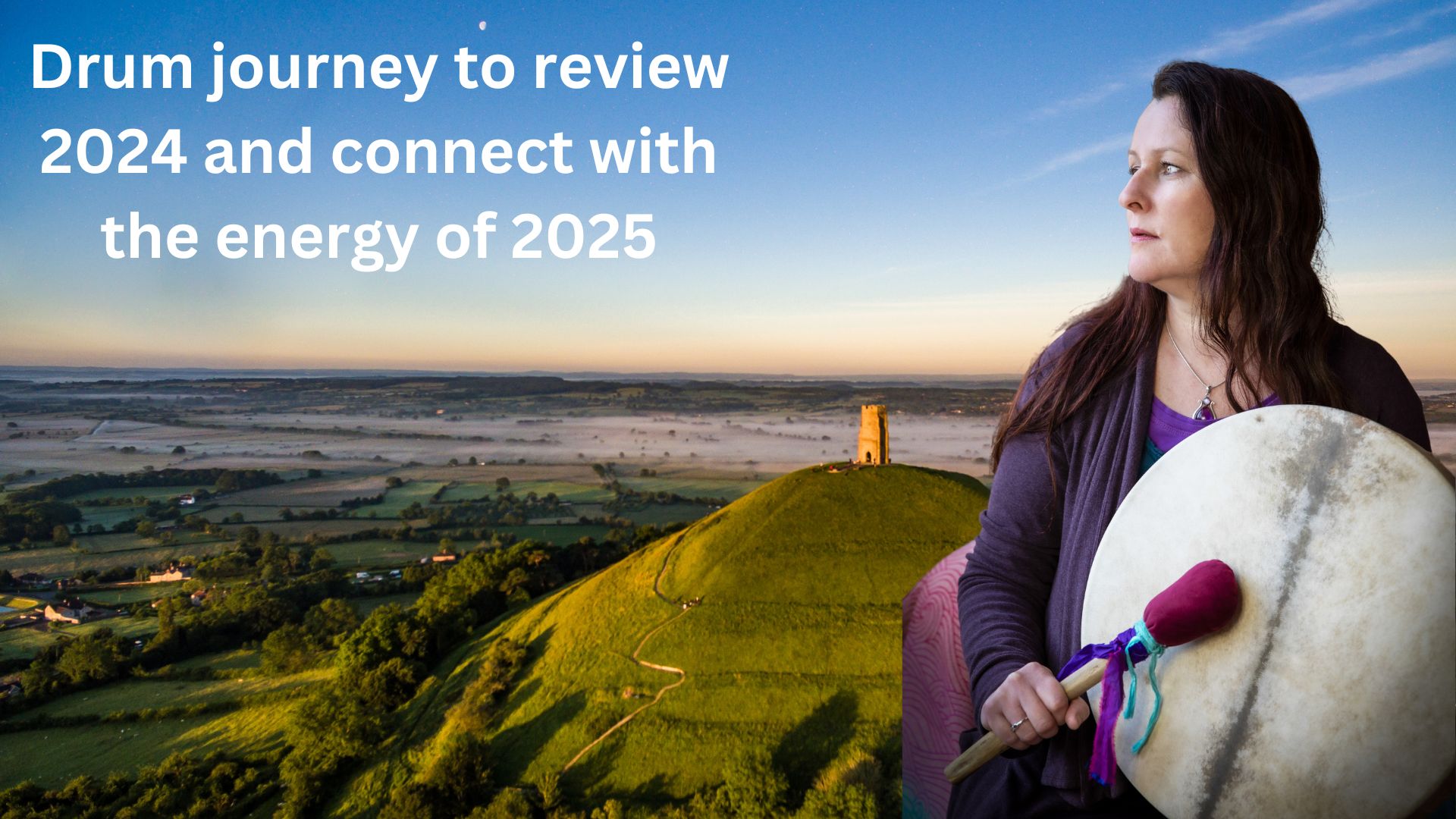
Ā Having recorded a drum journey for reviewing 2024 and connecting with 2025’s energy (which I’m sharing with you below), I feel a clear shift emerging. 2025 calls me to fully step into my power as a menopausal woman and mentor. This power has been rising steadily since stopping HRT, and it feels like perfect timing with my new book about drumming and women’s wisdom being published next year.
I feel called to support other women in accessing their own power and wisdom, contributing to raising humanity’s consciousness. We can no longer thrive while disconnected from nature, community, and what makes our hearts sing. There’s an urgent need to create new frameworks beyond our current constraints.
My 2024 word was Guidance, and it served its purpose beautifully, bringing me exactly the support and direction I needed. For 2025, my word is Power. It’s about embracing my authentic strength and using it to support others to do the same and create positive change in the world.
Closing invitation
As we stand at this threshold between years, I invite you to join me in this reflective practice. Below you’ll find the recorded drum journey to help you review 2024 and connect with the energy of 2025. Now isn’t the time for rational goal-setting, but rather for dreaming and listening to your inner wisdom. Whether you’re seeking to reflect on the past year, find a word for the coming year or simply wanting to connect more deeply with your own truth, the drum is here to guide you.
Remember, this turning of the year is not about forcing change or setting rigid resolutions. It’s about listening deeply, honouring your journey, and allowing your authentic power to emerge naturally – just as nature knows exactly when to rest and when to bloom.
We are approaching the winter solstice, a time of rest, pause, and reflection
In Celtic traditions, the Winter Solstice (around December 21st) holds deep significance as it marks the longest night of the year and the rebirth of the sun. It represents a turning point in the natural cycle, where the darkest days give way to the return of light. This is a time of reflection, renewal, and hope as the sun begins its gradual ascent again, heralding the return of longer days.
The Winter Solstice is celebrated with rituals that honour the darkness and the return of the sun, often involving pauses to reflect on the darkness, spirals of light, and the lighting of fires.
It is a sacred time and a reminder of the cyclical nature of life.
“I stand at the threshold of the longest night, In the stillness where darkness and light entwine, Where time pauses, and the world holds its breathāI call upon the sacred power of this moment.
I honor the deep darkness, Not as an absence, but as a wombāA sacred space where all life is conceived, Where dreams take root in the fertile soil of silence.
I welcome the return of the light, The promise of rebirth and renewal. As the sun begins its journey back toward us, I open my heart to the warmth and the wonder of new beginnings.
In this pause, I listen to the whispers of my soul, To the quiet stirrings of the dreams and desires within, Nurturing the seeds of creation that long to be born. I tend them with care, with faith, and with love.”
Winter solsticeĀ is a period of both quiet reflection and joyful anticipation, as nature begins its slow transformation towards the awakening of spring. The turning of the wheel of the year from the longest night to the gradual return of light holds special meaning.
At this time,Ā I am offering you a guided drum journey to reflect on 2024, and connect with the energy of what 2025 might have in store for you.
I love this process because it is energetic and heart centred, and more intuitive and joyful than trying to do it with only rationality and goals in mind.
Through the pulse of the drum, we reconnect with ancestral wisdom celebrating the sacred pause of winter, the time between times, before the light returns again . This festival reminds us of the eternal cycle ā life getting ready to emerge from winter’s sleep, embodying nature’s regenerative power, and cycles of death and rebirth.
Join this drum journey to reflect on the past and tune into the future.Ā Just set aside 15 min where you can relax sitting or lying down, and enjoy the soothing beats of my Stag drum which was made in ceremony in Glastonbury. If you take this journey I would love to hear what you think. Just comment below.
In the hedgerows and wild spaces of the UK (and many other places in the world) grows a plant with a rich tapestry of history, healing, and mysticism. Mugwort, also known as Cronewort, has been a faithful companion to women for centuries, its very name whispering of wisdom and ancient power. This unassuming herb, with its silvery-green leaves and subtle fragrance, holds within it the legacy of Artemis, Greek goddess of the moon and protector of women. From supporting menstrual health to easing childbirth and navigating the tides of menopause, mugwort stands ready as a plant ally for women at every stage of life.
Join me as I explore the multifaceted world of mugwort – its medicinal properties, spiritual significance, and the timeless connection it offers to the cycles of nature and womanhood.
Introduction
I first developed a deep longing to work with mugwort whilst working as a doula, after I discovered the link between this herb and birth. I spent several weeks searching for it in my local area, without success (I was looking in the wrong places: Mugwort likes scrubby land). Then, as fate would have it, I found a large clump of it growing on a building site right in front of my local birth centre, on my way out from a beautiful birth. I gathered some, and started drinking mugwort tea, drying it, making dream pillows and smudge sticks with it.
Mugwort was called the āmother of herbsā in the Middle Ages.
“Mugwort possesses both natural and supernatural qualities. [It] excels as a women’s herb, easing the pain of labor, menstrual cramps, and effectively treating various uterine complaints.” Gai Stern
From the Anglo-Saxon era, it was part of the nine herbs charm:
āRemember Mugwort, what you foretold,
What you revealed in the great proclamation.
Una you were, the oldest of herbs
Mightier than the three, Mightier than the thirty
Mightier than sickness and infection
And mightier than the dark shadow that roaves across the land.ā
What is Mugwort?
Mugwort (Artemisia vulgaris) is a perennial herb native to Europe, Asia, and North Africa. It has been used for centuries in traditional medicine practices around the world. The leaves and stems are typically used in herbal preparations.
The very name of mugwort whispers of its ancient power. Its latin name Artemisia (Artemisia Vulgaris) echoes the name of Artemis, the Greek goddess of the moon. Artemis was the protector of women, watching over them as they journeyed through life’s great transitions. From a girl’s first blood, to the intensity of childbirth, to the wisdom of the menopausal years, Artemis stood guard. And so does her herb, mugwort. This connection isn’t just coincidence – it’s a clue, written in the language of plants and stars, telling us how this humble herb can support women. Like the goddess herself, mugwort offers its gifts at each stage of a woman’s life. It’s a plant ally, ready to lend its strength during those powerful moments when a woman’s body and spirit are changing.
What is it used for?
Mugwort has been studied and used for many years in traditional medicine. A review paper from 2020 and another from 2012 describe it to have several health benefits:
Protect cells from damage and help fight diseases caused by this damage.
Lower cholesterol and fat levels in the blood.
Protect the liver and reduce inflammation.
Relax muscles in the gut and airways, potentially easing stomach issues and breathing problems.
Provide pain relief.
Reduce anxiety/affect brain chemicals in a way that may help with mood.
Treat bladder problems, irregular periods, menopause symptoms, and issues with the nervous system.
Shows potential in fighting bacteria, fungi, allergies, malaria, and worms in the gut.
Mugwort is also considered a substitute for cannabis. When being smoked, it exhibits mild intoxicating properties and strong relaxing properties.
Accounts from various herbalists also explain that it is used to treat menstrual problems and menstrual pain, as well as being used to induce labour, to treat the pain of labour contractions, and as an abortifacient.
Mugwort has been used topically to address fungal infections and inflammation of the skin. It can be applied as a tea, vinegar tincture, compress, or incorporated into salves.
In traditional Chinese medicinemugwort is primarily used for moxibustion to stimulate blood flow and qi. Moxa sticks are made from dried mugwort leaves, tightly rolled into a cigar-like shape. The fluff present under Mugwort leaves gives it tinder fungus-like properties (when I tried to grind dried mugwort into powder to make biscuits, I got a very fluffy powder). Moxa sticks are used to apply heat to specific acupuncture points or areas of the body. The stick is lit and held near the skin, to warm the area. Using moxa sticks can stimulate circulation, promote healing, reduce pain and balance energy in the body. To turn a breech baby, they are used on an acupuncture point on the little toe. Birth Workers are familiar with the term moxibustion, which is when a moxa stick is used to help turn a breech baby.
Mugwort was also used as a substitute for tea, which was too expensive for the working classes, in 19th century Cornwall.
The dried flowering plant was decocted with malt liquor and added to beer for flavour before the introduction of hops into beer-making at the end of the 15th century (Tobin 2011)
Spiritual uses
Mugwort is used to induce lucid dreaming, its effects on the nervous system extend beyond dreaming. Herbalist David Hoffman writes, ā[Mugwort] has a mild nervine action, which also appears to be related to volatile oil content, that may help ease depression and tension.ā. It is also said to increase intuition.
In shamanistic cultures, it was used to facilitate communication with ancestors and the spirit world.
Mugwort has long been a trusted ally in spiritual cleansing rituals, usually by burning bundles of the dried herbs and using it to cleanse someone or a space. The act of smudging isn’t just about clearing out stale energies – it’s an invitation for fresh, vibrant energy to flow in.
Mugwort can be burned as incense or smoked to ease into deeper meditation or trance states. When we sit in meditation with mugwort nearby, whether as a tea, a burning smudge stick, or simply a sprig in our hands, we’re tapping into the plantās wisdom, helping to quiet the chatter of our minds and open doorways to our intuition.
Mugwort can act as a bridge between our everyday selves and the realm of spirit. It doesn’t demand grand gestures or complex rituals. Instead, it offers its gifts simply and generously, helping us find that elusive sense of peace and connection we all yearn for.
How does it work?
Mugwort contains many compounds, particularly monoterpenoids and sesquiterpenoids which can help relieve pain, reduce inflammation, and decrease anxiety. These compounds work by interacting with specific receptors in the body, affecting how we sense pain and heat. They can also reduce inflammation by influencing various processes in the body, such as the production of inflammatory substances.
Some flavonoids, which are another type of mugwort compound, are also mentioned as having anti-inflammatory properties.
How is it taken?
Mugwort is commonly consumed or applied as a tea, tincture, compress, oil, infused wine, or infused oil. Some herbalists also use mugwort in smoke blends.
To make the tea, use a handful of fresh leaves or 1-2 teaspoons of dried herb per cup of boiling water. Sweeten if desired.
Mugwort history, folklore and magic
Mugwort was known as the witchās herb. Historically, it was placed by the door of the local witch, healer, and midwife.
Mugwort is believed to have a strong connection to the spirit world and is often used to protect against negative energies and spirits. The dried herb is burnt in bundles, known as smudge sticks, to clear spaces or peopleās energy fields, and provide protection.
According to this Art of the Root article, āMugwort was integral to the ancient Greek understanding of lunar cycles, fertility, divination, and protection. The Romans similarly revered mugwort, with soldiers and travellers often placing it into their shoes for safety and to ward off exhaustion. The Chinese revered this herb for its perceived ability to repel malevolent spirits, prevent diseases, and bestow blessings in the home. The Anglo-Saxons, too, considered mugwort as one of the “Nine Sacred Herbs,” incorporating it into their healing charms and many other spiritual practices.ā
“…known to many as a herb of magic, cronewort allows us to live in several worlds at once, expanding and nourishing the habit of drawing our gaze before us to that which is visible, and behind us to that which is invisible. Regular use of cronewort in tea or extract strengthens our ability to absorb intuitive information as we preserve an aspect of sharpness in our interaction with the complex, topside world.”
ā- Judith Berger, Herbal Rituals
Mugwort was used during celebrations on St Johnās day in both the UK and Europe (which corresponds to the Summer Solstice before Christianity renamed it).
The name “fire herb” comes from a mediaeval tradition where mugwort was worn in rosaries during the Feast of St. John. It was believed that looking through sheaves of mugwort while wearing this rosary protected the eyes and general health for the coming year. Wearing mugwort was thought to provide protection from evil spirits, poison, water, fire, and all harm. People also hung mugwort in their homes.
In the 18th century, in Normandy, mugwort was used to dye wool in shades of “musk” and “olive.” However, this plant did not generate much interest among dyers, except for some uses in Northern Europe.
Conclusion
Mugwort embodies the intersection of the physical and spiritual realms. This humble herb, which grows quietly along roadsides and in forgotten corners, carries within it the wisdom of countless generations of women healers, midwives, and wise ones. Whether used as a healing tea, a protective charm, or a gateway to intuitive realms, mugwort continues to offer its gifts to those who seek them.
In reconnecting with this ancient ally, we not only tap into a wealth of potential health benefits but also rekindle our connection to the natural world and the cyclic wisdom of our bodies. As we face the challenges of modern life, perhaps it’s time to look again at the plants that grow around us, and to welcome the gentle, powerful magic of mugwort back into our lives and practices.
āThere is no herb that I know of, more imbued with folklore and superstition than mugwort, a plant for which I have a deep affinity likely due to my belief in the magical properties of plants. It is an ancient magical herb with curative and divinatory properties, bearing a special value in feminine disorders and warmly strengthening the bodyā. Outdoor apothecary
In Celtic traditions, we used to celebrate 8 festivals during the year: the 2 equinoxes, the 2 solstices and the 4 times in between.
Samhain (Oct 31st) ā This marks the Celtic New Year and is considered the most important festival. Itās a time to honour the dead and the start of the dark half of the year.
Winter Solstice (Around Dec 21st) ā Celebrates the rebirth of the Sun as the days begin growing longer again after the longest night.
Imbolc (Feb 1st) ā An early spring festival associated with the first signs of spring and lactating ewes. Celebrates the returning fertility of the earth.
Spring Equinox (Around Mar 21st) ā Marking the beginning of the fertile spring season when day and night are equal lengths.
Beltane (May 1st) ā A celebration of the full bloom of spring and the fertility of the earth. Traditions include bonfires and May pole dances.
Summer Solstice (Around June 21st) ā Celebrating the longest day of the year and the power of the life-giving sun.
Lughnasadh (Aug 1st) ā The first of the three autumn harvest festivals, marking the beginning of the harvest season.
Autumn Equinox (Around Sept 21st) ā The second harvest festival, signalling the start of autumn when day and night are again equal.
These eight festivals formed the basis of the ancient Celtic calendar system and marked the key points in the agricultural year.
In Celtic traditions, the summer solstice (around June 21st) was one of the most important seasonal festivals celebrated. It marked the longest day of the year and the height of the sun’s power and brightness. The summer solstice was a celebration of the fertility of the earth and the blossoming of nature in full bloom during the summer months. It signified the transition from spring into the bountiful summer season.
Common solstice traditions included lighting huge bonfires, as well as feasting, music, and general merriment.
The summer solstice is a powerful and sacred time that honours the life-giving force of the sun at its peak. Celebrations often have an air of passion, wildness, and connectivity to the fertile cycles of the natural world. It is a joyous fire festival about the vibrancy of summer’s arrival.
It is also a time which makes the days starting to decrease again as we turn towards the darkest part of the year once more.
Summer solstice fires burning bright
Spring returns with warmth and light
Summer blooms in full array
Drummers sounds on longest day.
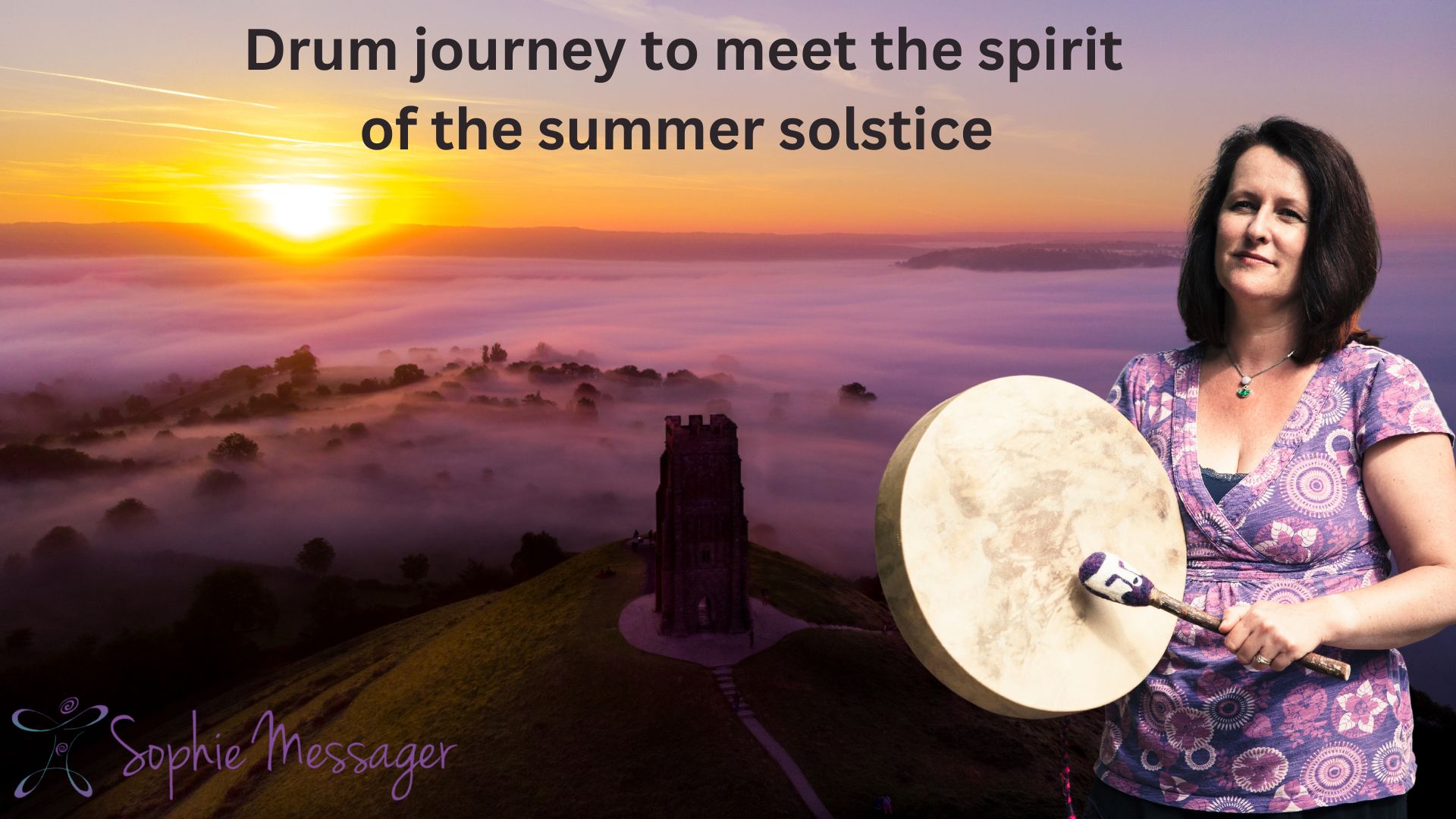
I’m back from a wonderful drum birthing pilgrimage in Glastonbury. I made a higher heart of avalon drum there, with a hoop made of oak and hide made of Stag. We blessed and bathed in private ceremony in the white spring, crafted out drums in the Avalon room near the goddess temple, and finally took our new drums to the Chalice well and the Tor, presenting them to the directions there. I have recorded this journey with this new drum. May its energy help bring more peace in your heart.
On this day, I am offering you a guided drum journey to meet the spirit of the summer solstice, one where you can ask questions and gain wisdom about the energies of this time of the year. Where you can, maybe, reflect on the balance of dark and light in your life.
Through the pulse of the drum, we reconnect with ancestral wisdom celebrating the summer solstice. This festival reminds us of the eternal cycle ā life emerging from winter’s sleep, embodying nature’s regenerative power, and cycles of death and rebirth.
Join this drum journey honouring the summer solstice. Let the rhythms awaken our inner light and power, clearing stagnation as summer’s energy rises.Ā Just set aside 15 min where you can relax sitting or lying down, and enjoy.If you take this journey I would love to hear what you think. Just comment below.
You may have heard of the closing the bones massage ritual for postpartum recovery, but did you know that it also supports healing loss and trauma, supports endings and beginning through lifeās transitions & helps regulate the nervous system, including for people who are neurodivergent?
In our modern times, we often overlook the profound wisdom of ancient healing traditions passed down over generations. The closing the bones ritual offers a transformative path to healing that transcends physical and emotional boundaries.
Rooted in diverse cultural practices worldwide, this powerful ritual has supported women through life’s most pivotal transitions and traumas for centuries. From the journey of motherhood to experiences of loss, it provides a nurturing space to process, integrate and heal mind, body and spirit.
But this ritual’s impact extends far beyond the postpartum period. It offers a unique approach to supporting mental health, emotional wellbeing and overall vitality. Through gentle movements, symbolic elements and connection to the body’s wisdom, it empowers women to reclaim their bodies as vessels for healing.
Prepare to be captivated as you discover how this ancient tradition is profoundly relevant in today’s world in supporting women through every facet of their life’s journey.
What is closing the bones?
Closing the bones is a traditional postpartum massage ritual. It is mostly known for its Mexican and South American roots, but versions of it exist (or used to exist) on all continents (including in Europe).
A closing the bones ritual involves the rocking of the body using scarves, a massage of the abdomen and chest (and sometimes the whole body), and a sequence of tightening scarves around the body. Some traditions also add a steam bath or sweat lodge. I use drumming in my rituals as well.
A closing the bones massage supports healing:
Physically, by providing movement in the joints, muscles, tissues and fluids.
Emotionally, by providing space to rest, be witnessed and held safely, as well as for emotions to be honoured and released.
Spiritually, by providing closure, a space to let go of what was, and bringing energy back to the person receiving it.
I have written many posts on closing the bones and you can find them below:
A closing the bones ritual holds immense significance beyond the postpartum period, serving as a profound way to honour and facilitate healing through various transitions and rites of passage in a woman’s life. Rituals play a vital role in these contexts, as they provide a sacred and intentional space for individuals to process and integrate profound experiences.
In our modern culture, where life’s significant milestones are often overlooked or minimised, rituals offer a much-needed opportunity to pause, reflect, and honour the depth of these transformative moments. They create a container for personal growth, healing, and transformation, allowing individuals to navigate life’s transitions with intention and reverence.
Rituals have the power to calm the nervous system and facilitate a sense of grounding and connection. By incorporating symbolic elements, movements, and practices that resonate with the individual, rituals tap into the depths of our collective unconscious, providing a sense of meaning and belonging. This can be particularly powerful during times of trauma or upheaval, as rituals offer a structured and supportive framework for processing and integrating difficult experiences.
Rituals also foster a sense of community and shared understanding. They create a space for individuals to come together, share their experiences, and offer mutual support and validation. This communal aspect is particularly relevant in the context of life transitions, where individuals may feel isolated or disconnected from their support systems. What is true for the lack of support women experience in the modern world during the postpartum period is also true during other significant life transitions.
By embracing rituals like closing the bones, we reclaim a sense of sacredness and reverence for the journeys that women undertake throughout their lives. These rituals serve as a bridge between the physical and spiritual realms, honouring the profound transformations that occur within the body, mind, and spirit. They offer a space for healing, integration, and celebration, reminding us of the intrinsic value and beauty of life’s transitions and the growth that can emerge from them.
Important life transitions times during womenās lives include:
Menarche, Motherhood, Menopause
Conception and fertility
New beginnings or endings
Loss: baby loss (miscarriage,Ā abortion stillbirth), and any form loss
Trauma (birth trauma, sexual trauma, shockā¦)
Regulating nervvous system overwhelm (especially helpful for neurodivergent women)
Recovering from illness
Menarche, Motherhood, Menopause
The 3 big transitions of a womanās life, adolescence, matrescense and sagescence, are systematically dismissed, shamed, downplayed, feared, presented as only scary and/or inconvenient, andĀ in modern cultures instead of the powerful rite of passage that they are.
As Jane Hardwicke Collings says āAnything to do with women, or the feminine that is put down, ridiculed, feared, or made invisible, is a clue that it holds great power. Think menstrual blood, think childbirth, think menopauseā¦ā
A closing the bones ritual (especially one held in ceremony with a group of other women) provides a way to empower, witness and honour these passages.
Conception and fertility
Not only is this ritual a powerful healing experience for the postpartum but I have plenty of personal experience (and other practitioners too) of women overcoming fertility issues after this ritual. It can also be part of a conscious conception process.
New beginnings or endings
A closing of the bones is beautifully suited to support and ritualistically mark new beginnings and endings, such as mariage, divorce, a new career or job (or the end of one). I now use it as part of birthday celebrations for friends, and because I have trained many people in my community in offering this ritual, people tend to ask for it or offer it when people are struggling or when itās their birthday.
Loss
I have supported many women through loss, from miscarriage to abortion and stillbirth, and I have written a blog post called How closing the bones can support babyloss.Ā
I have also used it to support people through the loss of a loved one, the loss of a community, a relationship etc. It is a perfect way to honour and support grieving and healing through difficult times in life
Trauma
I have used this ritual many times to support birth and sexual trauma, including during pregnancy.Ā
I have also used it to support people through all sorts of other situations causing trauma and or shock, including recently for a friend after she had been in a car accident.
I was myself the recipient of such a ritual last year when I was in a very difficult family situation, and it was instrumental in my recovery. You can read about this in my post, ADHD and the kindness boomerang.
Regulating nervous system overwhelm & neurodivergent regulation
Through the ten years I have trained people in giving this massage, many told me how helpful it was for their kids who were autistic, especially the wrapping. My own daughter loved it and it never occurred to me until she was diagnosed with autism to put two and two together. This year I was diagnosed with ADHD myself, and I have been on a big journey to understand what this means. One of the things I have discovered is that people who are neurodivergent are very easily dysregulated. Closing the bones not only soothes the nervous system deeply but it also helps teach the body what it feels like to be safe. This is also helpful for anyone who is experiencing nervous system dysregulation.
Recovering from illness
In the past I have used this ritual to support people through severe illness, including chronic lyme disease, and more recently, terminal cancer. Every time I can see how the effects of the ritual are incredibly supportive in this context too.
A different approach to supporting mental health and wellbeing
The closing the bones ritual stands as a powerful antidote to the limitations of the Western model of mental health, which often treats the mind as separate from the body. This holistic practice recognises that trauma and emotional wounds are not confined solely to the mind but are deeply embedded within the body.
Western approaches to mental health tend to focus heavily on talk therapy and cognitive-behavioural techniques, which, while valuable, usually fail to address the somatic aspects of trauma and emotional distress. Trauma, in particular, is known to have a profound impact on the body, manifesting as physical tension, disrupted nervous system regulation, and even chronic pain or illness.
Closing the bones offers a refreshing departure from this compartmentalised view by acknowledging the intrinsic connection between the mind, body, and spirit. Through its gentle, nurturing movements, deep pressure and symbolic elements, this ritual creates a safe and supportive space for women to process and release trauma without the need to relive their experiences.
One of the profound strengths of this ritual lies in its nonverbal nature. By avoiding the need to share personal stories, it circumvents the potential for re-traumatisation that can occur in some talk therapy settings. Instead, it allows the body to express and integrate traumatic experiences through the language of sensation, movement, and energy.
The ritual’s emphasis on holding, rocking, and massaging specific areas of the body facilitates a deep sense of grounding and embodiment. The gentle, safe touch and rhythmic movement can help regulate the nervous system, providing a sense of safety and allowing the body to release deeply held tensions and patterns associated with trauma.
Moreover, the ritual’s incorporation of symbolic and ritual elements, such as setting intentions, the tightening and releasing with scarves around the body (a symbolic rebirth), the adding of drumming or energy work, can resonate on a profound level, facilitating the integration of experiences that may be difficult to articulate verbally.
By embracing the closing the bones ritual, women have the opportunity to reclaim their bodies as vessels for healing and transformation. This ritual empowers them to process and integrate trauma in a holistic, non-retraumatizing way, honouring the wisdom of the body and the interconnectedness of physical, emotional, and spiritual well-being.
Learning or receiving the ritual
If you are a professional who supports women through life transitions or healing and you would like to be able to offer this ritual, I have 3 in person trainings near Cambridge in June, July and October.Ā
If you want to experience the ritual for yourself, feel free to get in touch with me. Iām based in Cambridge, UK, but I have trained over 1000 people in offering this ritual, and I may be able to help you find a practitioner near you.Ā